


Scarring is always a topic of discussion during tattoo removal consultations. However, the factors that determine scarring are not limited to the treatment room.
We've organized, in order, why scars form, how to prevent them during treatment, and how you should spend the days at home afterward.
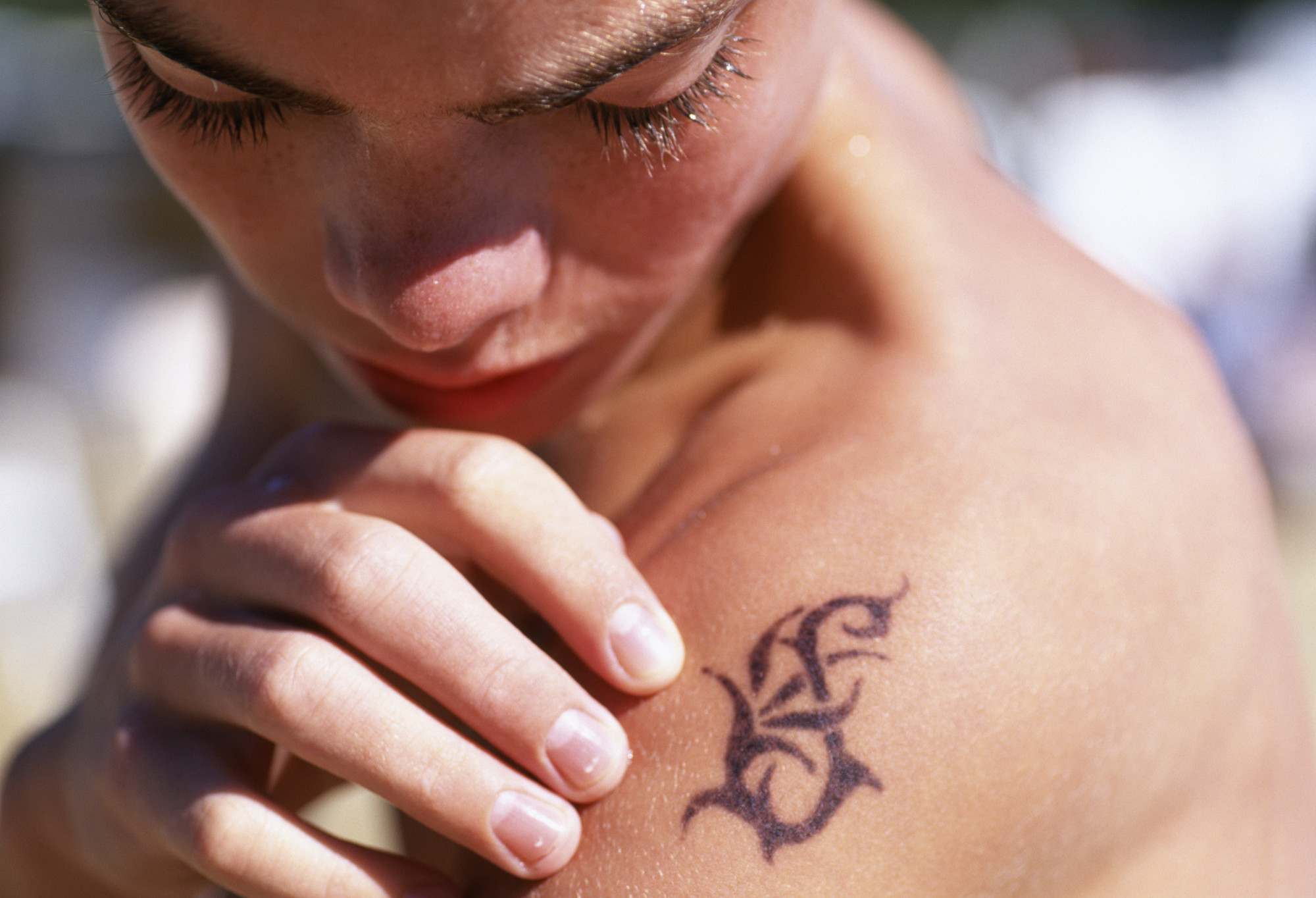
What the skin experiences during the pigment removal process
Tattoo removal works by using a laser to break down the tattoo ink in the skin into tiny fragments, which are then consumed by macrophages, our body's immune cells, causing the tattoo to gradually fade.
The problem lies in the intensity. If the practitioner applies excessive laser energy to enhance the effect, side effects such as scarring may occur.
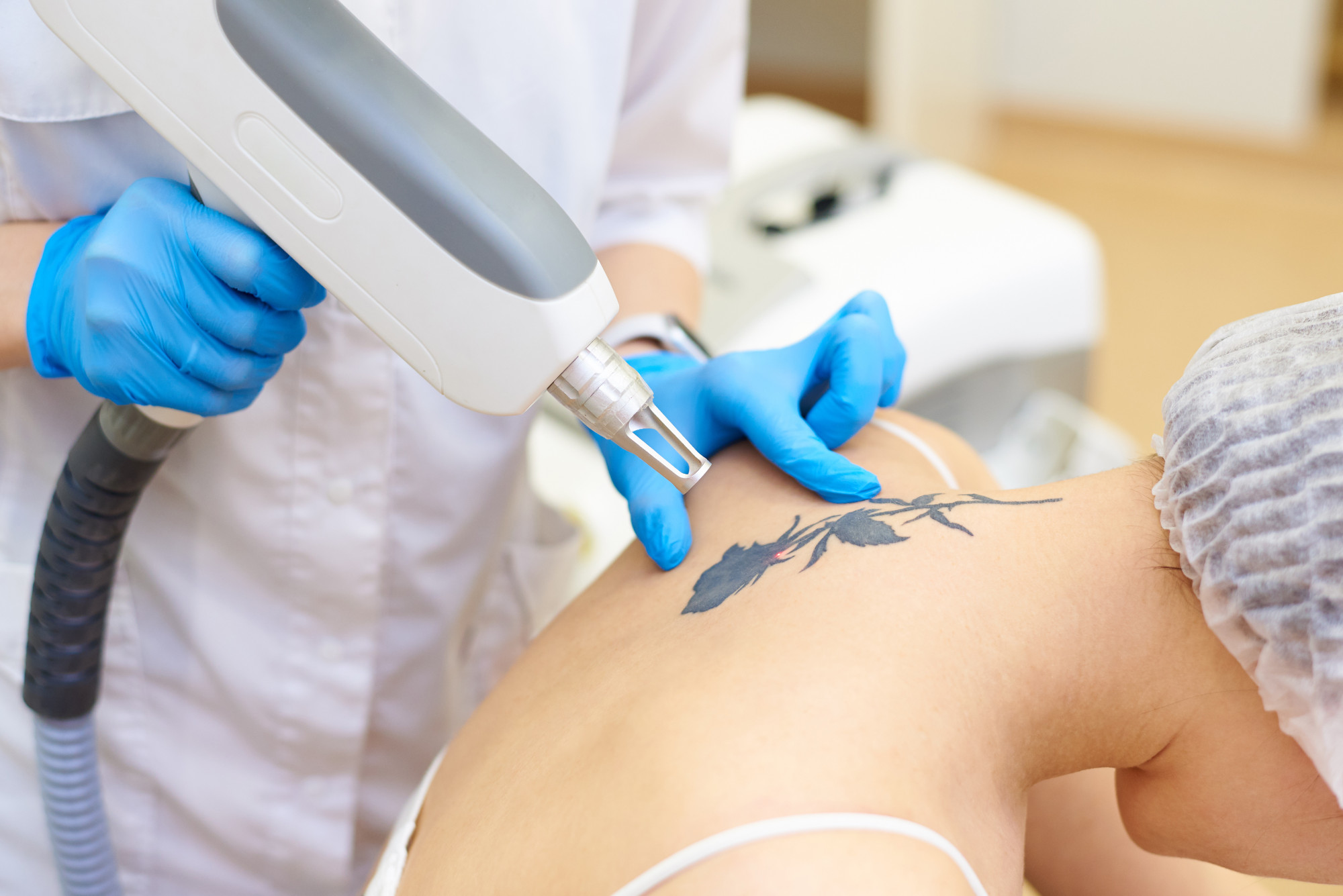
Two ways to reduce scarring during treatment
To lower the possibility of scarring, two things are considered during the treatment phase:
- The practitioner finding the appropriate laser intensity, considering the individual's skin type and the amount of tattoo ink.
- Performing the Pinhole Technique with a CO2 laser to allow blisters to drain quickly.
The longer blisters remain trapped, the greater the burden on the skin. The role of the Pinhole Technique is to create an exit pathway in advance.
Explanations of the Pinhole Technique can be found in Pinhole for Burn & Surgical Scar, and the composition of removal treatments in R-Zero Pico-Frectat Tattoo Removal.
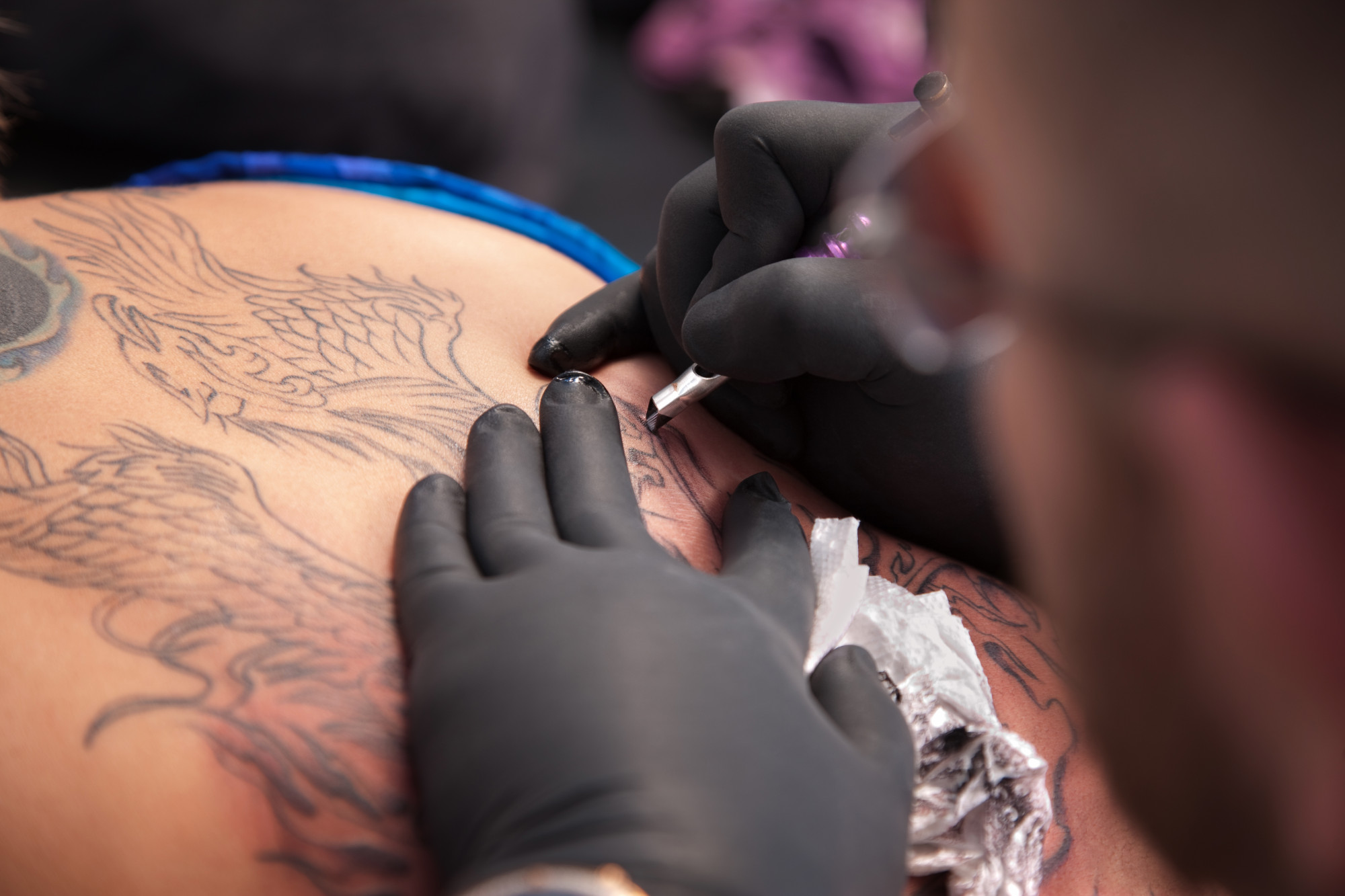
Possible reactions after treatment
After tattoo removal, the skin is stimulated, which can temporarily cause redness, swelling, blistering, or scabbing. These reactions themselves are transient stages in the healing process.
What to do and what to avoid for each symptom
| Situation | Recommended | Note |
|---|---|---|
| Overall after treatment | Apply prescribed regenerative cream 2 to 3 times a day | Use products prescribed by the dermatologist |
| When blisters form | Apply antibiotic ointment | Recommended for use when blisters are present |
| Redness and swelling | Cold compress | Helps with soothing |
| Blisters | Avoid popping them if possible | If large or burst naturally with discharge, dress daily |
| Hydrocolloid bandages | Not recommended | May cause allergic reactions |
These symptoms are temporary and can naturally disappear with proper care. Recovery progress may vary individually.
Ultimately, it comes down to the practitioner's experience
There is no outcome more regrettable than a scar resulting from an attempt to remove a tattoo. To minimize scarring, it is crucial to receive treatment from a dermatologist with extensive experience who can accurately judge the laser intensity.
You can check the overall treatment flow in Tattoo Removal Treatment Guide.
















Authored and Medically Reviewed by Chief Director Dr. Lee Sang-Joo (Dermatologist) Board-Certified Dermatologist · Graduated from Yonsei University College of Medicine · Doctor of Medicine Completed Residency in Dermatology at Severance Hospital · Former Chief of Dermatology at National Police Hospital Currently Adjunct Professor, Department of Dermatology, Yonsei University College of Medicine · President of the Korean Dermatological Association in 2026 View Medical Staff Profile
First Published 2025-03-26 · Last Reviewed 2026-07-29
This article contains general medical information and is not a substitute for individual diagnosis and treatment. Results and recovery progress may vary individually.