

Scars remaining after liposuction occur more frequently than expected. It can be very stressful if an indelible mark is left on the body after undergoing a procedure for a better appearance or to resolve a complex. We often receive questions like, "Will liposuction scars fade on their own over time?" However, if left untreated without appropriate measures, they are reported to become more noticeable and hardened.
Why Do Liposuction Scars Form?
Liposuction is a procedure that removes fat by inserting a cannula (tube) through a small incision. During this process, the skin heals, and red marks, pigmentation, or depressed scars may remain. Especially in individuals with a keloid constitution, the incision site tends to result in prominent scars.
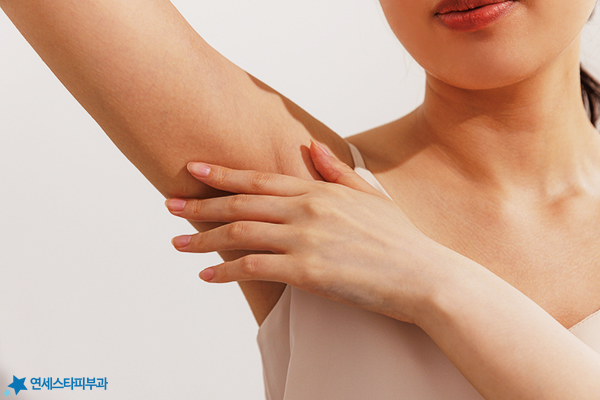
The location where liposuction scars appear, such as the thighs, waist, arms, or armpits, varies from person to person. This is why the treatment method differs depending on the area and skin characteristics, even for what appears to be the same liposuction scar.

While they may fade over time, distinct liposuction scars often show limitations with natural healing alone. Therefore, it is necessary to first identify the type of scar and then select the appropriate scar laser for a full-fledged treatment.
When is the Best Time to Start Scar Laser Treatment?
Treatment can usually begin 4 to 6 weeks after the wound has healed and the scab has fallen off. Scars tend to harden over time, so starting early is reported to lead to greater improvement and higher satisfaction.

In the clinic, many patients who underwent surgery at the same time show different progress depending on when they started treatment. It is not uncommon for patients to delay treatment, thinking, "I'll come when the marks fade a bit more," only to visit after their scars have hardened.
Different Laser Choices for Each Scar Type
The approach to liposuction scars varies depending on their color and shape. Since the choice of equipment depends on the type of scar, distinguishing the type is the first step.
| Scar Type | Main Characteristics | Treatment Approach |
|---|---|---|
| Red Scars | Vascular redness, early scars | Vascular laser to alleviate redness |
| White Scars | Depressed, old, hardened scars | Regenerative laser to improve skin texture |
| Keloid Scars | Raised, firm scars | Consider combining with injection treatment |
Red Scars
If red marks are visible, it is likely an early stage. The approach is to use a laser that acts on blood vessels to reduce redness and even out skin tone. Early treatment at this stage is reported to lead to better outcomes. Even for areas other than the face, the principles of managing red marks and vascular scars apply similarly.
White Scars
For depressed or old liposuction scars, lasers that promote dermal regeneration are used. This helps to deliver energy deep into the skin to smoothly improve depressed or uneven skin texture. The principles for hardened scars remaining after surgery are similar.
Keloid Scars
Individuals with a constitutional tendency to develop keloids may experience scar enlargement after liposuction. The probability of occurrence is also high in areas with frequent movement, such as the back of the armpits or elbows. In such cases, combining laser treatment with Triamcinolone Scar Injection is reported to be more beneficial.
For keloids, a combined approach is recommended: injections to flatten raised areas caused by excessive fibroblast proliferation, and lasers to refine redness and thickened scar texture. Performing both treatments together is reported to help reduce the risk of recurrence.
When Pigmentation is Also Present
In some cases, pigmentation may appear around liposuction scars. In such instances, combining Epidermal Pigment Removal with toning can help reduce the dull marks. Scars that exhibit a complex mix of the characteristics described above will require more treatment time and present greater difficulty. As they are difficult to erase naturally, the goal is gradual improvement through consistent treatment, even if it takes time.
If you have any questions, inquire via chat consultation if you are curious about the treatment suitable for your scar type

Frequently Asked Questions
We have compiled the most common questions patients ask before liposuction scar treatment.
- Can they be completely removed? Complete removal is difficult. However, laser treatment is reported to improve them to be less noticeable and result in smoother skin.
- How many sessions are needed? It varies depending on the depth and color of the scar, but usually, multiple treatments are required. There can be individual differences.
- Can scar ointment alone improve them? It can help with early red scars, but single management plays a largely supplementary role.
- What about hardened scars? Ointment alone has limitations, so combining it with laser treatment is recommended.

Even with the Same Surgery, Scars Differ from Person to Person
Even after undergoing the same liposuction surgery, the shape and condition of scars naturally vary depending on the location, skin type, and individual skin characteristics. The commonly performed liposuction method involves inserting a tube and repeatedly moving it, which stimulates the skin, potentially leading to deeper and more prominent scars.

Checklist for Satisfactory Scar Treatment
Here are items to check when planning a treatment tailored to you.
- Have you first distinguished the scar type (red scar, white scar, keloid)?
- Have you selected equipment appropriate for the area and skin characteristics?
- Have you thoroughly discussed the number of treatments and intervals?
- Have you checked for complex manifestations such as pigmentation or cosmetic surgery scars?
- Have you considered that starting early leads to a more favorable outcome?
Scar treatment begins with selecting the right equipment for you, followed by planning the number, interval, and method of treatment. We hope the information provided here helps you navigate the safe management of liposuction scars.
💬 Inquire via chat consultation now
Sang-Joo Lee, Chief Director (MD, Ph.D. from Yonsei University College of Medicine and Graduate School, completed dermatology residency at Severance Hospital, President of the Korean Dermatological Association) Dr. Lee Sang-Joo's Profile First published 2025-09-16 / Last reviewed 2026-06-16
This content is for general information purposes only, and treatment results may vary individually. Accurate diagnosis and treatment plans should be determined through consultation with medical staff.