

If a mark on your chin doesn't subside over time but instead becomes firm and raised, you should consider the possibility that it's a keloid scar, not just a simple acne mark. The first question people ask when they visit the clinic is, "Is this an acne mark or a scar?" The two clearly differ in appearance and progression.
Hello. This is Yonsei Star Dermatology Sinchon. Today, we will systematically explain how to distinguish keloid scars that form on the chin and why combination treatment is recommended instead of just one method.
Why do marks on the chin become scars?
When acne appears on the face, many people instinctively touch it, even though they know they shouldn't. Repeated squeezing or irritation puts a significant burden on the skin, and if you have a predisposition to scarring, this irritation can lead to keloid scars.
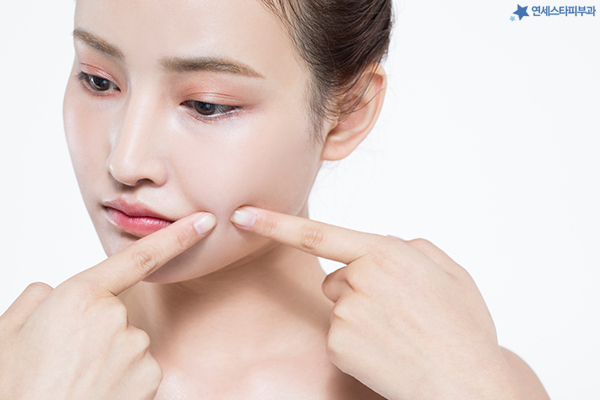
Scars can also form on the chin not only from acne but also from external stimuli like trauma or shaving, during the healing process of such wounds. The chin is a frequently shaved or rubbed area, so it's good to pay extra attention.
How to distinguish between acne marks and keloids
The most frequently asked question is how to differentiate between typical wound marks and keloid scars. The two change in different ways.

Marks caused by wounds or acne usually do not grow larger than the original wound size and often appear as depressed forms. In contrast, keloids tend to feel swollen beyond the wound's borders, appearing firm and raised, making them more noticeable.
You can also find clues by touch. Below are common distinguishing points we explain in the clinic.
| Category | Acne/Wound Marks | Keloid Scars |
|---|---|---|
| Size Change | Rarely grows larger than the wound | Gradually swells beyond the borders |
| Shape | Often depressed | Firm and raised |
| Texture | Relatively flat | Very firm |
| Pain/Itching | Generally minimal | May be accompanied by itching/pain during active phase |
Keloids that have already progressed to some extent often feel very firm when touched but may not cause significant pain. Conversely, if they are in an active phase where they continue to grow, itching or pain may be accompanied by inflammation.
Rather than concluding with self-diagnosis, it is important to get an accurate diagnosis and determine the appropriate treatment plan.
Even if the conditions appear similar, the approach changes depending on the stage of progression, so it is safer not to make a self-diagnosis. If you have similar concerns, you may also want to review information on Characteristics and Management of Keloid Scars.
Is it just a matter of constitution?
It is now widely known that constitution is a major factor contributing to this problem. Therefore, many people who believed "I don't have that constitution" start treatment belatedly.
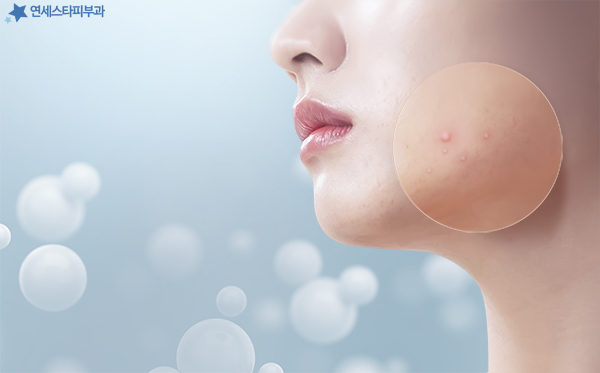
Even if you don't have congenital factors from the beginning, changes in hormones can occur over time due to lifestyle patterns or major accidents. This can also lead to the possibility of keloid scars, so if a condition doesn't heal for a long time despite careful attention, it may be necessary to examine the cause more closely.
If you have any questions, contact us via chat for inquiries about chin scar conditions.
Why not end with just one treatment?
Chin keloids are reported as one of the intractable scars with a high recurrence rate. Therefore, individuals with this problem need a process of careful monitoring and management along with treatment.

Injection therapy is well-known as a method to alleviate raised shapes. However, rather than ending with just one method, a combined approach using Triamcinolone Scar Injection and RePott Laser is recommended to help reduce the likelihood of recurrence.

Combination treatment is recommended because the process of reducing swollen tissue and the process of refining scar tissue play different roles. The specific combination and order of methods will vary depending on the stage of progression and the nature of the scar.

What to pay attention to in daily care
Daily management is as important as treatment in influencing the outcome. Here are some points that people with chin scars should pay attention to:
- Do not squeeze or repeatedly touch acne or pimples with your hands.
- Reduce irritation when shaving and avoid shaving the same area multiple times.
- If a new wound doesn't heal for a long time, don't neglect it; have it checked.
- Observe the progress by recording changes in scar size, firmness, and itching.
- Do not rely solely on self-diagnosis; accurately confirm the stage of progression.
Consistently following these habits can help reduce situations where scars grow larger or become irritated. If you have similar concerns, you can also refer to information on Recovery Process of Cosmetic Surgery Scars.
If you need a check-up on your condition, contact us via chat for inquiries about keloid treatment direction. You can start by comfortably checking your current condition and setting a direction.
Conclusion
Whether a mark on the chin is a simple scar or a keloid can be somewhat determined by changes in size, firmness, and the presence of pain. However, since keloids have a high recurrence rate, it is good to remember that management combining injections and lasers, based on an accurate diagnosis, can be helpful. We will return with more information to help maintain clear skin.

Representative Director Lee Sang-joo (MD, PhD, Yonsei University College of Medicine and Graduate School, completed dermatology residency at Severance Hospital, President of the Korean Dermatological Association) Representative Director Lee Sang-joo's Profile First published 2025-02-27 / Last reviewed 2026-06-16 Since the progression of scars and treatment response vary from person to person, please confirm the accurate diagnosis and treatment plan through consultation with medical staff.