


Recently, news reports that getting tattoos may increase the risk of lymphoma, a type of blood cancer, have garnered significant attention from those with tattoos.
This is based on a study by a research team at Lund University in Sweden, which investigated the association in approximately 12,000 individuals aged between 20 and 60. Today, we will examine the relationship between tattoos and lymphoma, and what effects tattoos can have on the skin.
The Lymphatic System and Lymphoma
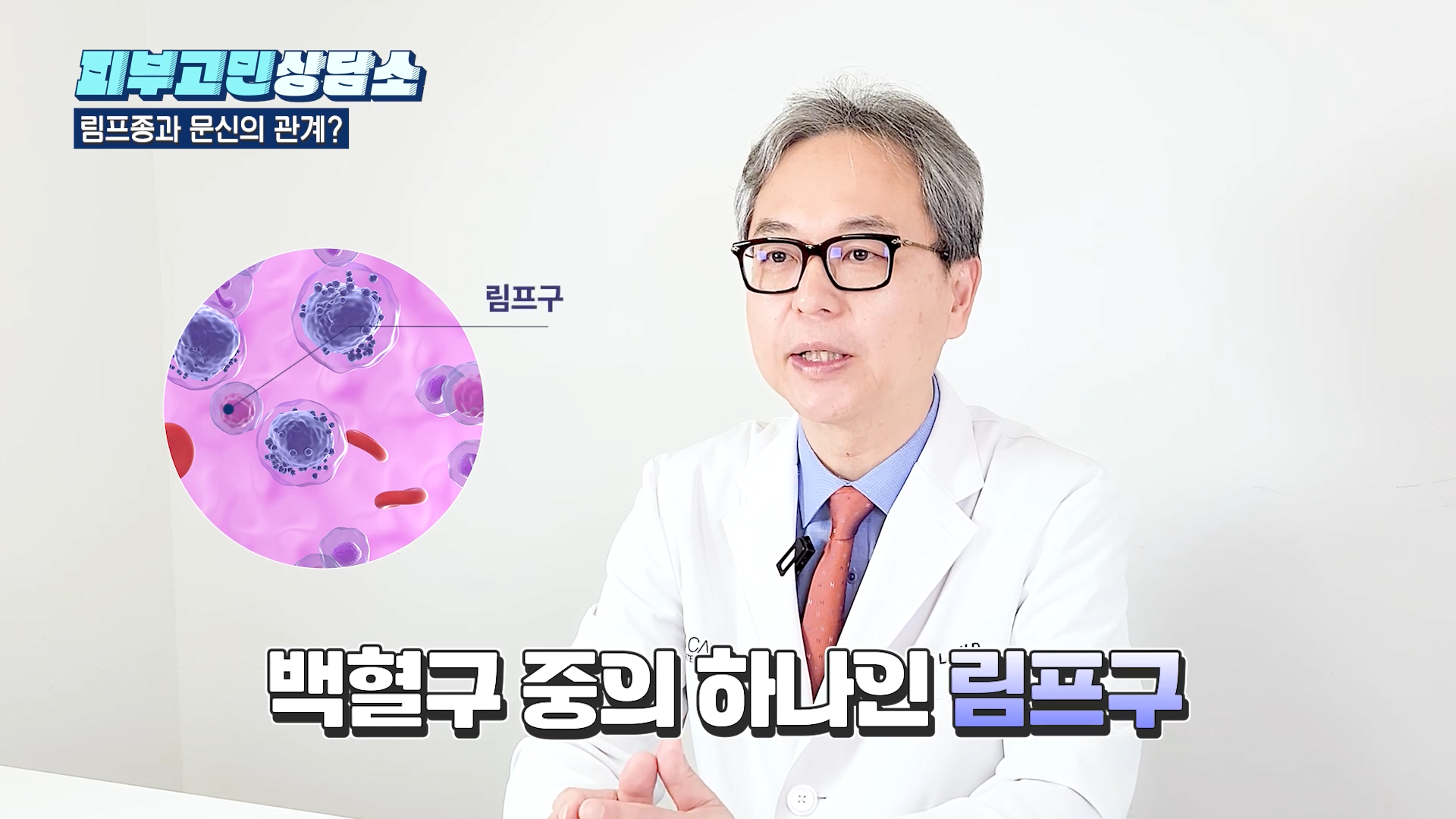
The lymphatic system is an immune organ that prevents the invasion of various viruses and bacteria, also known as lymph nodes.
Lymphocytes, a type of white blood cell, play a primary role here. Lymphoma is formed when these lymphocytes become malignant and is classified as a type of blood cancer.

When Ink is Recognized as a Foreign Substance
When tattoo ink is injected externally, our body recognizes it as a foreign substance, like bacteria or viruses. This activates the immune system.
Most of this ink travels through or accumulates in the lymph.
This is why tattoos and lymphoma are discussed together. Recent research reports that the incidence of lymphoma is higher in individuals with tattoos.
Tattoo Size Was Not a Major Variable
According to research results from 2024, there was no significant correlation between tattoo size and the likelihood of developing lymphoma.
In the past, it was assumed that larger tattoos would naturally affect the risk of developing the disease. However, regardless of how widely the tattoo was applied to the surface, it is speculated that tattoos caused inflammation in the body, which eventually led to lymphoma.
In other words, it's not that a larger area causes more cases, but whether or not one has a tattoo plays a greater role.

How to Interpret the Research Results
Of course, not everyone who gets a tattoo will develop lymphoma.
However, what this study emphasized is the chemical components of the ink used in tattoos. We recommend considering the association between these and cancer as well.
While you can get a tattoo to express your individuality, it's advisable to think carefully one more time before doing so.


Other Effects on the Skin
Beyond the discussion of lymphoma, tattoos can have various other effects on the skin.
| Item | Potential Effects on the Skin |
|---|---|
| Allergies | Allergic reactions to pigments may occur |
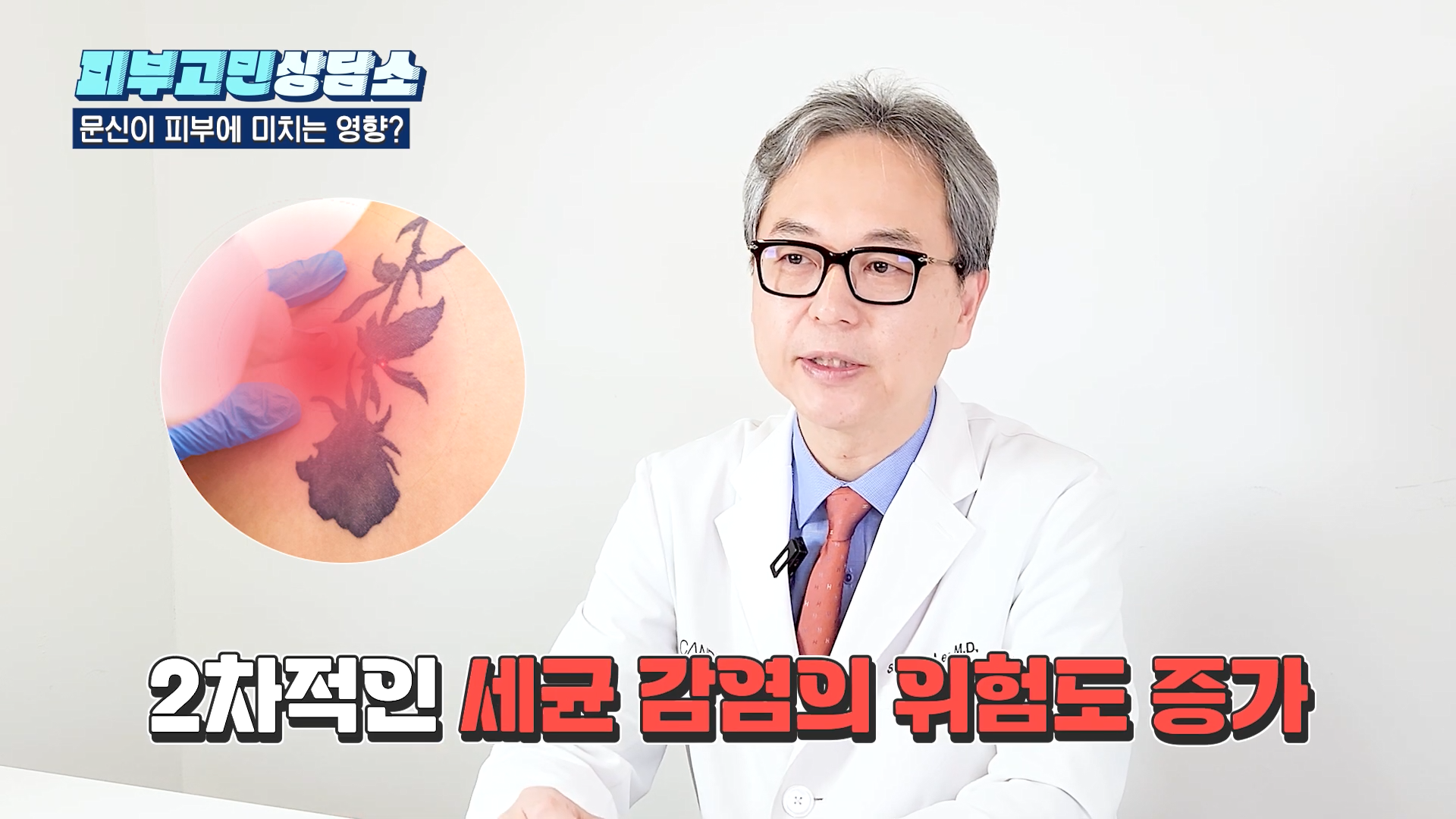
| Infection | Increased risk of secondary bacterial infection |
| Scars | Since the skin is wounded, it often leads to scarring |
| Skin Texture | If a large area is tattooed, the texture may feel different from the surrounding skin |
Scar management is separately detailed in the Pinhole for Burn & Surgical Scar treatment guide.
Removal is Not Always Simple
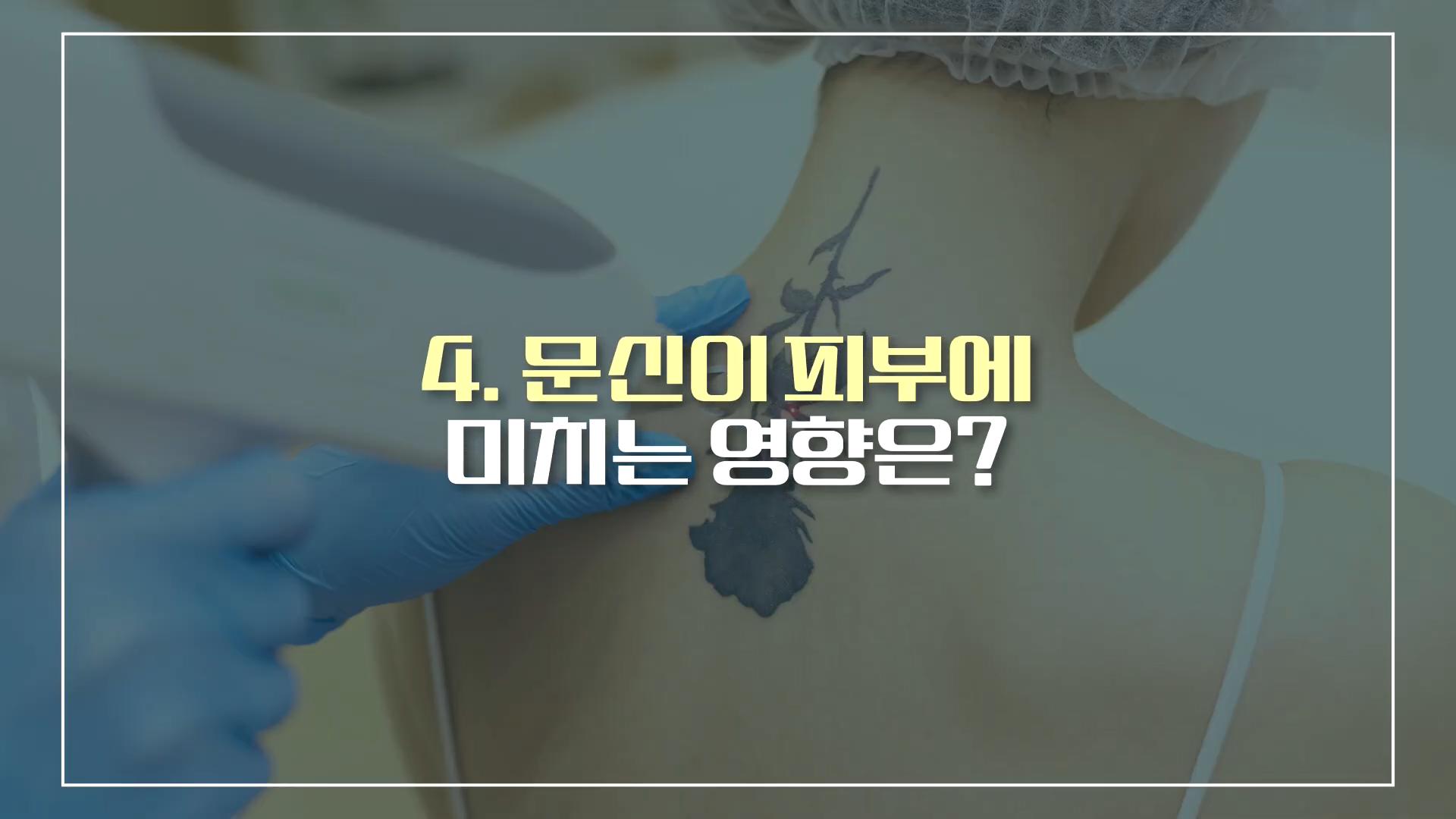
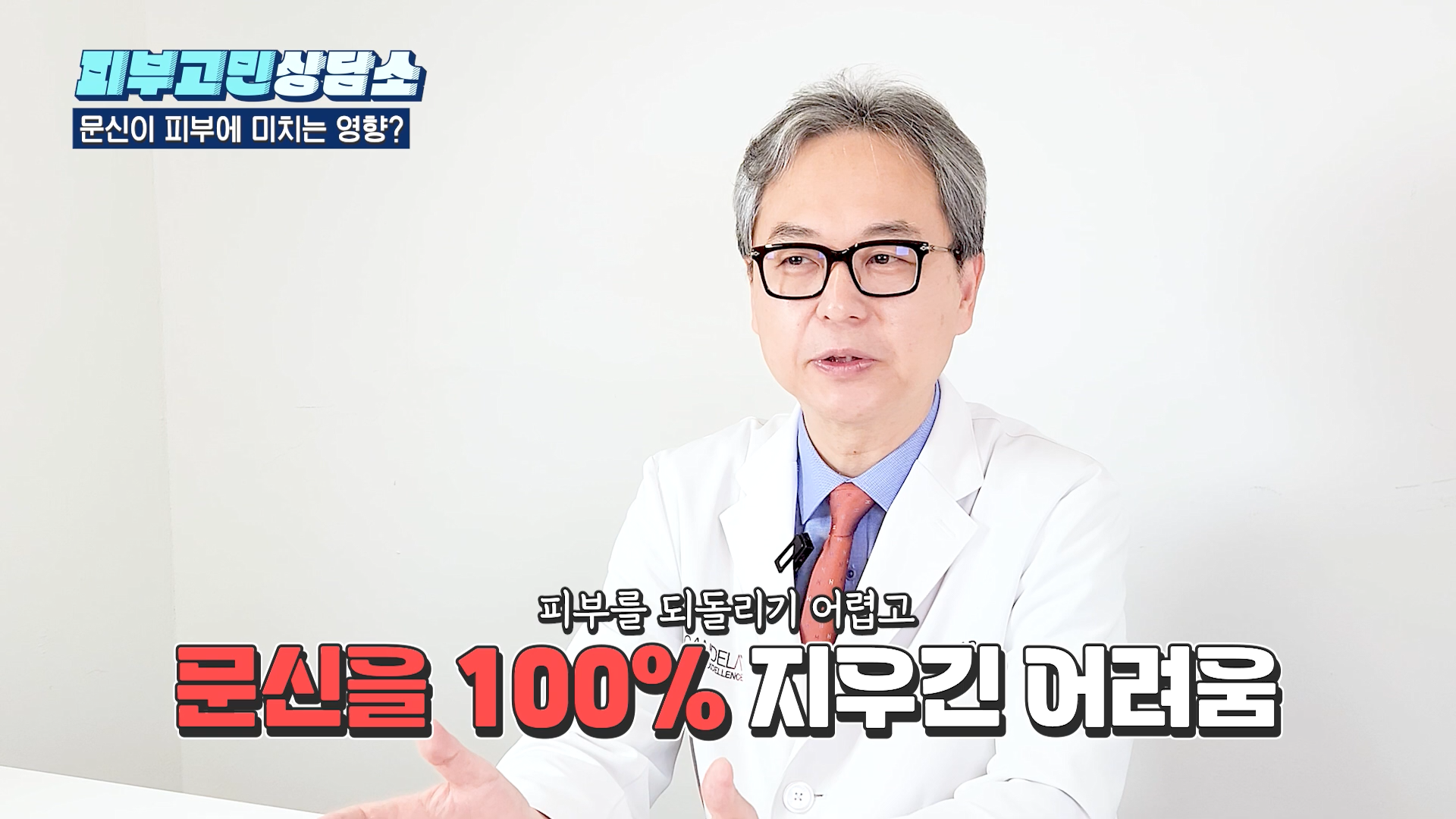
Once a tattoo is etched, it is difficult to reverse. We cannot promise that all tattoos will be completely erased.
- Many people have their tattoos removed cleanly
- In other cases, it may not be so
Therefore, if you are considering removal, it is best to check your condition first. The procedures can be found in the R-Zero Pico-Frectat Tattoo Removal guide and the Nd:YAG Tattoo Removal guide.
Think Twice Before Getting a Tattoo
Getting a tattoo creates a wound on the skin, which often leads to scarring. Those with large tattoos may notice that the texture is slightly different from the surrounding skin.
It is advisable to consider the risks one more time before getting a tattoo. If you are concerned about an existing tattoo, please refer to the Tattoo Removal Treatment guide or feel free to contact us via chat with any questions.

Authored and Medically Reviewed by Dr. Lee Sang-Joo, Chief Director (Dermatologist) Graduated from Yonsei University College of Medicine · Currently an Adjunct Professor at Yonsei University Department of Dermatology Former Chief of Dermatology at National Police Hospital · Author of "Acne Bible," "Medical Skincare" View Medical Staff Profile
First Published 2024-07-09 · Last Reviewed 2026-07-29
This article contains general medical information and is not a substitute for individual diagnosis and treatment. Results and recovery progress may vary from person to person.