
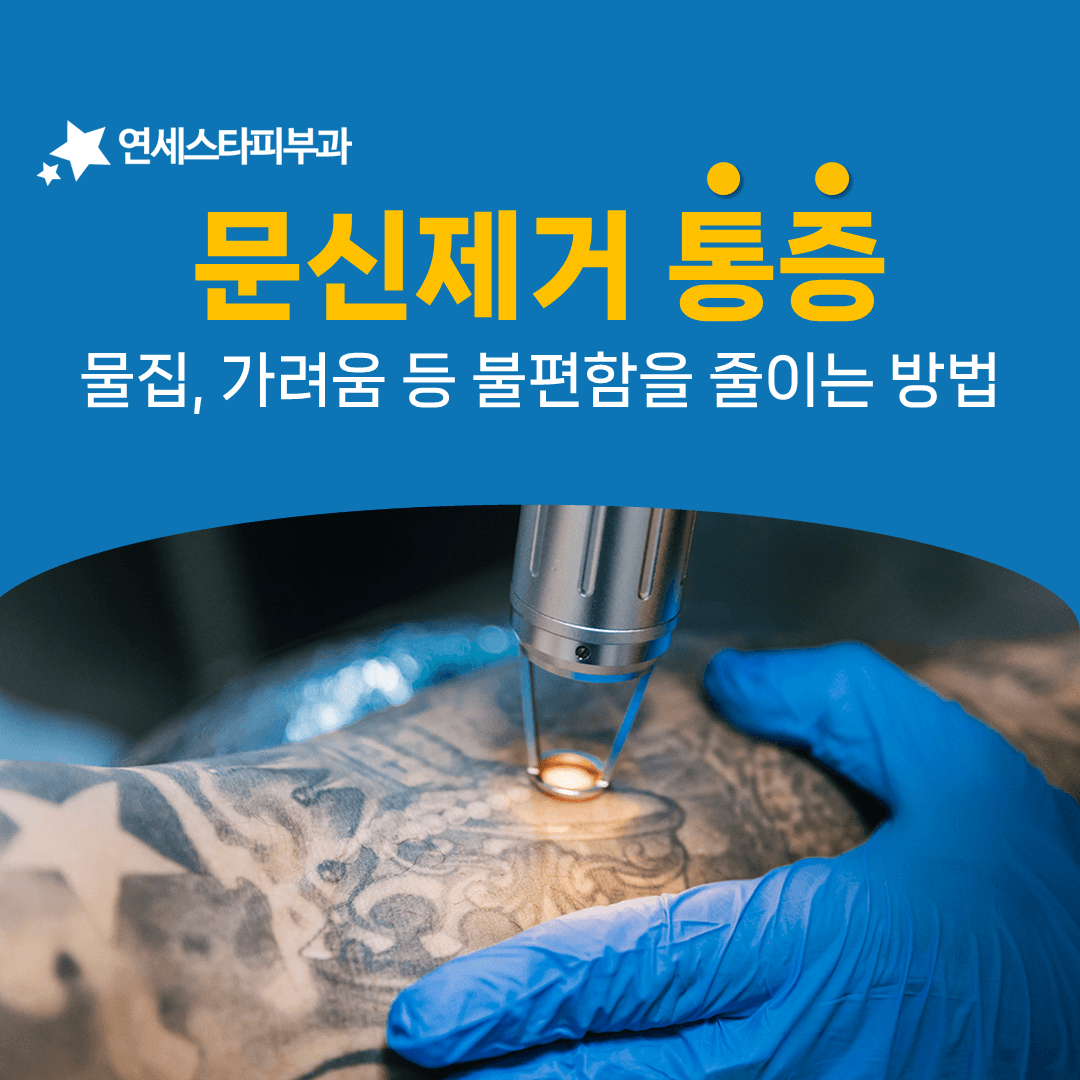
We receive many inquiries from people who have experienced symptoms such as inflammation, blisters, pain, and itching after laser tattoo removal. This can be understood as part of the natural inflammatory response that may occur as the laser breaks down pigment in the skin.
What Happens in the Skin as Pigment Exits
Tattoo removal lasers work by finely breaking down pigment particles in the skin to help them be naturally expelled from the body. This process can be accompanied by temporary thermal stimulation and immune responses, which may result in several symptoms.
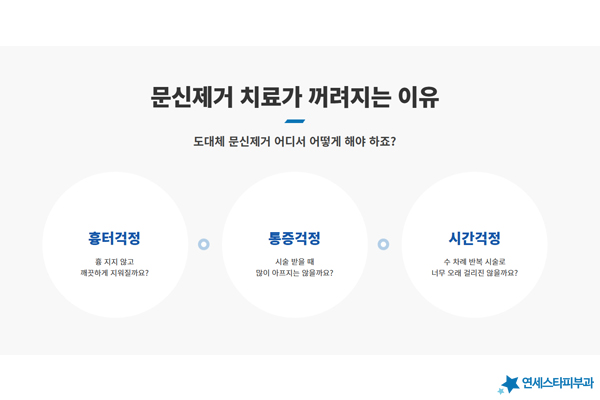
Three Commonly Reported Reactions After Treatment
| Symptom | Reason for Occurrence | Points to Note |
|---|---|---|
| Swelling and Pain | The skin may swell or feel hot immediately after laser irradiation | This is mostly a temporary reaction that often subsides within a few days |
| Blisters | If strong energy is concentrated on the skin surface, blisters may form between the epidermis and dermis | If the tattoo color is dark or deep, the energy intensity may be higher, relatively increasing the likelihood of blisters |
| Itching | May accompany skin regeneration during the recovery process | Excessive scratching or irritation may lead to pigmentation or scarring |
The degree and duration of symptoms may vary from person to person.
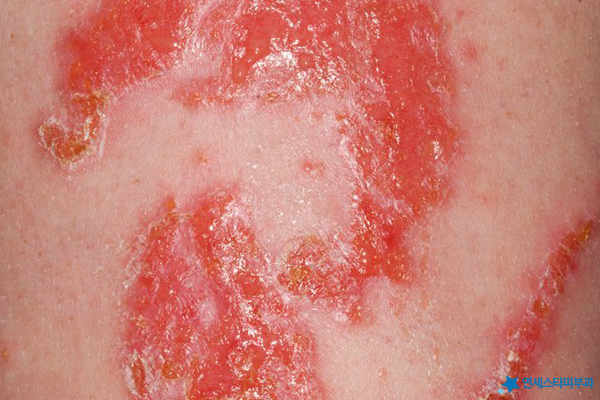
A Method of Dividing Stimulation Instead of Giving It All at Once
To reduce skin irritation, the Pinhole Technique may be used in conjunction. The Pinhole Technique involves dispersing laser energy at microscopic intervals across the skin surface, rather than irradiating the entire surface with strong energy, thereby distributing the burden on the skin.
- Helps reduce epidermal damage
- Used to lower the probability of blister formation
- Used to reduce the burden of recovery time
However, whether it can be applied may vary depending on the skin condition and tattoo depth, so the judgment of the medical staff is important. The method is summarized in the Pinhole for Burn & Surgical Scar guide.
What Increases with Increased Intensity
If the laser intensity is excessively increased, the pigment response may be faster, but skin irritation and the likelihood of inflammation may also increase.
Tattoo removal rarely ends with a single treatment, and appropriate interval setting considering skin recovery is important.
If repeated treatments are performed before the skin has fully recovered, the likelihood of persistent inflammation, pigmentation, and scarring may increase. This is why a phased removal plan that considers skin condition is desirable.
You can check how energy control and repeated irradiation are handled in the R-Zero Pico-Frectat Tattoo Removal guide.

Inflammation is Common but Controllable
Inflammation after laser tattoo removal can be a surprisingly common reaction. However, it can be managed to reduce skin irritation depending on laser intensity control, appropriate treatment intervals, and whether the Pinhole Technique is utilized.
Depending on Color, Depth, and Skin Type
The necessary approach may vary depending on the tattoo's color, depth, location, and skin type. Therefore, the medical staff's competence, experience, and meticulous planning play a crucial role.
You can see the overall treatment flow in the Tattoo Removal Treatment Guide, and if you are concerned about the symptoms you are experiencing, please inquire via chat now.

Authored and Medically Reviewed by Representative Director Kang Jin-moon (Dermatologist) Former Resident in Dermatology at Severance Hospital · Former Professor at Bundang CHA Hospital Member of the Korean Dermatological Association · Korean Society for Laser Medicine and Surgery View Medical Staff Profile
First Published 2026-02-20 · Last Reviewed 2026-07-29
This article contains general medical information and does not substitute for individual diagnosis and treatment. Results and recovery progress may vary from person to person.