


When a laser is applied to a tattoo, the tattoo pigment in the skin bursts. In this process, the skin is stimulated.
In severe cases, the skin can be damaged, leading to blisters after the procedure, and sometimes even scars.
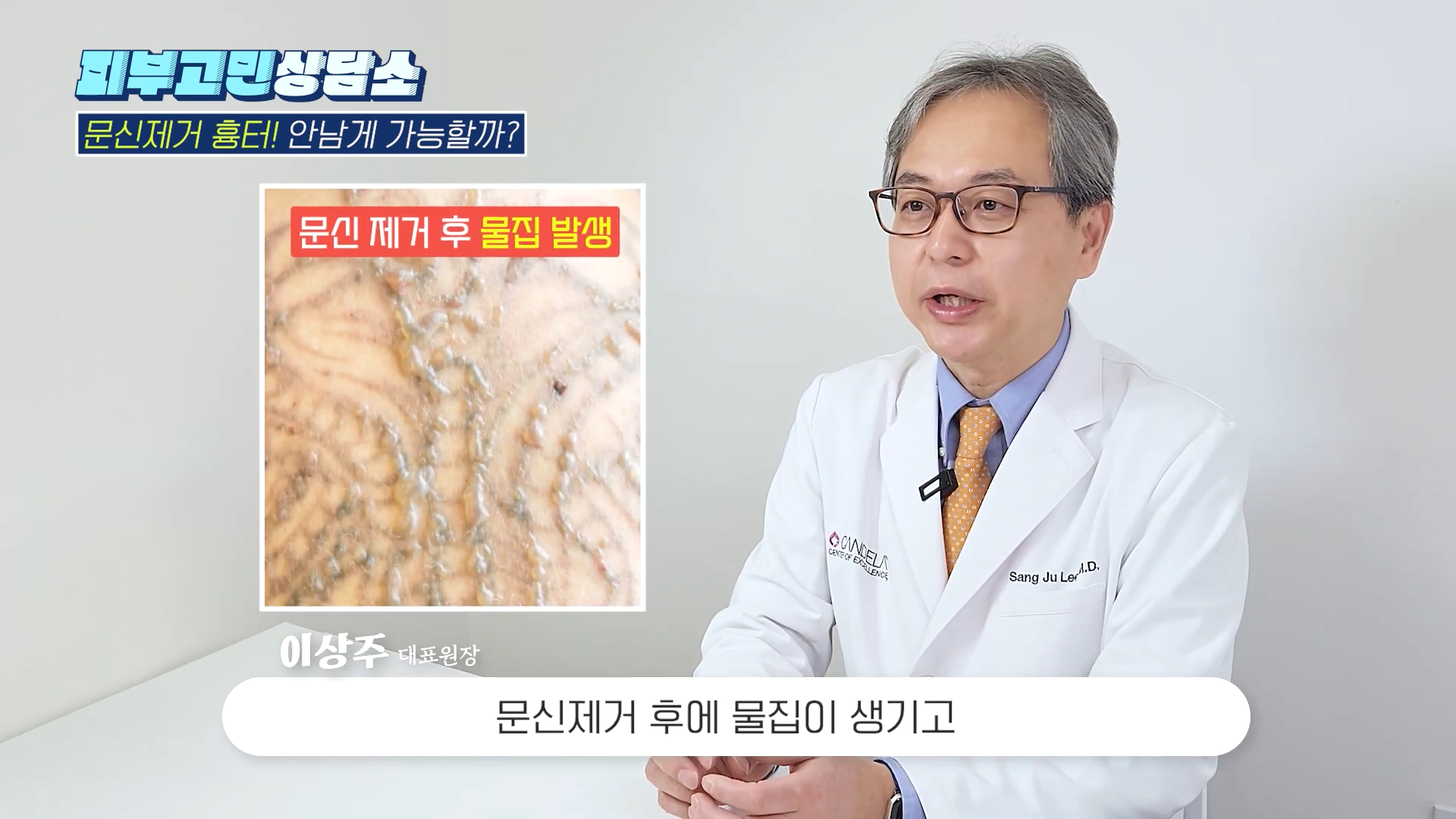
The higher the output, the higher the chance of scarring
Sometimes, the laser power is excessively increased to enhance the treatment effect. This intensifies the tattoo pigment's reaction, and simultaneously increases the likelihood of scarring.
It's like trying to remove one problem only to create another.
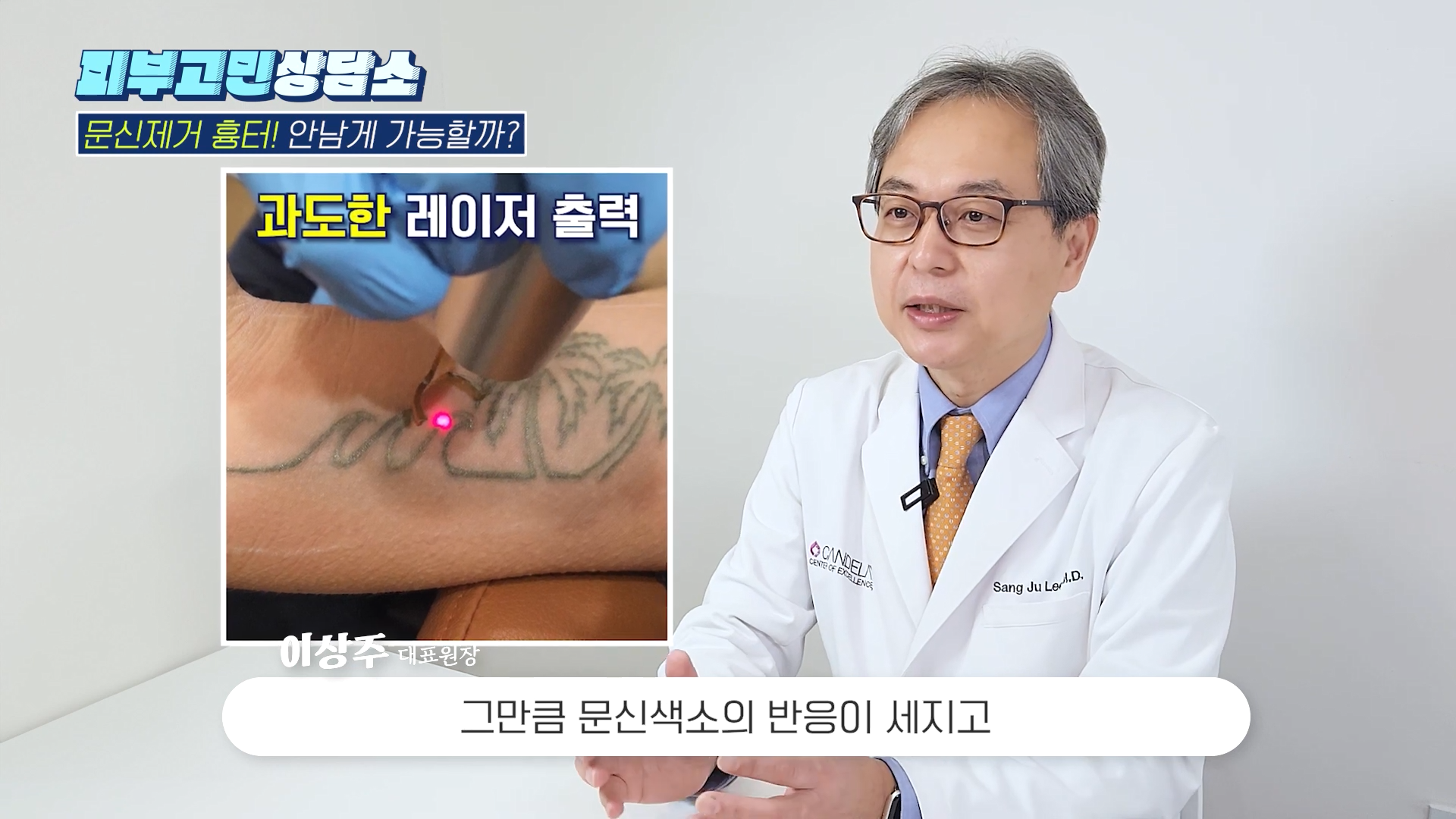
The standard of appropriate energy
The laser should be applied with an energy level that is neither too strong nor too weak, tailored to each individual's skin condition. This way, the tattoo can be removed with less scarring.
| Application Intensity | Pigment Reaction | Impact on Skin |
|---|---|---|
| Excessively Strong | Overly strong reaction | Increased risk of blisters and scars |
| Excessively Weak | Insufficient pigment breakdown | Difficult to perceive changes |
| Tailored to Skin Condition | Reacts as needed | Aims to reduce scar burden |
Up to this point, these are general methods to minimize scarring. The overall flow of the procedure can be found in Tattoo Removal Treatment Guide.

Limitations created by the bubble layer
When a laser is applied, the pigment in the skin bursts and breaks into tiny fragments, creating white bubbles in the process. These bubbles block the laser's penetration.
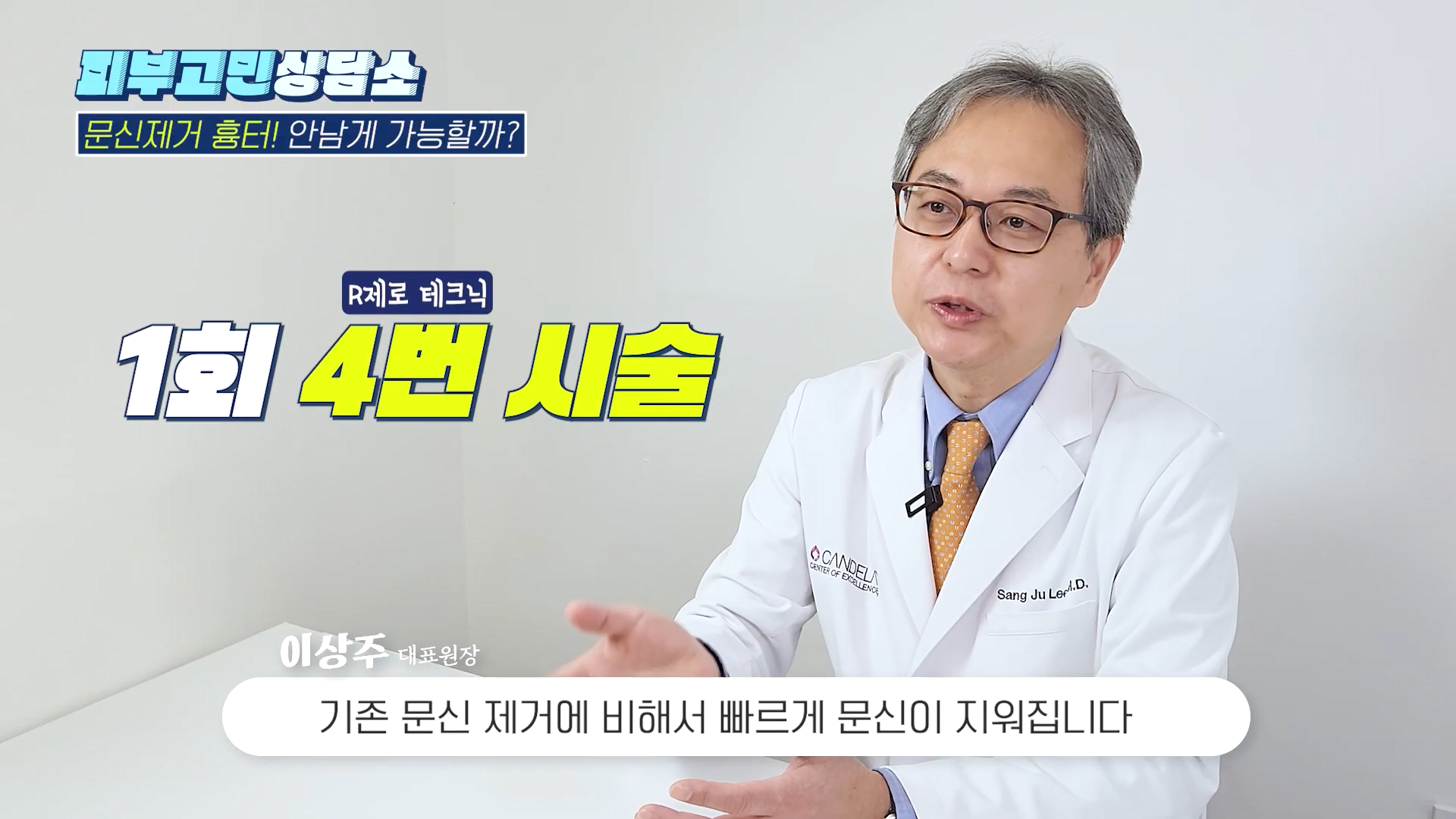
Therefore, with conventional methods, laser application was only possible once per session.
R-Zero for removing bubbles
Our clinic's method, R-Zero Pinhole Technique, removes bubbles with a specialized medication.
By clearing the bubbles, it's possible to perform up to four repeated treatments in a single session.
This approach aims to accelerate the treatment process compared to conventional methods. The equipment and medication composition are detailed in the R-Zero Pico-Frectat Tattoo Removal Guide.
Applying scar treatment to tattoo removal
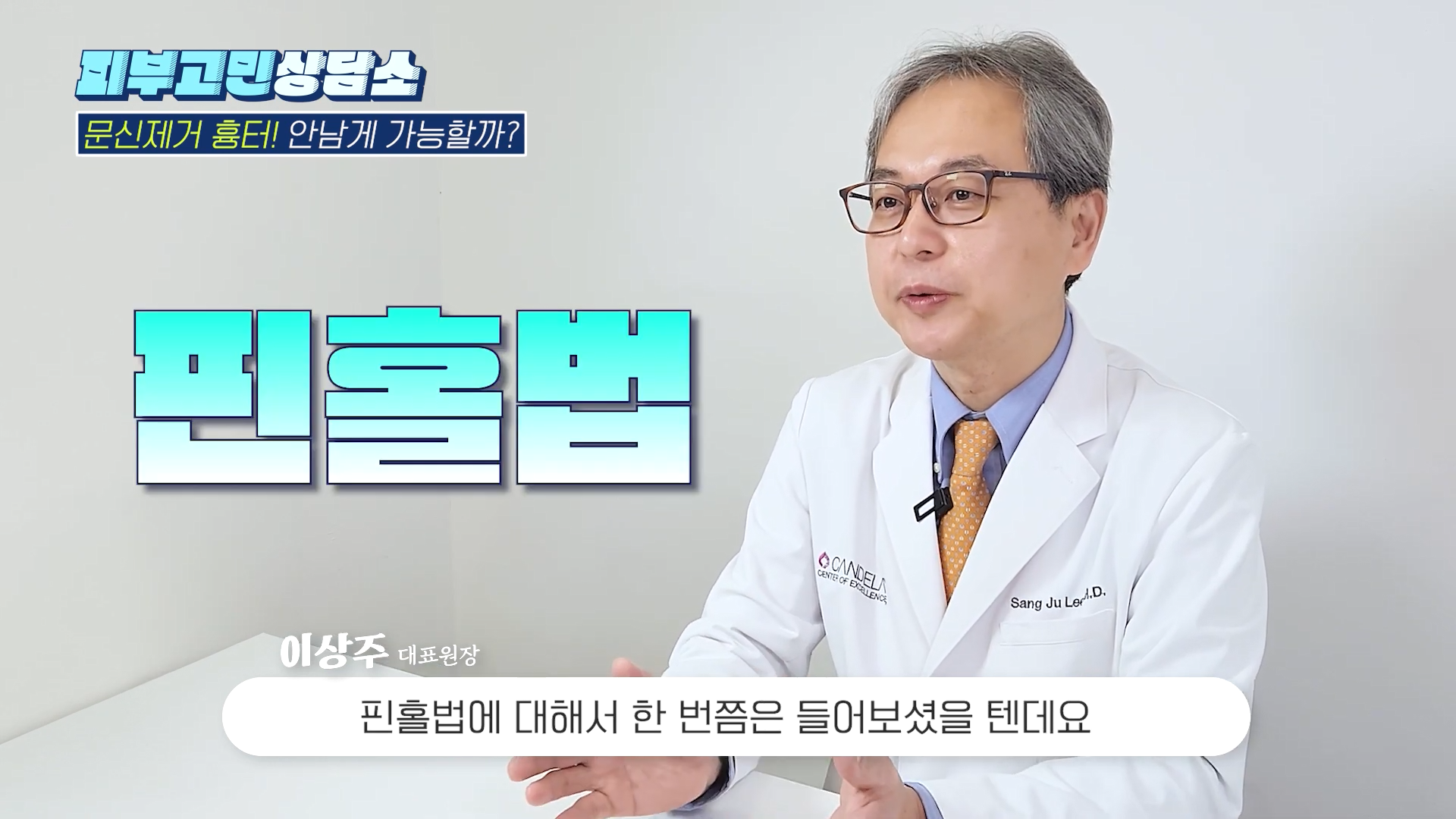
If you've been interested in scar treatment, you might have heard of the Pinhole Technique. It's a method that treats scars by creating precise, microscopic holes deep within the skin.
When this method is used in conjunction with tattoo treatment, the following process unfolds:
- Tattoo pigment can exit more easily through the microscopic channels.
- The time blisters remain is reduced, which helps lower the likelihood of scarring.
The detailed principles can be found in the Pinhole for Burn & Surgical Scar Treatment Guide.
In summary
The path to faster tattoo removal is not about increasing power. It lies in applying energy appropriate for the skin condition, clearing bubbles to allow for repeated applications, and finally creating channels for pigment and blisters to exit.
Recovery progress and the number of sessions required may vary individually. If you're curious about which category your tattoo falls into, please inquire via chat now.

Authored and Medically Reviewed by Chief Director Lee Sang-joo (Dermatologist) Severance Hospital Dermatology Resident · Yonsei University College of Medicine Graduate School, Doctor of Medicine Former Professor of Dermatology at Yeongdong Severance Hospital · Current Adjunct Professor, Department of Dermatology, Yonsei University College of Medicine View Medical Staff Profile
First Published 2024-10-16 · Last Reviewed 2026-07-29
This article contains general medical information and is not a substitute for individual diagnosis and treatment. Results and recovery progress may vary individually.