


The method of removing semi-permanent makeup is different now than in the past. If you understand why and how the methods have changed, the answer to where you should receive treatment will also become clear.
The Skin-Shaving Method
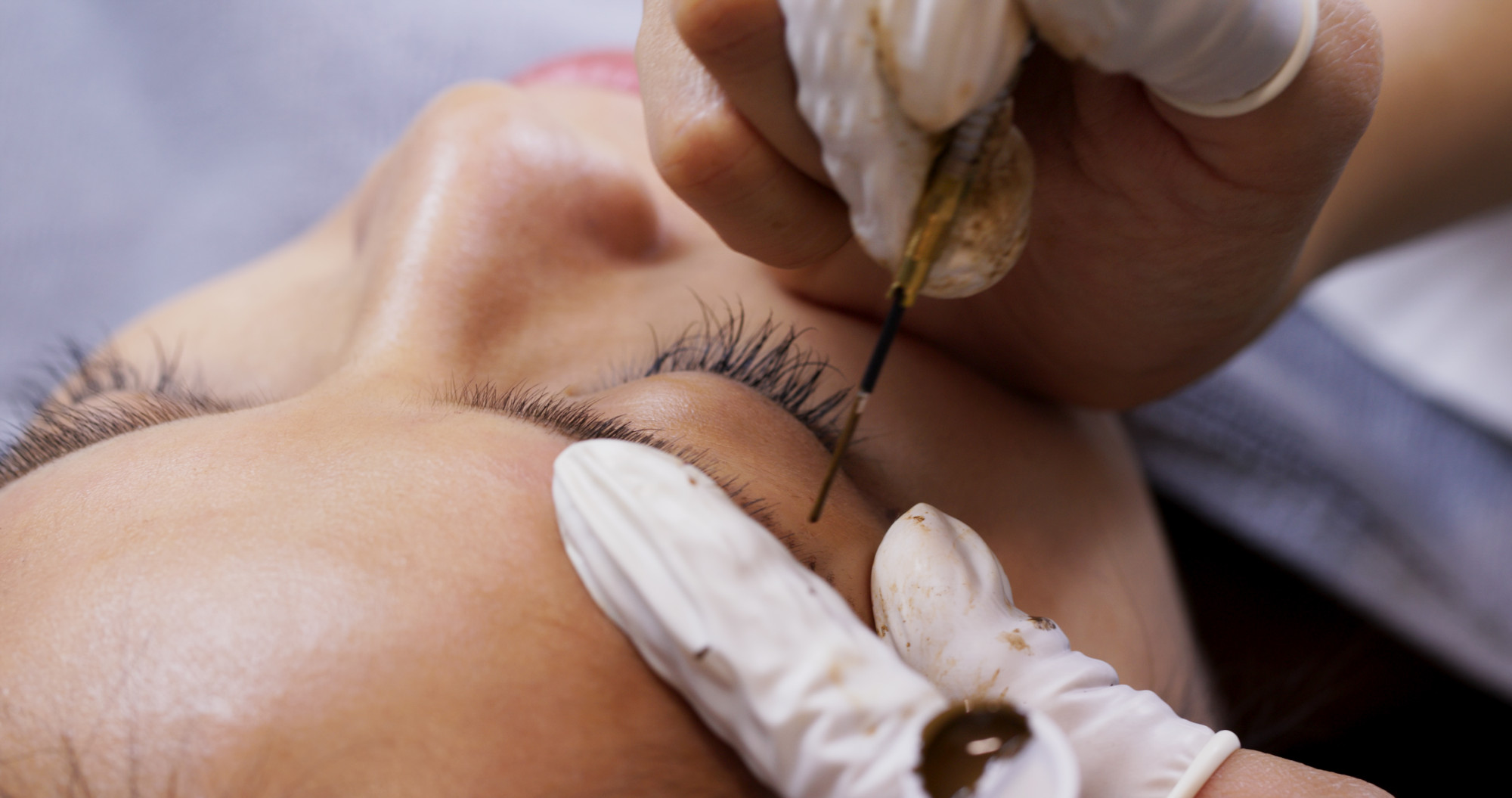
In the past, to remove ink from the dermis of semi-permanent tattoos, methods involving chemicals to shave off the skin were used.
This method can cause scarring. However, it is known that some shops still use this method for semi-permanent removal.
Why it's Only Possible at Medical Institutions
There's a point to address here. If it's not done at a dermatology clinic, both applying and removing semi-permanent makeup are illegal.
To satisfactorily remove semi-permanent makeup while minimizing scars, lasers must be used, and currently, only medical professionals can use these semi-permanent removal lasers.

From Q-switched Nd:YAG to Picosecond Lasers
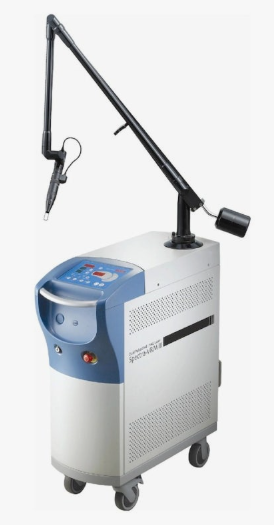
In the past, Q-switched Nd:YAG lasers were widely used for semi-permanent removal. Recently, there has been a shift towards using picosecond lasers.
| Category | Past Method | Recent Method |
|---|---|---|
| Initial | Shaving off skin with chemicals | Not used |
| Laser Generation | Q-switched Nd:YAG | Picosecond laser |
| Approach | Removing tissue together | Selectively breaking down pigment |
Explanations of the Nd:YAG method are summarized in Nd:YAG Tattoo Removal.
The Ability to Select Wavelengths
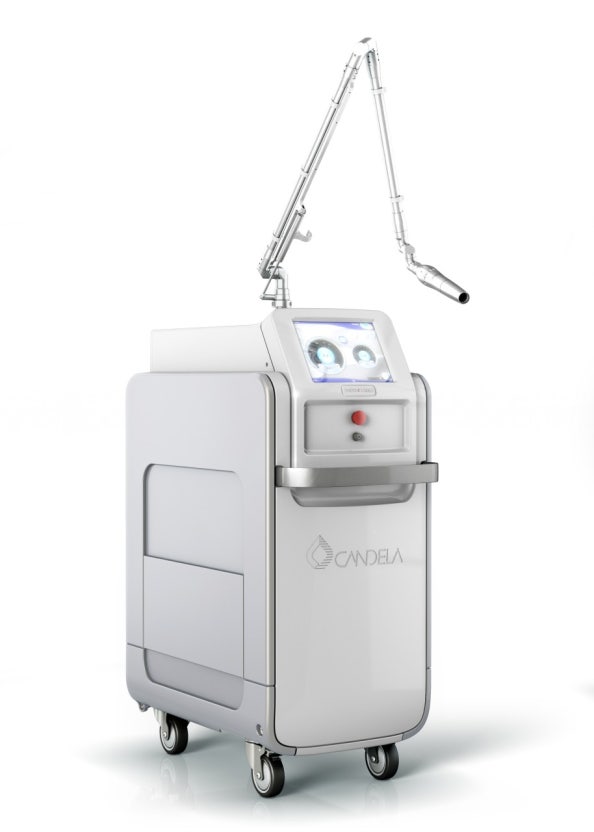
Among picosecond lasers that can be expected to deliver tattoo removal results, PicoWay Laser is well-known. It has 4 wavelengths, allowing for the selection of a beam appropriate for the tattoo color.
The importance of being able to use wavelengths specific to colors is summarized as follows:
- Different semi-permanent pigments react to different wavelengths.
- Multiple wavelength options allow for combinations tailored to the color composition.
- It can reduce situations where incorrect wavelengths are repeatedly used.
Equipment configurations can be seen in the R-Zero Pico-Frectat Tattoo Removal guide.
Before Deciding Where to Receive Treatment
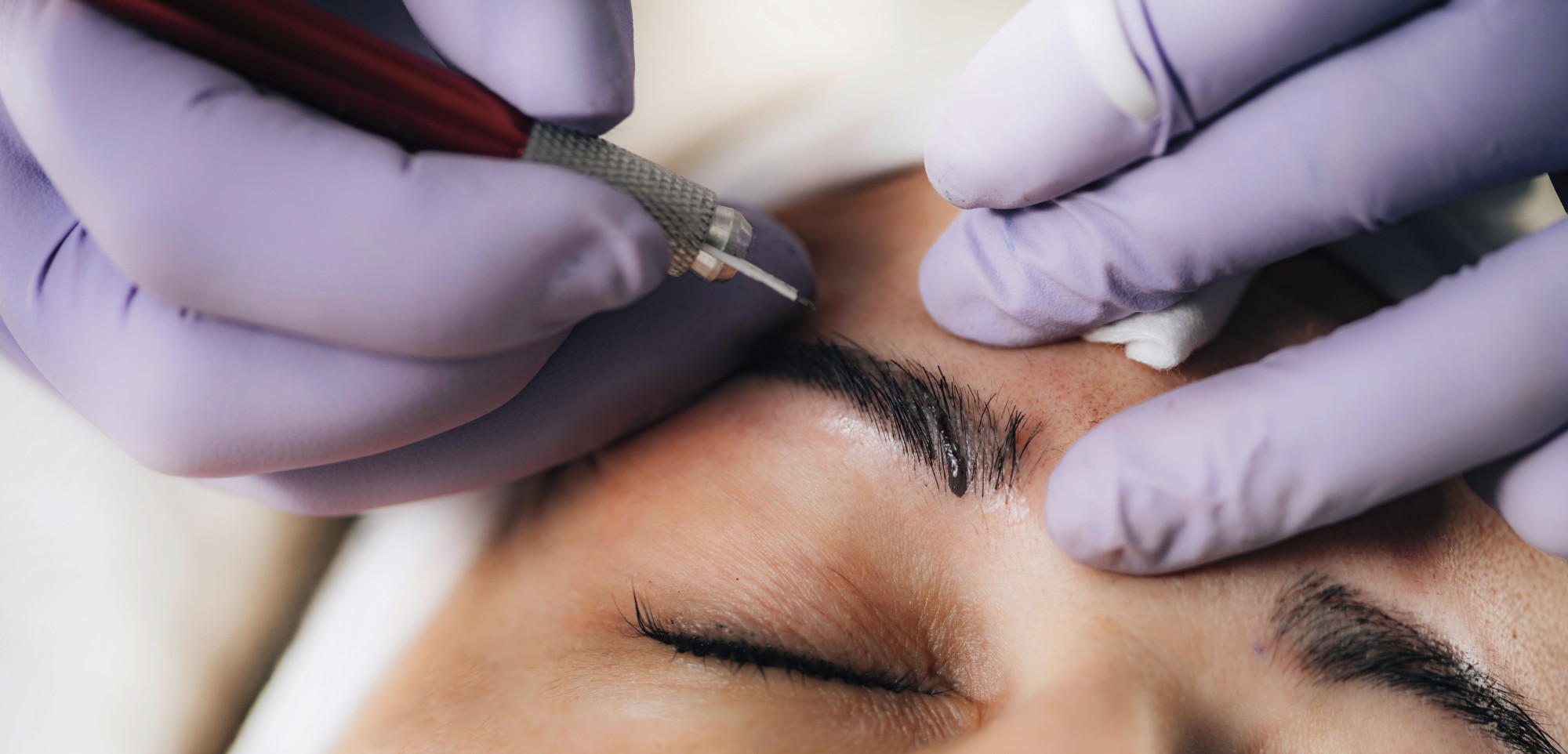
Semi-permanent removal should be performed as a dermatology laser procedure. If you are considering it, we recommend starting after a diagnosis by a board-certified dermatologist. Results and the number of sessions may vary individually.
The overall treatment flow is summarized in the Tattoo Removal Treatment Guide.


Authored and Medically Reviewed by Representative Director Dr. Kang Jin-moon (Board-Certified Dermatologist) Board-Certified Dermatologist · Graduated from Yonsei University College of Medicine Completed residency in Dermatology at Severance Hospital · Former Professor at Bundang CHA Hospital Currently Adjunct Professor, Department of Dermatology, Yonsei University College of Medicine · Author of "Medical Body Care" View Medical Staff Profile
First Published 2025-03-28 · Last Reviewed 2026-07-29
This article contains general medical information and is not a substitute for individual diagnosis and treatment. Results and recovery progress may vary individually.