


Some people want to remove their tattoos but are worried about scarring.
In the past, many methods, such as chemical peels or tattoo removal shops, caused skin damage. Now, dermatology clinics use lasers along with scar prevention measures to reduce scarring.
Why Scars Form
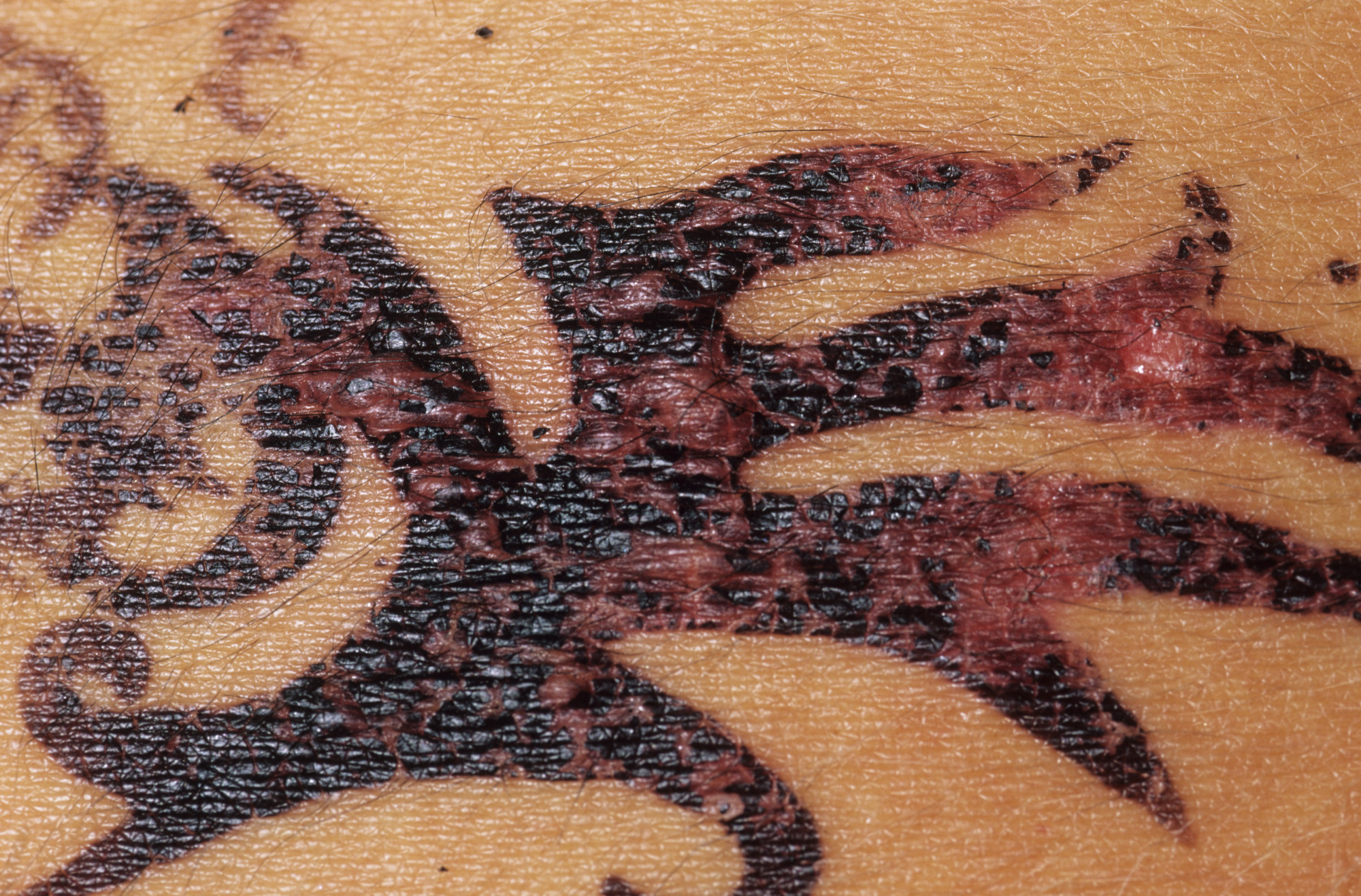
Tattoos involve pigment deeply embedded in the dermal layer of the skin. If you try to remove them with strong stimulation, surrounding tissues can be damaged.
In particular, the risk of scarring increases in the following cases:
| Situation | What is the problem? |
|---|---|
| When laser intensity is excessively high | More burden on surrounding tissues than on pigment |
| When machine performance is low or wavelength is incorrect | Pigment is not properly broken down |
| When pigment remains deep, requiring repeated treatments | Accumulated stimulation |
| When recovery after inflammation is not proper | Traces remain during the healing process |
Choosing Equipment to Minimize Thermal Damage
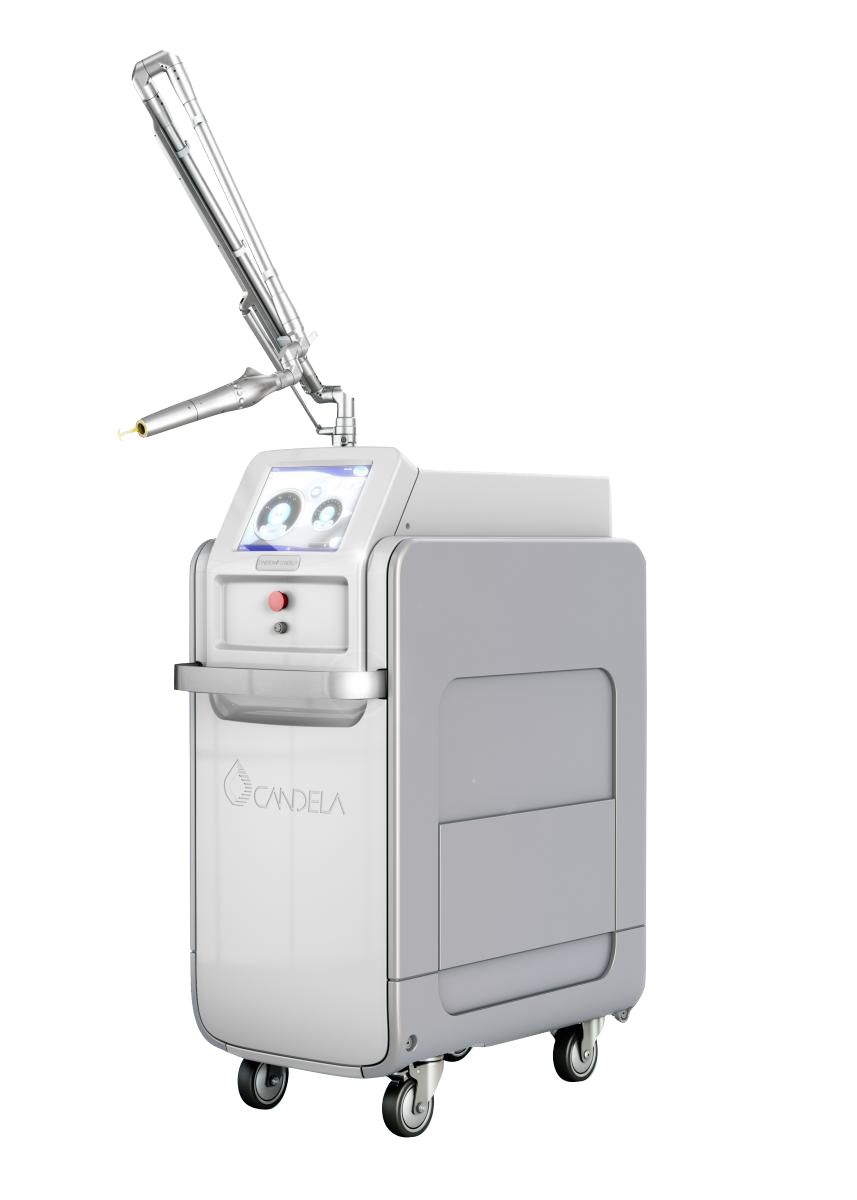
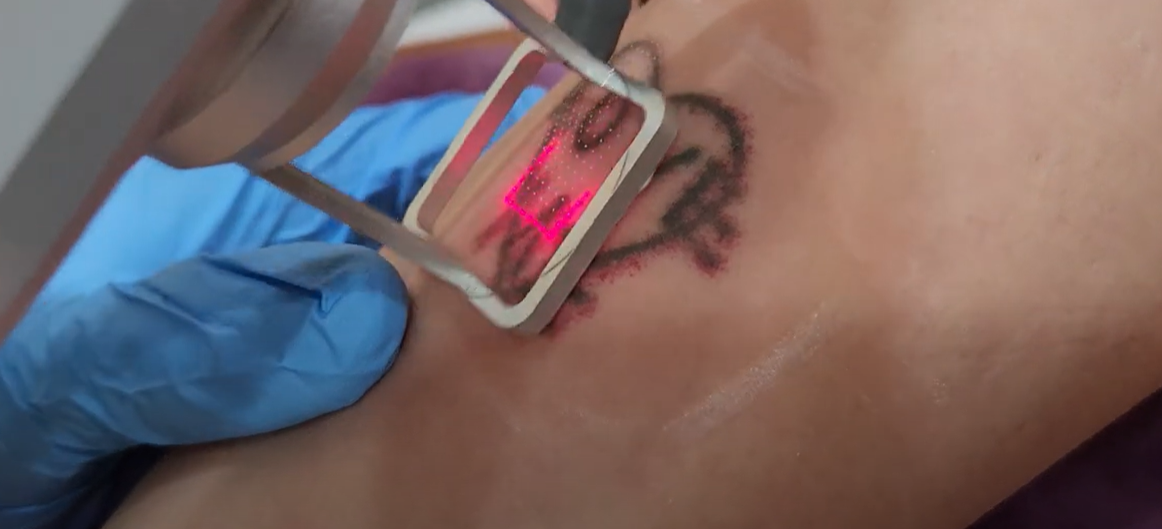
Dermatology clinics use pico lasers to remove tattoos. PicoWay, PicoSure, and PicoPlus fall into this category.
Because they finely fragment pigment and cause less thermal damage, skin tissue recovers relatively quickly, which helps reduce scarring.
Equipment configurations are detailed in R-Zero Pico-Frectat Tattoo Removal, and other methods are summarized in Nd:YAG Tattoo Removal.

Maintaining Intervals is Also a Method
Rather than receiving repeated treatments in a short period, it is generally better to maintain intervals of 4 to 6 weeks.
Giving the skin time to recover ultimately helps reduce scarring.
Pinhole Technique for Finishing Touches
To prevent scarring, the Pinhole Technique using a CO2 laser may be performed after pigment removal. This involves creating microscopic holes in the skin to induce recovery and restore skin texture and elasticity.
You can find more details in the Pinhole for Burn & Surgical Scar treatment guide.
Things to Check During Consultation
- Whether the appropriate wavelength for the current pigment depth is being used
- How the treatment intervals are set
- What measures are taken if inflammation occurs
At a dermatology clinic, a dermatologist checks everything from laser treatment to aftercare, allowing for a plan that minimizes scarring. Individual results may vary.
If you have any questions, you can ask them via chat now.

Authored and Medically Reviewed by Chief Director Lee Sang-joo (Dermatologist) Graduated from Yonsei University College of Medicine · Ph.D. in Medicine from Yonsei University Graduate School of Medicine Currently an Adjunct Professor at the Department of Dermatology, Yonsei University College of Medicine · President of the Korean Dermatological Association in 2026 View Medical Staff Profile
First published 2025-06-02 · Last reviewed 2026-07-29
This article contains general medical information and does not substitute for individual diagnosis and treatment. Results and recovery progress may vary by individual.