
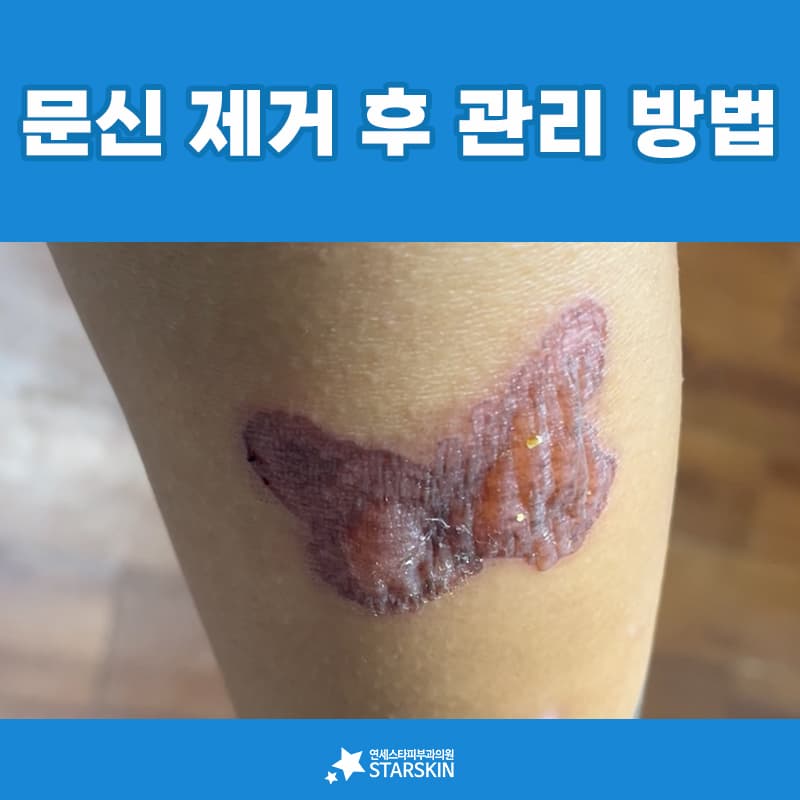
If post-tattoo removal care is not properly managed, scars may remain. We have compiled care methods that vary depending on the symptoms.
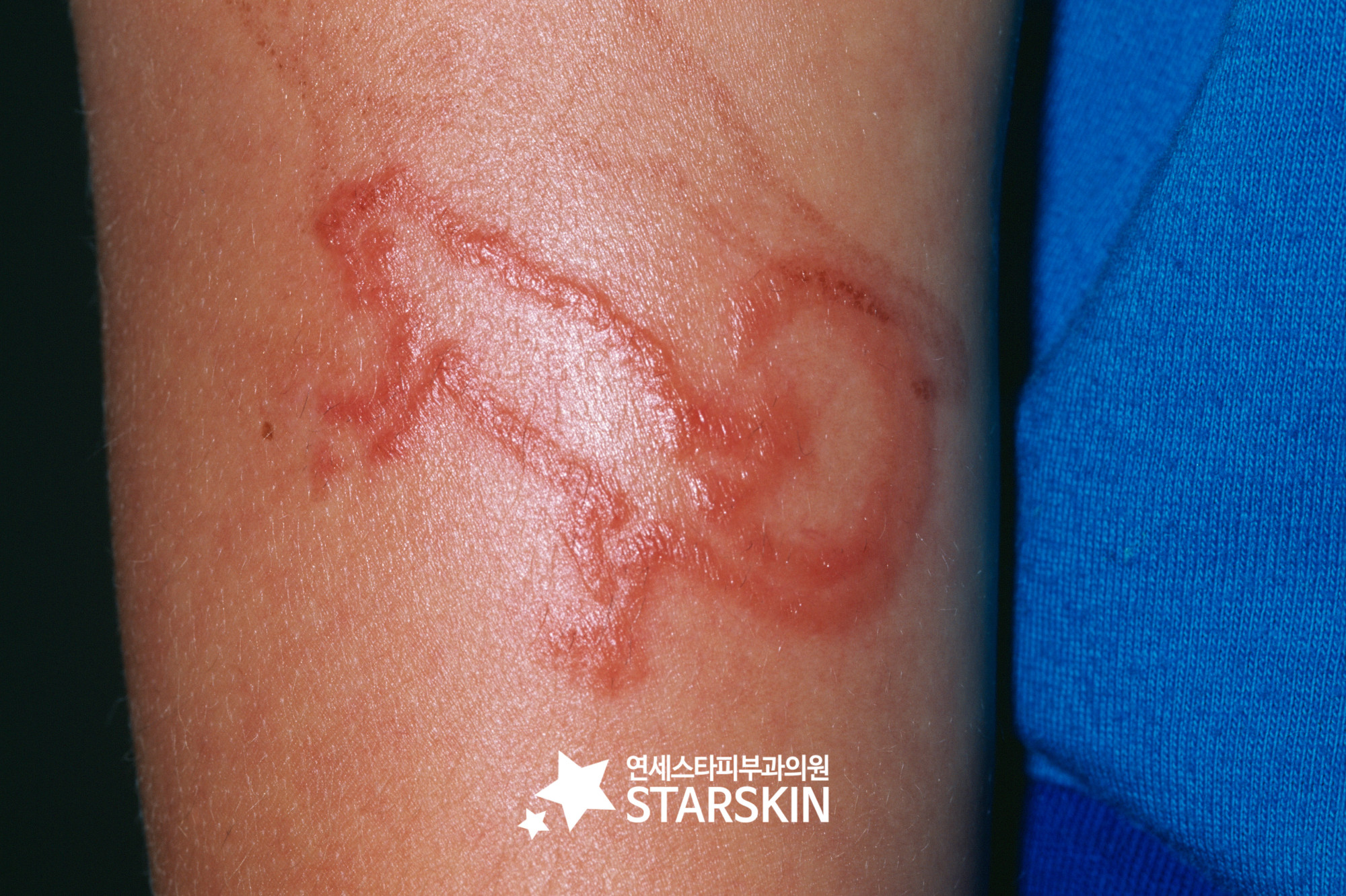
Scabs and Itching
Inflammation and blisters may occur as the laser reacts with the tattoo pigment. As the inflammation subsides, scabs form on the treated area.
Scabs protect the area by blocking bacteria and contaminants, so please do not pick them. Instead, apply an antibiotic ointment, not a hydrocolloid bandage, for care.
Many people complain of itching in the scabbed area. This symptom occurs as histamine is secreted during skin regeneration and naturally disappears over time. If the itching is too severe, antihistamine medication may be necessary.
If redness remains even after the scab has fallen off, it is important to diligently apply regenerative cream and sunscreen.
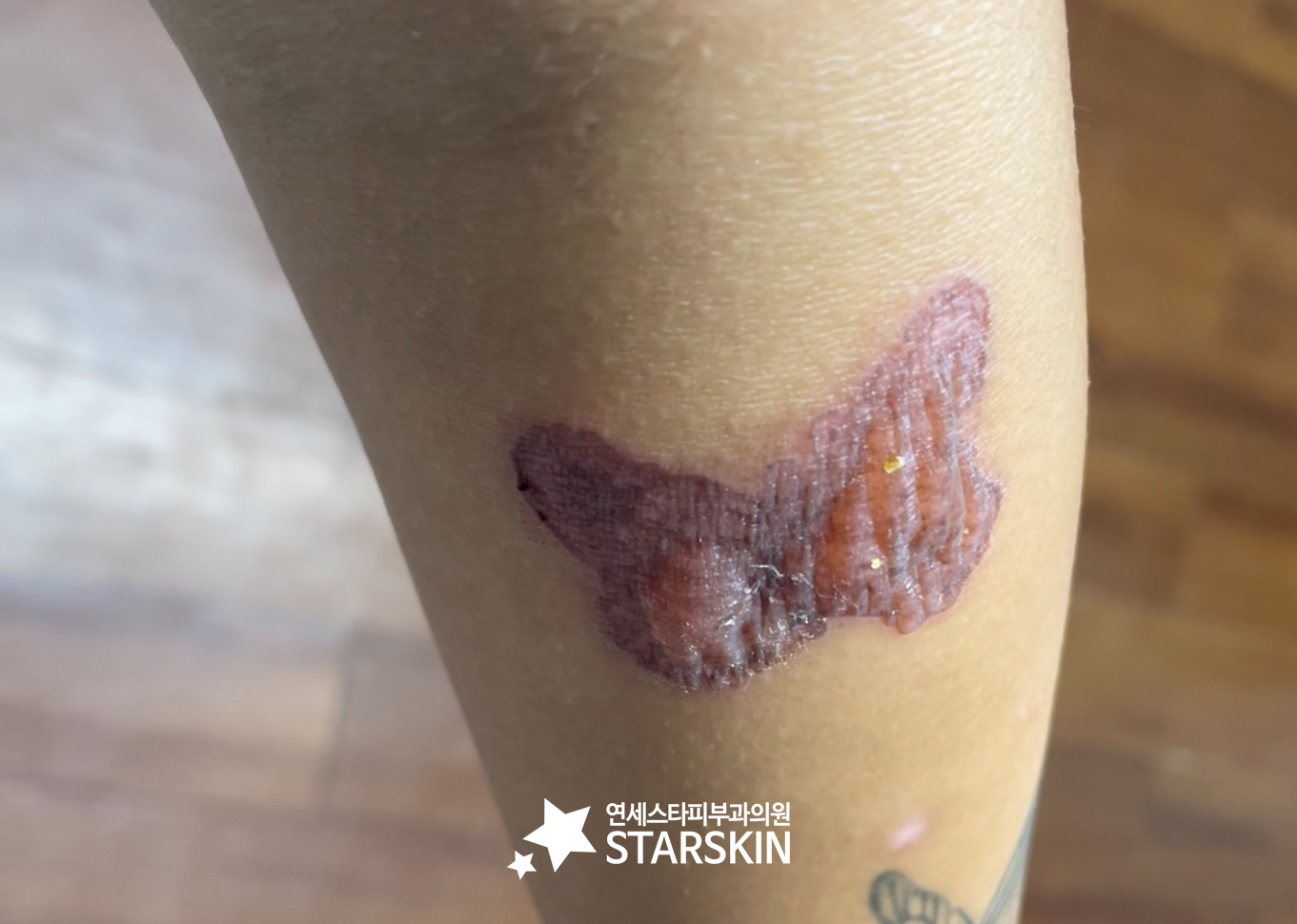
Depending on Blister Size
Small blisters should be left untouched and will disappear in about a week. Large blisters often burst on their own, making them difficult to manage.
- If a blister is too large, it is better to pop it.
- When popping, use sterilized tools to prevent bacterial infection.
- After popping, do not remove the skin; continue to apply antibiotic ointment to help the wound heal well.
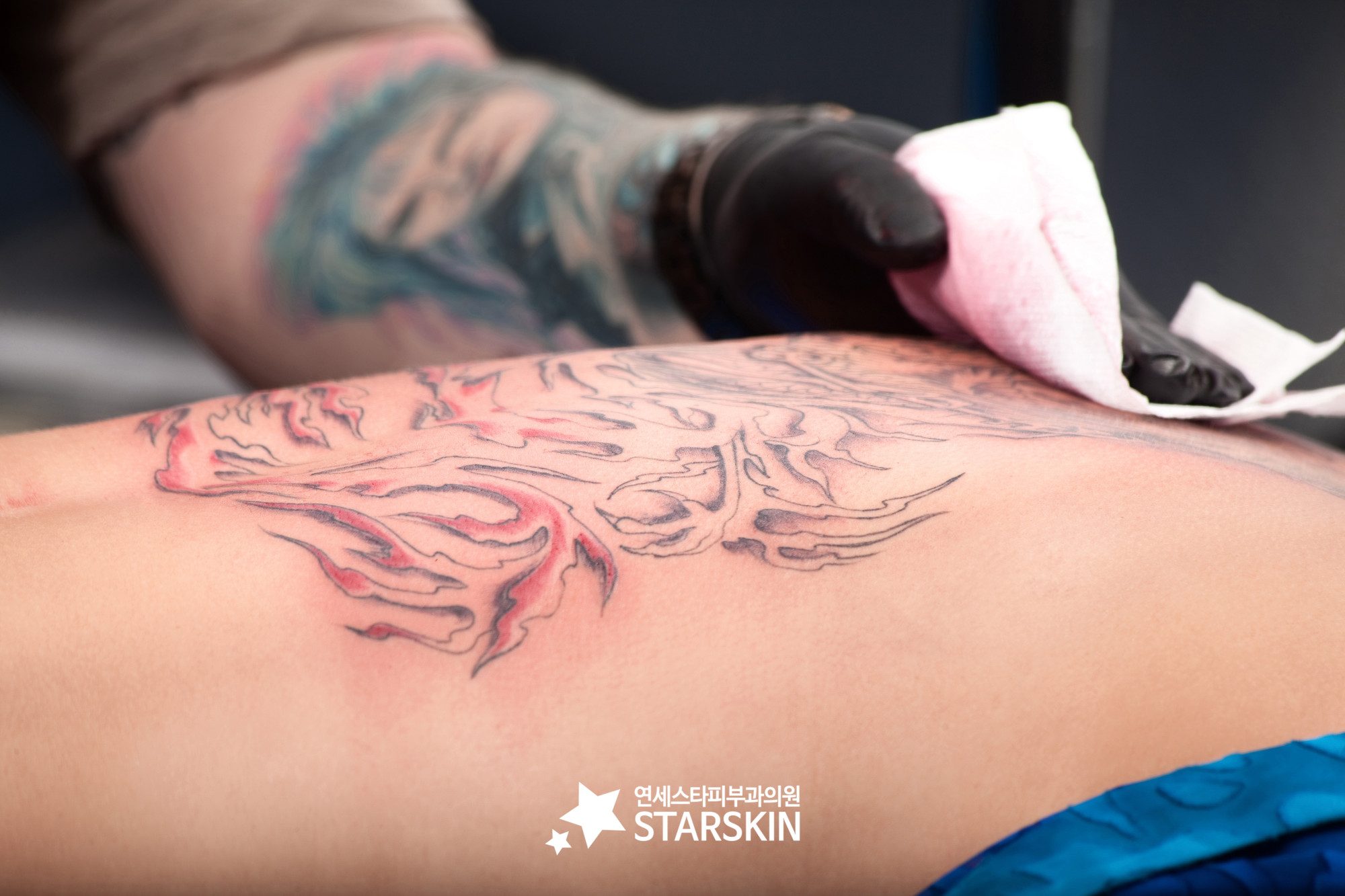
When Swelling and Itching Persist
For itching, apply regenerative cream and moisturizing cream. For swelling, cold compresses can help improve symptoms.
Swelling and itching usually subside within 2 to 3 days. If they persist for more than a week and cause discomfort in daily life, medication may be necessary, so please visit the clinic where you received the treatment.
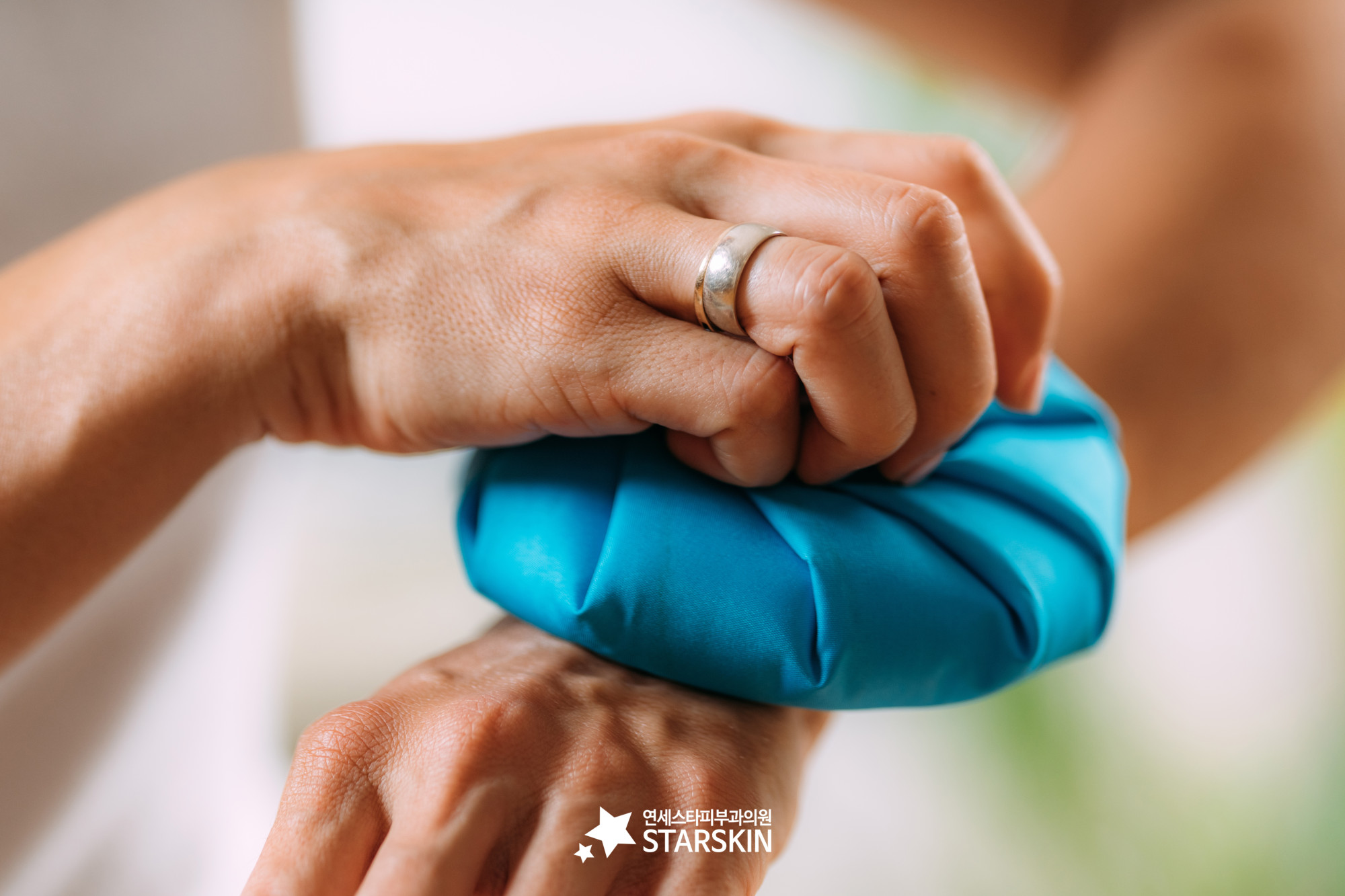
When Pain Continues for Several Days
Many people report that the larger the tattoo area, the longer the pain may last, and the darker the pigment, the more severe the pain.
If pain persists for several days, taking painkillers like Tylenol, applying regenerative cream, and using cold compresses can be helpful.
If the pain is still severe, you can get an additional prescription from the clinic.
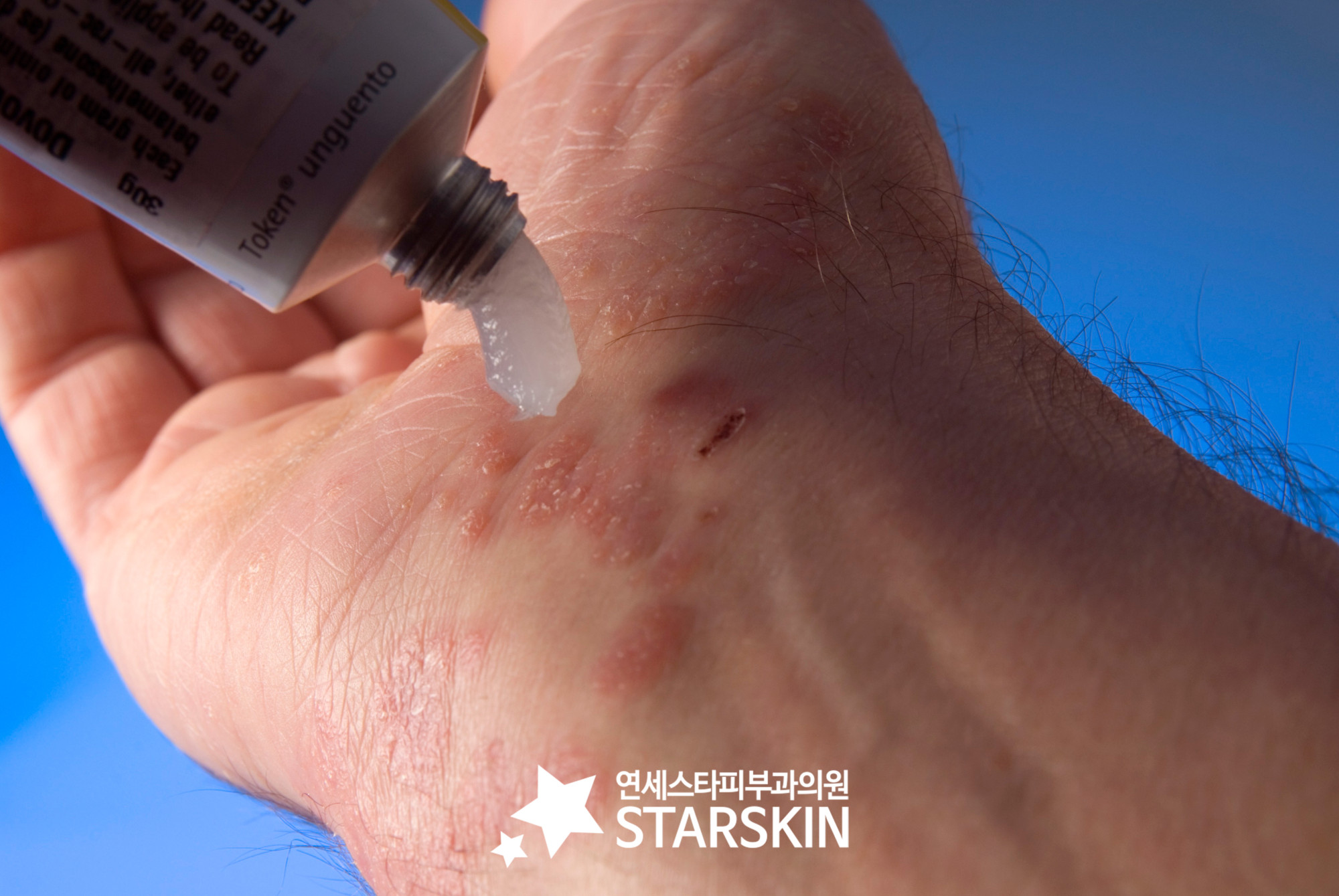
Four Situations Leading to Scars
| Situation | What to do |
|---|---|
| When large and severe blisters occur | Treat with sterilized tools and cover with antibiotic ointment |
| When secondary bacterial infection occurs | Apply antibiotic ointment for protection and seek medical attention at the clinic |
| When scabs fall off before healing | Protect the wound with antibiotic ointment |
| When treatment intensity is excessively increased | Proceed at a facility that can adjust treatment intensity |
If scarring has already occurred, combining scar ointment and scar laser treatment can help improve it afterward. Scar prevention methods are organized in the Pinhole for Burn & Surgical Scar guide, and the treatment composition itself can be found in the R-Zero Pico-Frectat Tattoo Removal guide.
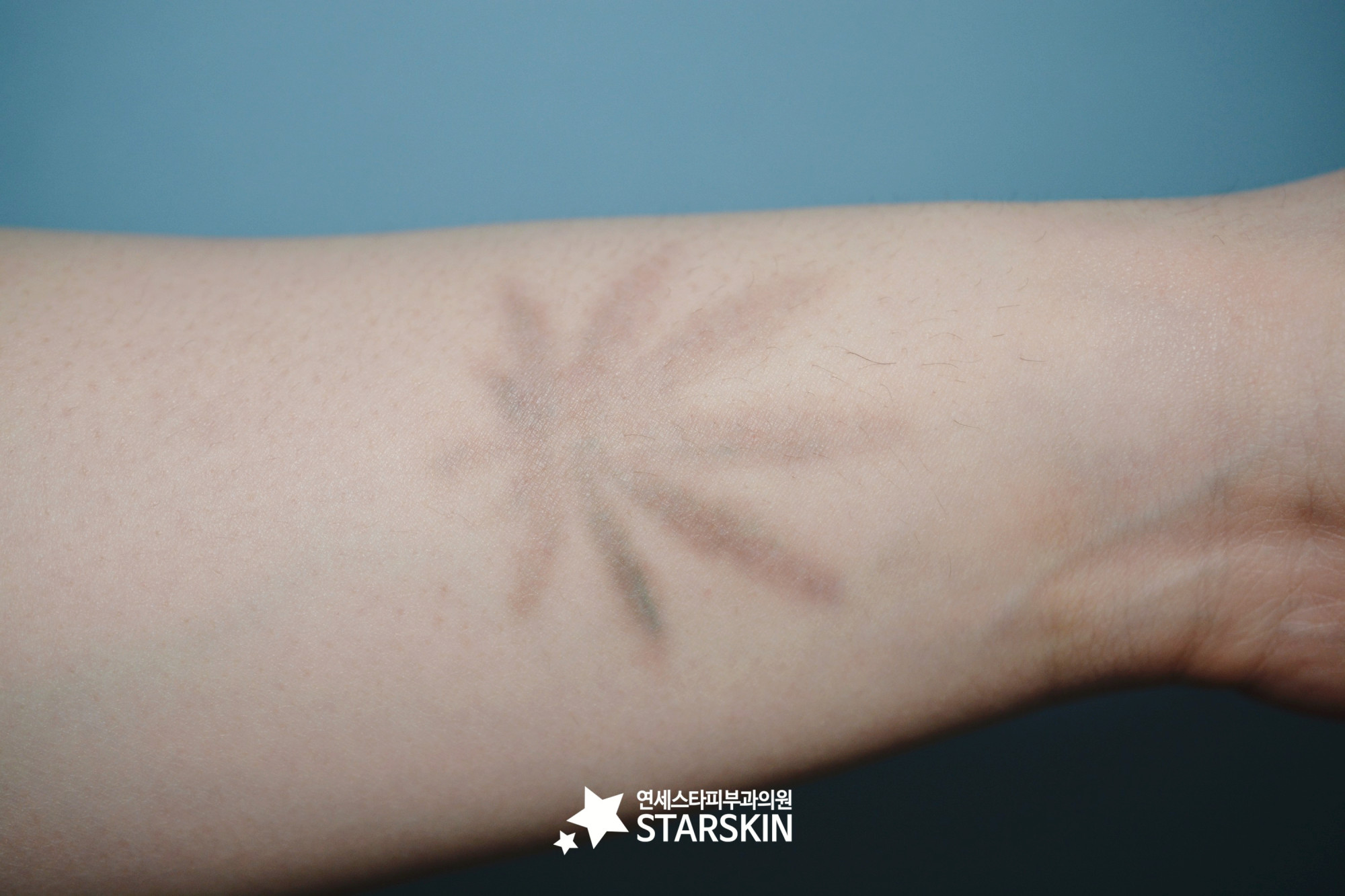
When Only Brown Remains
Sometimes, all tattoo pigment is removed, and only brown pigmentation resulting from the process remains. At this point, tattoo pigment removal is complete, and the area no longer responds to tattoo removal lasers.
The brown pigmentation will naturally disappear over time. If you wish to reduce the duration, laser toning like Pico·Dual·Gold-Diamond Toning can clear it more quickly.
Occasionally, for individuals with darker skin, the treated area may appear slightly lighter, but this also recovers naturally over time. There may be individual differences in the recovery process.
For the overall treatment flow, please refer to the Tattoo Removal Treatment Guide, and for any questions during care, please inquire via chat now.

Authored · Medically Reviewed by Dr. Jinmoon Kang, Chief Director (Dermatologist) Severance Hospital Dermatology Resident · Yonsei University College of Medicine Graduate Currently Adjunct Professor, Yonsei University College of Medicine, Department of Dermatology · Member, Korean Dermatological Association View Medical Team Profile
First Published 2023-09-27 · Last Reviewed 2026-07-29
This article contains general medical information and does not substitute for individual diagnosis and treatment. Results and recovery may vary by individual.