
![Forehead Scar Causes and Effective Treatment Recommendations [Yonsei Star Dermatology Sinchon]](/_next/image?url=https%3A%2F%2Fagqdgbuateknhwpocrgu.supabase.co%2Fstorage%2Fv1%2Fobject%2Fpublic%2Fsources%2Fbbf3bebe-45b6-4415-bd04-bda18b2cac0f%2Fblog-images%2F223902463471_00_661aa8f93de5.jpg%3Ftype%3Dw966&w=3840&q=75)
The forehead is the first part of the face to catch the eye, so even small marks can easily stand out. If abrasions, surgical scars, or depressed marks from acne or chickenpox remain, they can create shadows like wrinkles, altering one's impression. The most common question we receive is, "Can old forehead scars also be lightened?" To answer directly, the key is to accurately distinguish the scar's shape, color, and cause to tailor the treatment direction.
Why Forehead Scars Are a Concern
The forehead is a large area exposed below the hairline, making it difficult to conceal with makeup. If the skin tone appears uneven or the surface has irregularities, it can lead to an untidy appearance. Due to the nature of the facial area, even a small mark can lead to a burden when going out or a decrease in self-confidence.
Scars are not a problem that can be solved with a single treatment; approaching them by distinguishing their shape, color, and cause can increase the likelihood of improvement.
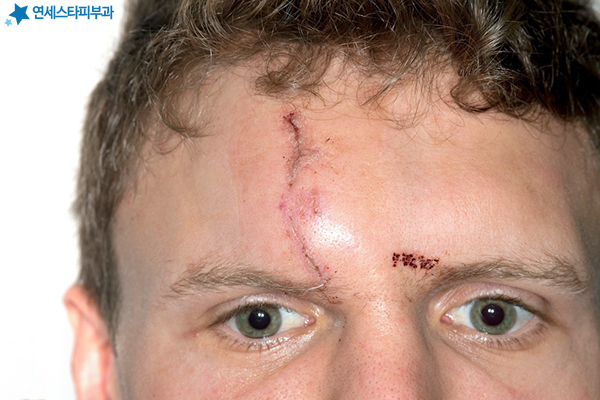
What Forms Can They Take?
Forehead scars vary in shape as much as their causes. Abrasions from falls or scratches can leave red marks, and surgical sutures can result in raised linear scars. After suffering from fingernail marks, acne, or chickenpox, depressed marks often remain, making them noticeable.
| Type | Main Cause | Treatment Direction |
|---|---|---|
| Depressed | Acne, chickenpox, fingernail marks | Regenerative laser, combined Subcision if necessary |
| Raised | Suture marks, keloid tendency | Triamcinolone Scar Injection, combined vascular laser if necessary |
| Pigment/Redness | Color change after abrasion | Laser selected according to color |
Different types require different laser methods, and sometimes two or more are combined. If depressed marks are a concern, you may also want to refer to information on depressed acne scars or acne scars.

The Most Common Depressed Scars
A common form of forehead scar is the depressed type. While acne or chickenpox can be causes, it's not uncommon for them to result from everyday accidents like fingernail marks from people or pets.
When skin is damaged, regeneration should ideally occur well for recovery. If this process is insufficient, it can leave a sunken form, making the surface uneven and giving an untidy impression. In such cases, stimulating skin cells with a regenerative laser can help induce skin regeneration, leading to a subtle improvement in the marks.

For Deep Depressions, Combine with Subcision
Skin has the power to heal itself, but it takes quite a long time. If a scar has already formed, the recovery period becomes even longer, and depending on the extent of damage, some deeply depressed scars may not be sufficiently treated with regenerative lasers alone.
If the fibrous tissue beneath the skin strongly pulls the surface, leading to severe depression, combining treatments like Subcision can enhance the therapeutic effect.
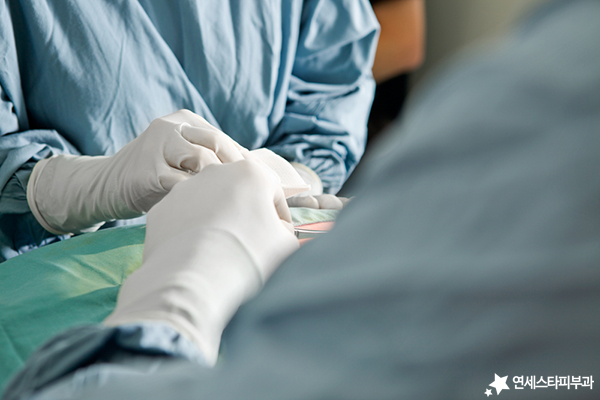

Subcision is a procedure that uses a medical needle to sever the fibrous bands pulling the skin, helping the depressed forehead scar to fill in. Although it appears to be a simple needle procedure, the practitioner's expertise is crucial for safe execution without damaging nerves beneath the skin. Therefore, we recommend undergoing the procedure at a dermatology clinic with experienced specialists.
For inquiries, please contact us via chat consultation regarding forehead scar treatment

Raised Scars and Keloids
Over time, forehead scars can turn white and become raised, or due to constitutional factors, they can appear as raised keloid scars. Noticeable marks on the face can cause significant stress.
In such cases, combining laser and injection treatments to lower the skin's height to normal and restore its original color is recommended. Especially with keloids, it is reported that a vicious cycle can repeat, where they gradually grow larger, accompanied by pain and itching, and in severe cases, recur.
Triamcinolone Scar Injection can help restore the height of raised skin, and if redness is severe, combining it with a vascular laser (Vbeam Prima) can help reduce the possibility of recurrence and maintain the effect longer. In the examination room, even for the same forehead scar, the chosen method can vary significantly depending on its shape and color.
Things to Check Before Treatment
Organizing your scar condition before consultation can help in determining the treatment direction.
- Check the surface height to see if the scar is depressed or raised.
- Confirm if there are color changes like redness or pigmentation.
- Recall if the cause was an accident, acne, or chickenpox.
- Note the time of occurrence and the pattern of change (e.g., if it's getting larger).
- Check for accompanying symptoms like pain or itching.
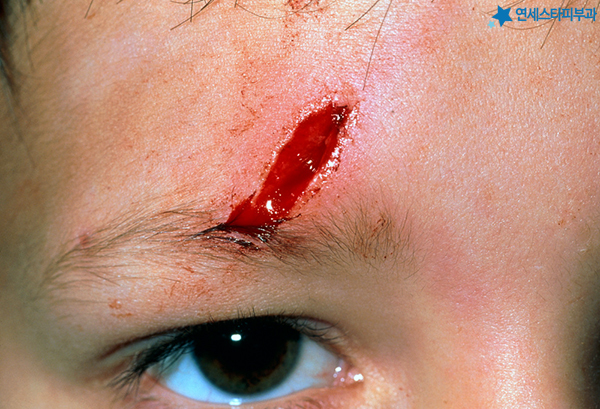
It's Not Too Late for Old Scars
The face is a highly visible area, so indelible marks can easily lead to internal stress. In severe cases, it can lead to decreased self-confidence or a reluctance to go out, causing difficulties in daily life, thus requiring appropriate treatment.
Lasers are reported to offer positive improvement even for old scars, so rather than simply concealing them, it's better to approach them properly according to their cause and shape. If you are also concerned about cosmetic surgery scars or surgical scars in other areas, we recommend consolidating your treatment plan at once.
If you are concerned about forehead scar treatment, please feel free to contact us for a chat consultation now.


Dr. Sang-Joo Lee, Chief Director (MD, PhD, Yonsei University College of Medicine and Graduate School, completed dermatology residency at Severance Hospital, President of the Korean Dermatological Association) Dr. Sang-Joo Lee's Profile First Published 2025-06-17 / Last Reviewed 2026-06-16
This content is for general informational purposes only, and treatment responses and progress may vary by individual. Accurate diagnosis and treatment plans should be determined through consultation with medical staff.