
Many people get semi-permanent eyeliner to make their eyes look clearer. However, over time, more people are considering removal if they dislike the design, if the color bleeds, or if they desire a more natural eye look.
The skin around the eyes is thin and sensitive. Therefore, carefully choosing a clinic and removal method is an important process.
Background: Why Removal Methods Shifted to Laser
There were various methods for removing semi-permanent eyeliner tattoos. In the past, methods involving injecting medication into the dermis to abrade the skin were also frequently used.
There was a high risk of scarring during that process, so it is not as preferred now.
Currently, laser removal methods are widely utilized. Since the skin around the eyes is very thin and sensitive, it is important to first assess the condition and then choose an appropriate method. If scar management is also needed, please refer to the Pinhole for Burn & Surgical Scar treatment guide.
Why it is Said to Be More Difficult Than Regular Tattoos
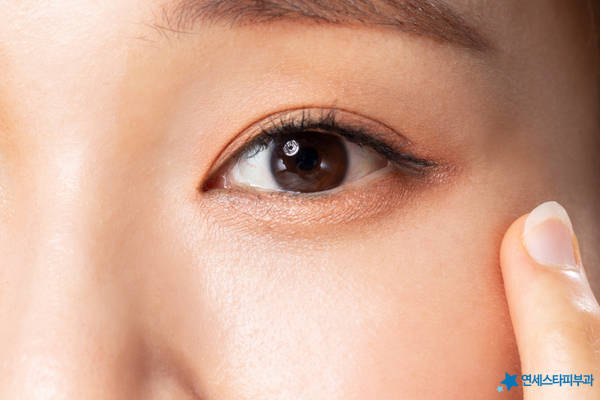
Eyeliner tattoo removal is sometimes mentioned as being more challenging than general tattoo removal. This is because pigment may be located very close to the lash line, or the depth of the pigment may be uneven.
Precise laser control may be required, making experience a crucial factor. The process should involve selecting equipment and developing a detailed treatment plan that considers the characteristics of the delicate eye area skin.
Method of Breaking Down Pigment with Short Pulses
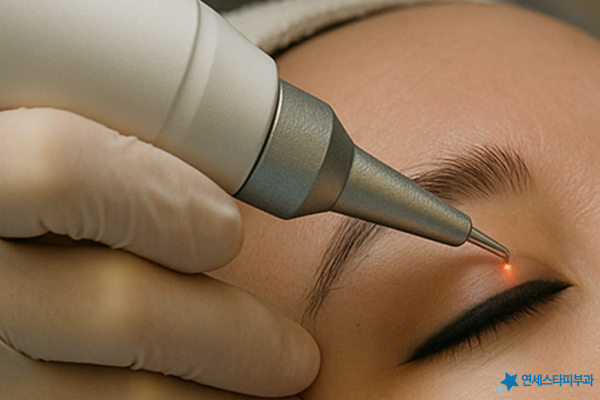
Recently, methods utilizing laser devices are frequently mentioned for eyeliner tattoo removal. Pico laser devices use short pulse durations to finely break down pigment, with a shorter pulse duration than existing nanosecond devices.
Pico lasers have evolved into various versions, and one of them is the PicoWay Laser. You can find information on the device configuration in the R-Zero Pico-Frectat Tattoo Removal guide.

Is the Pain Worse Than Regular Tattoos?
Many people wonder if removing semi-permanent eyeliner is much more painful than removing a regular tattoo. It is true that the eye area has thin skin, which can make it more sensitive to pain.
Also, semi-permanent pigments have different properties than regular tattoos.
- The pigment depth may be shallow or uneven.
- Multiple pigments may be mixed.
Since the degree of pain can vary significantly from person to person, it is advisable to choose a facility where the procedure is performed by medical staff with sufficient medical knowledge and experience.
We Even Check Protective Gear for Your Eyes
Eyeliner removal involves erasing pigment placed on the lash line. As much as delicate skill and experience are important, you should also check whether devices are in place to safely protect your eyes.
| Check Item | Content |
|---|---|
| Eye area skin characteristics | Is the plan considering the thin and sensitive nature of the area? |
| Pigment condition | Is the depth uneven or are multiple pigments mixed? |
| Equipment | Which laser is being used? |
| Eye protection | Is a dedicated protective lens, an eye shield, being used? |
If you usually wear contact lenses, please remove them before the procedure, and it is best to avoid rubbing your eyes and keep them comfortable.
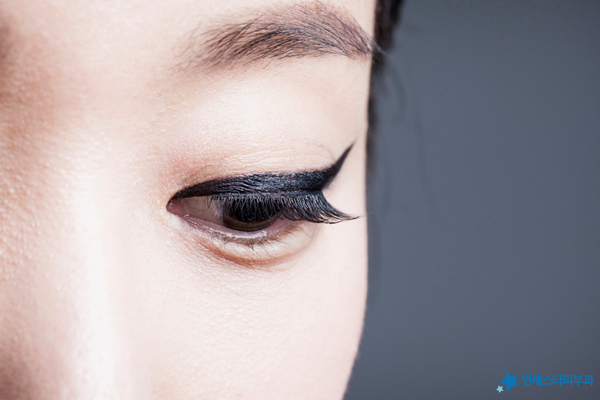
It's Not Just a Pigment Removal Procedure
Eyeliner tattoo removal is not just simple pigment removal; it requires a treatment approach that considers the characteristics of the skin around the eyes. This is why it's necessary to check both the equipment and treatment experience when choosing a clinic.
You can view the overall treatment flow in the Tattoo Removal Treatment Guide. If you're curious about the condition of your eye area, please inquire via chat now.


Authored and Medically Reviewed by Dr. Jinmoon Kang, Chief Director (Dermatologist) Graduated from Yonsei University College of Medicine · Severance Hospital Dermatology Resident · Current Adjunct Professor, Department of Dermatology, Yonsei University College of Medicine Member of the Korean Dermatological Association · Korean Society for Aesthetic and Dermatologic Surgery View Medical Staff Profile
First Published 2026-03-06 · Last Reviewed 2026-07-29
This article contains general medical information and does not substitute for individual diagnosis and treatment. Results and recovery progress may vary by individual.