

Burn scars are lasting marks that remain after an injury heals, with changes in both skin color and texture. The questions people first ask when facing a scar are almost always similar: Can this scar return to its original skin condition? To answer directly, while scars cannot be completely eliminated, treatment to alleviate their shape and texture to be closer to normal skin is certainly possible.
Why are burn scars so noticeable?
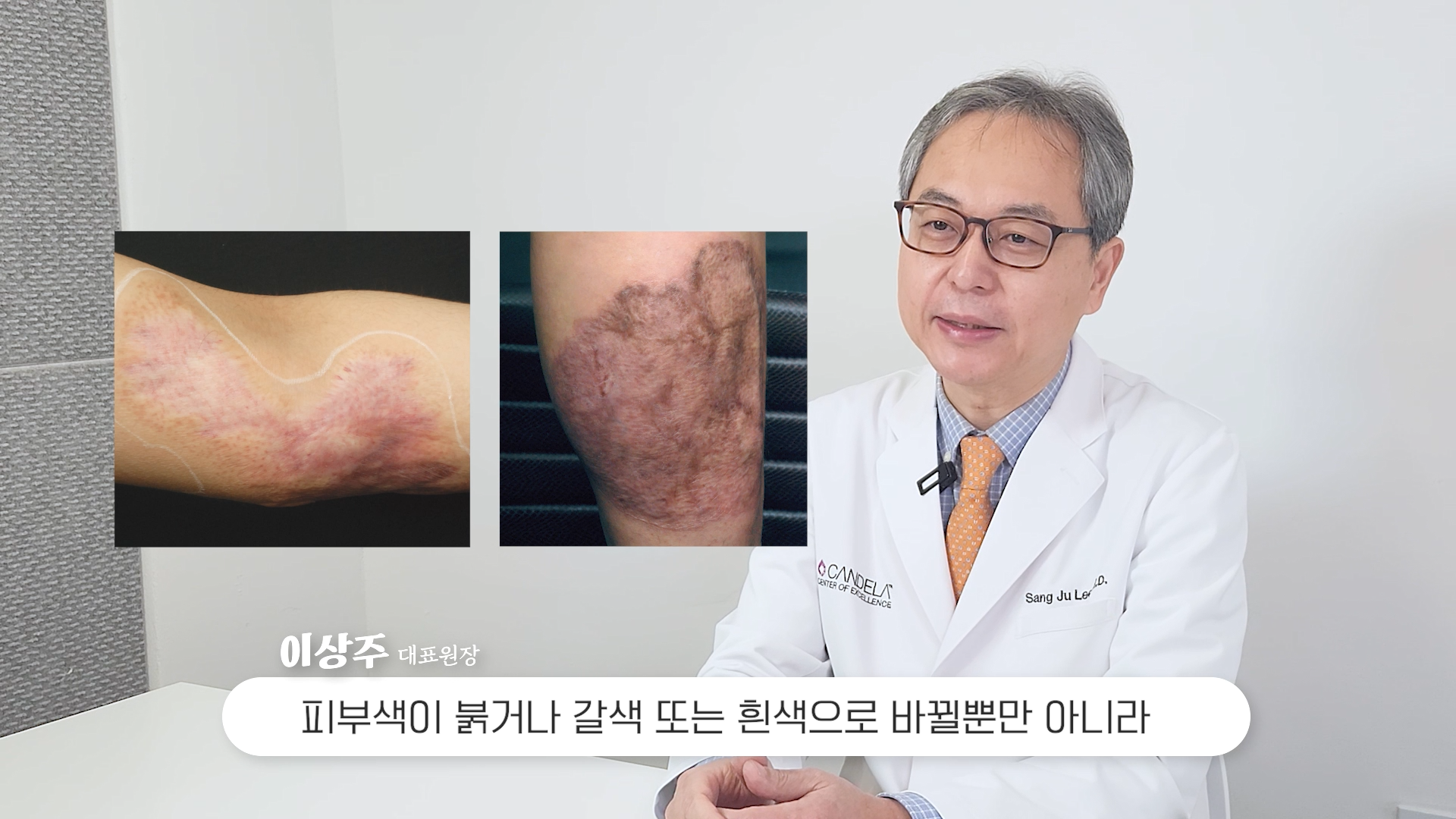
Among scars, burn scars involve not only color changes, where the skin turns red, brown, or white, but also a change in the skin's texture itself. The surface may thicken or become hardened and contracted, often resulting in a visually difficult appearance.
As such, burn scars are considered a highly challenging area in dermatology. Due to their complexity, it's not uncommon for burn scar treatments to not even be attempted. Yonsei Star Dermatology Sinchon has accumulated extensive clinical experience in treating burn scars over a long period and provides guidance based on our unique approach.
What is the Pinhole Technique?
The Pinhole Laser Treatment is known as an effective method for burn scars. The Pinhole Technique originated at Yonsei Star Dermatology Sinchon, with treatments beginning in the early 2000s. After being reported to dermatological societies worldwide, good effects have been reported in various clinical papers. As evidence of its effectiveness, similar Pinhole Technique procedures have emerged.

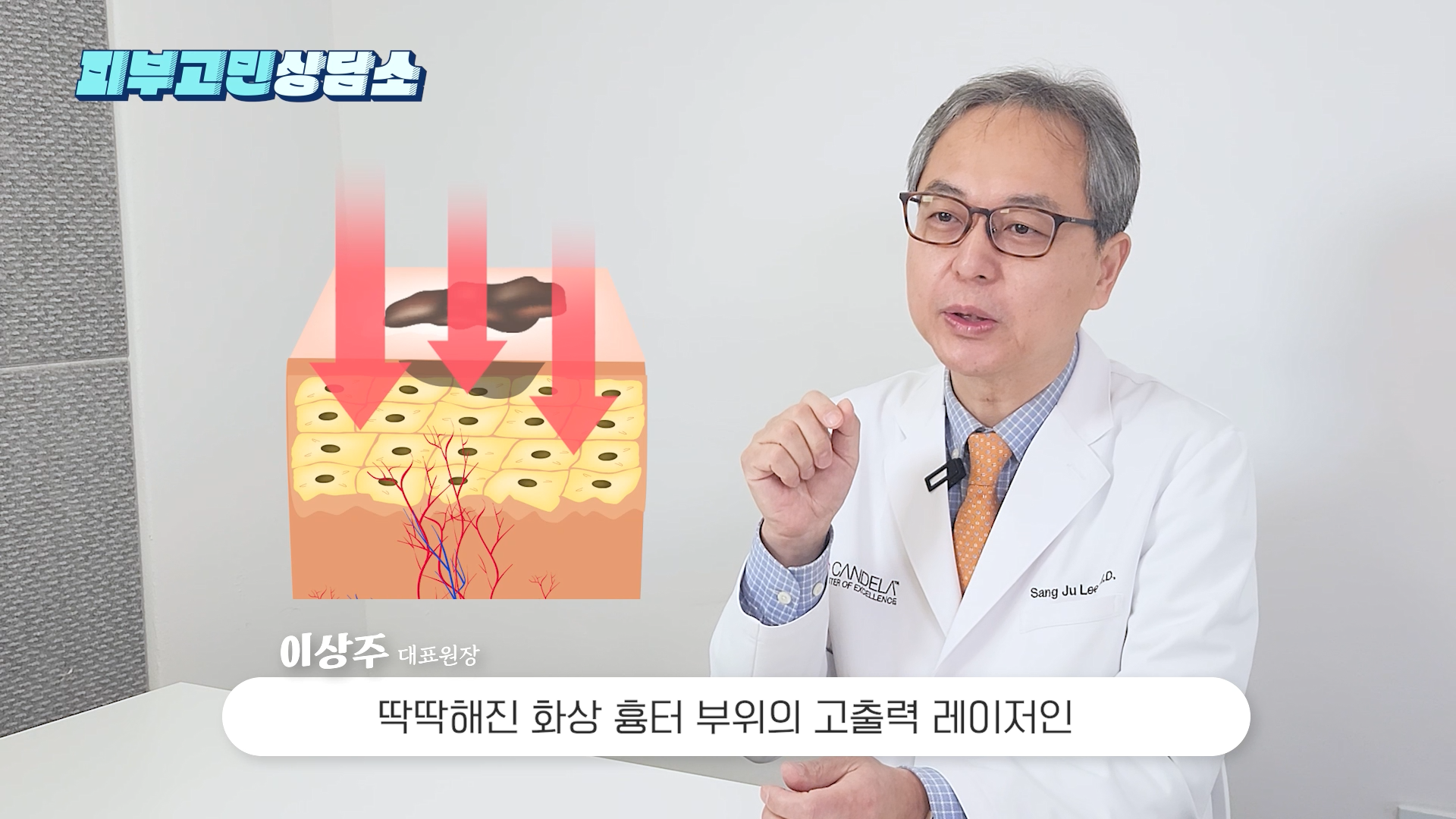
The Pinhole Technique, as its name suggests, creates microscopic holes in the skin to loosen and rearrange hardened collagen tissue, thereby improving scars.
The principle is simpler than it seems. A high-power laser, the Ultrapulse Encore, is used to create microscopic holes deep within the hardened burn scar tissue. In this process, the tightly bound collagen loosens and rearranges, gradually alleviating the scar.
One characteristic of the Pinhole Technique is that it aims to improve the skin to be as similar as possible to normal skin, with almost none of the foreign sensation associated with traditional skin graft surgery. Furthermore, as treatments are repeated, the scar becomes increasingly similar to the surrounding skin. Reports indicate that with sufficient treatment, burn scars can improve to the point where they are barely noticeable. If you are curious about the types and scope of Pinhole-based treatments, referring to the Mild Pinhole Guide and Pinhole Alpha Guide may be helpful.

How many sessions are needed?
The number of treatments varies depending on the depth and condition of the scar. While some may feel improvement after just one or two sessions at one to two-month intervals, we generally recommend at least 5 to 10 treatments for sufficient effect. However, even with the same number of sessions, individual results may vary.
In the consultation room, patients who gradually see their skin texture improve over multiple sessions, rather than expecting a big change in one go, tend to be more satisfied. It's good to know the following points in advance during the treatment process:
- The recommended number of sessions varies depending on the depth and area of the scar.
- The treatment intensity is adjusted for each session.
- After the procedure, sun protection and moisturizing care are important.
- Changes appear gradually over multiple sessions rather than all at once.
- Progress is adjusted through consultation with a specialist.
For any questions, please contact us via chat for burn scar treatment inquiries

Why we don't use the term 'complete cure' for burn scars
Both patients and our medical staff share the desire for a scar to completely disappear once it has formed. Therefore, many ask if burn scars can be eliminated, but textbook-wise, the term 'complete cure' is not used.
Unfortunately, there is currently no method to restore a scar to its pre-injury state. However, it is possible to alleviate it to be closer to normal skin. The approach varies by scar type, so it's best to first identify your scar type.
| Category | Pinhole Laser Treatment | Skin Graft Surgery |
|---|---|---|
| Goal | Alleviate texture and shape to be closer to normal skin | Replace damaged area with other skin |
| Foreign Sensation | Reported to be relatively low | May leave a foreign sensation in the grafted area |
| Method | Repeated treatments over multiple sessions | Surgical procedure |
How burn scar treatment has evolved
In the past, burns were a life-threatening issue, so functional recovery took precedence over aesthetic aspects. Consequently, laser treatments or other procedures for burn scars hardly developed beyond surgery.
However, with the advancement of modern medicine and laser equipment, various treatment methods have been attempted and established for old burn scars. As a result, it has become possible to adjust the shape, texture, and thickness of burn scars to make them closer to normal skin.

To those considering treatment
While burn scars cannot be returned to exactly normal skin, modern medicine reports improvements of over 70 to 80 percent. Individual results may vary. Yonsei Star Dermatology Sinchon strives to alleviate burn scar concerns based on the original Pinhole Technique.
If the scar is deep or severely contracted, in addition to laser monotherapy, Surgical Scar Revision may also be considered. Information on burn scars in general can be found in the Burn Scar Symptoms Guide.
All treatment plans are customized individually to suit the symptoms through a one-on-one consultation with a dermatologist. If you are concerned about burn scar treatment, please feel free to consult us.
💬 Chat for a consultation now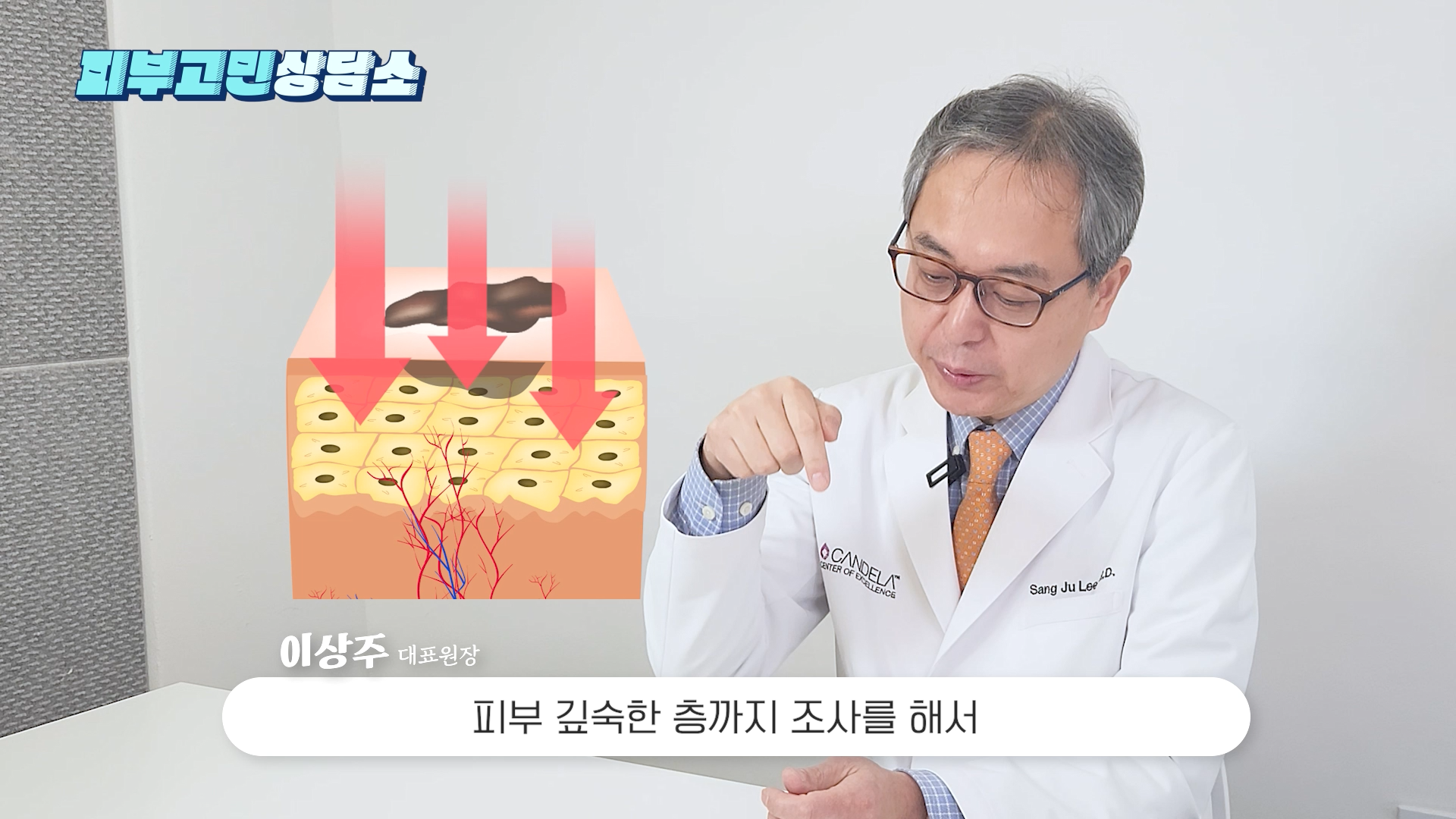
Chief Director Lee Sang-joo (MD, PhD, Yonsei University College of Medicine and Graduate School; Completed Dermatology Residency at Severance Hospital; President of the Korean Dermatological Association) Chief Director Lee Sang-joo's Profile First published 2024-03-29 / Last reviewed 2026-06-16
This content is for general informational purposes only, and treatment results and progress may vary by individual. Accurate diagnosis and treatment direction should be determined through consultation with medical staff.