
![Effective Laser Recommendations for Second-Degree Burn Scars, from Cause to Treatment | [Yonsei Star Dermatology Sinchon]](/_next/image?url=https%3A%2F%2Fagqdgbuateknhwpocrgu.supabase.co%2Fstorage%2Fv1%2Fobject%2Fpublic%2Fsources%2Fbbf3bebe-45b6-4415-bd04-bda18b2cac0f%2Fblog-images%2F224114427053_00_9cb701e4c98b.jpg%3Ftype%3Dw966&w=3840&q=75)
You've probably worried at some point about red or bumpy marks left after a burn from hot water or an iron. The first question that usually comes to mind is: "Will this scar disappear naturally over time?" To put it simply, the answer depends on the depth of the burn. If only part of the epidermis is damaged, the trace may remain relatively faint, but deep second-degree burns that damage the dermis are highly likely to leave a lasting mark.
Second-degree burn scars: What exactly are they?
Second-degree burns refer to burns that damage the epidermis and, in severe cases, part of the dermis. Even within second-degree burns, the outcome varies greatly depending on the depth of the damage.
- Superficial second-degree burns Relatively shallow damage, with less scarring during recovery.
- Deep second-degree burns Damage extends to the dermis, making it easy for marks to remain after recovery.
- Traces can remain in various forms, including redness, hyperpigmentation, and bumpy skin.
- Even with the same burn, the outcome may vary individually depending on the area and management.
In the clinic, we often see that even with the same degree of burn, the appearance of the scar can differ quite a lot depending on the initial treatment and subsequent care.
Why do scars remain after a burn?
When skin is damaged by a burn, our body rapidly produces collagen to repair the damaged tissue. In this process, scar tissue with a different texture from the original skin is formed. The lesion may protrude slightly, or its color may differ from the surrounding healthy skin.
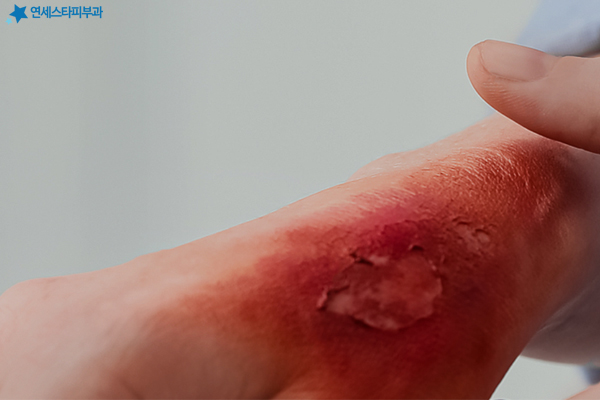
At this time, factors such as excessive inflammation, infection, wound depth, and UV exposure can make the scar even more prominent. Prompt emergency treatment in the early stages of a burn can somewhat prevent the scar from worsening, but if it's a deep second-degree burn that damages beyond the epidermis into the skin, there's a high probability of a lasting mark.
If pain continues or blisters form after treatment, it's best to visit a hospital as soon as possible to check for second-degree burn scars and determine the timing of treatment.
How is it treated?
The main direction of treatment is to aid the regeneration of damaged scar tissue and flatten raised areas. The approach varies depending on the shape and depth of the scar.
| Scar Type | Main Approach |
|---|---|
| Skin texture changes, depressions | Fractional CO₂ Laser |
| Hardened contracture | Laser Regeneration Treatment |
| Hypertrophic, keloid forms | Combined Laser and Injection Treatment |

Fractional CO₂ lasers like Ultrapulse Alpha and StarLux help regenerate damaged scar tissue and restore skin texture closer to its original state. The detailed direction of Burn Scar Treatment will be determined based on the scar's characteristics.
After a burn, contracture symptoms, where skin tissue hardens, can sometimes appear. Depending on the area, movement may become uncomfortable, or prominent marks may cause stress. Therefore, rather than waiting for natural recovery, it is helpful to check the condition and start Scar Laser Treatment at an appropriate time.
For questions, inquire via chat consultation for burn scar treatment methods
How are hypertrophic and keloid scars different?
If it's a severe hypertrophic scar or takes on a keloid form due to constitution, steroid injection treatment may be combined with laser treatment. The aim is to reduce the raised height and calm the activity of the scar tissue.

Keloids are characterized by frequent recurrence. Combining laser and injection treatments can help maintain the treatment effect for a relatively long time, and patient satisfaction with the results is also reported to be good. However, individual results may vary, so for Keloid Scars, it is safer to plan after directly assessing the condition. If the mark is raised, Triamcinolone Scar Injection may also be considered.
Home care to enhance treatment effectiveness
In addition to laser treatment performed at the clinic, consistent home care influences the speed of recovery. Dry skin is more prone to troubles and generally has poorer condition.

- Consistently moisturize to keep the lesion hydrated.
- Reduce irritation with regenerating creams or silicone-based products.
- Minimize UV exposure and pay attention to sun protection when outdoors.
- If there are changes such as oozing, blistering, or pain, do not leave it to chance and seek medical attention.
Don't overlook even small burns
Small burns sustained in daily life may appear to heal quickly on the surface, but damage can sometimes extend deep into the skin. Even if prompt wound treatment was provided initially, it's crucial to carefully observe whether discomfort like pain in the surrounding area is improving, and if there's any oozing or blistering, to thoroughly understand the condition.

This kind of check-up is the way to prevent second-degree burn scars or to start treatment quickly.

From irons, hair dryers, and curling irons to hot soup, coffee, and cooking flames, elements that pose a burn risk are closer than you might think. In winter, prolonged use of heating appliances can also lead to unexpected problems like low-temperature burns.
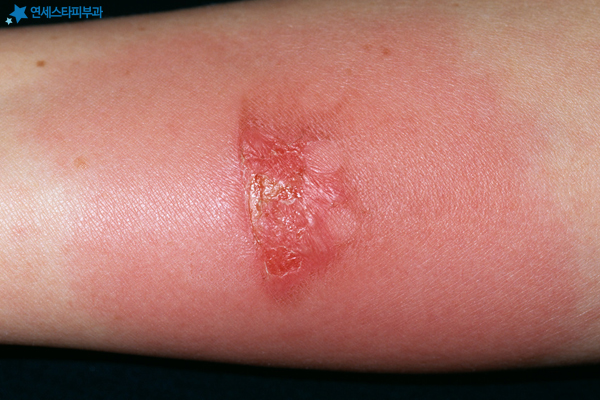
We recommend living carefully near fire or heat and checking your condition without delay if there's a possibility of a scar. If you have similar concerns, inquire via chat for second-degree burn scar treatment consultation

Representative Director Lee Sang-ju (MD, PhD, Yonsei University College of Medicine and Graduate School, completed dermatology residency at Severance Hospital, President of the Korean Dermatological Association) Representative Director Lee Sang-ju Profile First published 2025-12-18 / Last reviewed 2026-06-16
This article provides general information, and as scar conditions and progress can vary from person to person, please consult with medical staff for an accurate diagnosis and treatment plan.