


There are times when you might want to remove a tattoo that you got to express your individuality. Some people may also be considering tattoo removal due to unexpected circumstances.
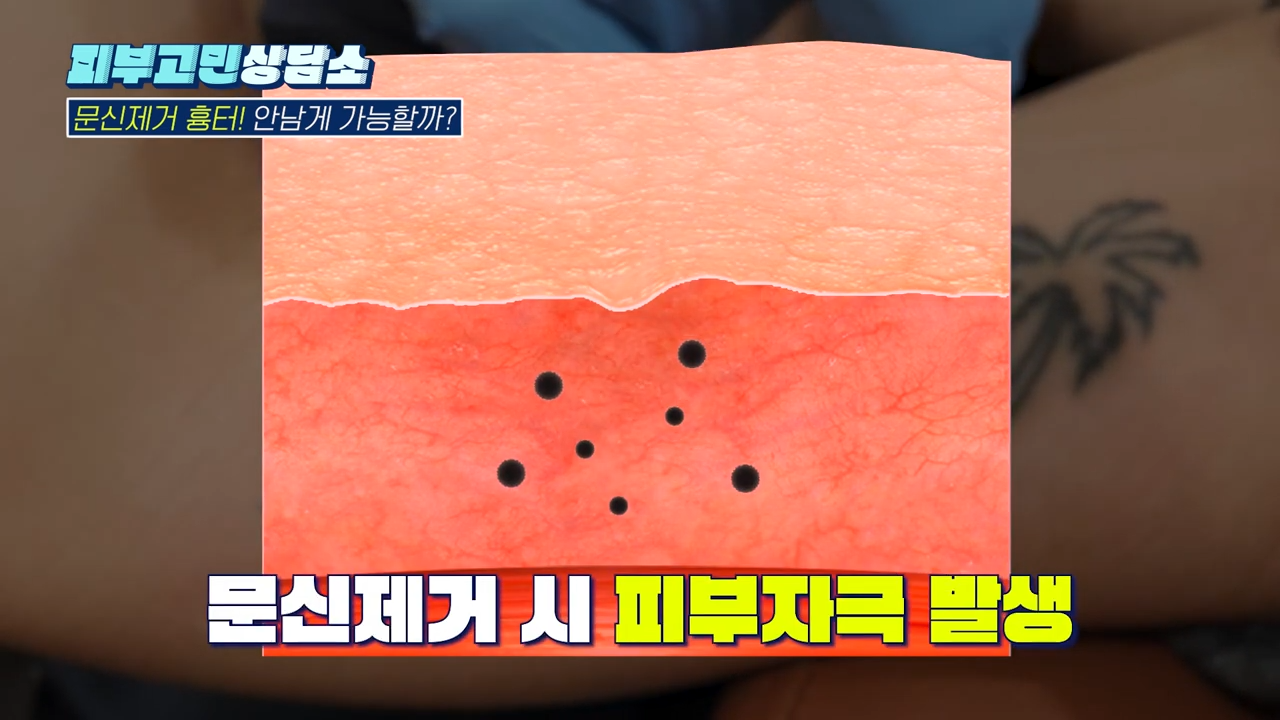
Laser procedures are delicate, and if not performed carefully, side effects such as burns, scars, or pigmentation can occur. We have compiled a list of items to check before and after the procedure for a regret-free tattoo removal.
What to check before starting
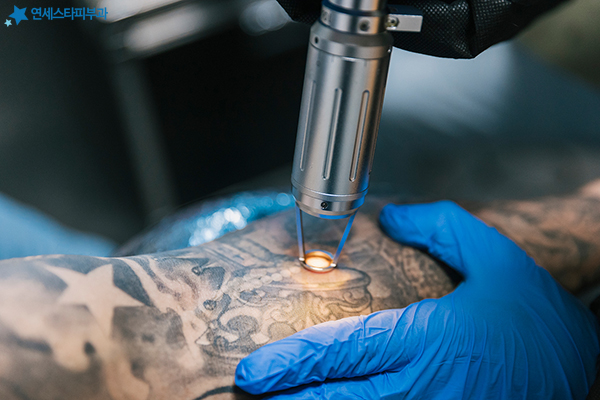
The appropriate laser type and intensity vary depending on the tattoo's color, depth, size, and skin type. This is why choosing a medical team with extensive tattoo removal experience is important.
- Do they thoroughly diagnose the tattoo's condition?
- Do they clearly explain the estimated number of sessions and costs?
- Do they honestly inform you about the possibility of side effects?
The gap between nanoseconds and picoseconds
Pico lasers, as the name suggests, irradiate powerful energy for picoseconds, or one trillionth of a second. They are reported to break down pigment more finely while reducing damage to surrounding skin compared to conventional nano lasers.
There are also increasing numbers of pico devices with various versions. The PicoWay device, which can handle both black and white as well as color tattoos using various wavelengths, is noteworthy. The device configuration is detailed in the R-Zero Pico-Frectat Tattoo Removal guide, and other wavelength methods are summarized in the Nd:YAG Tattoo Removal guide.
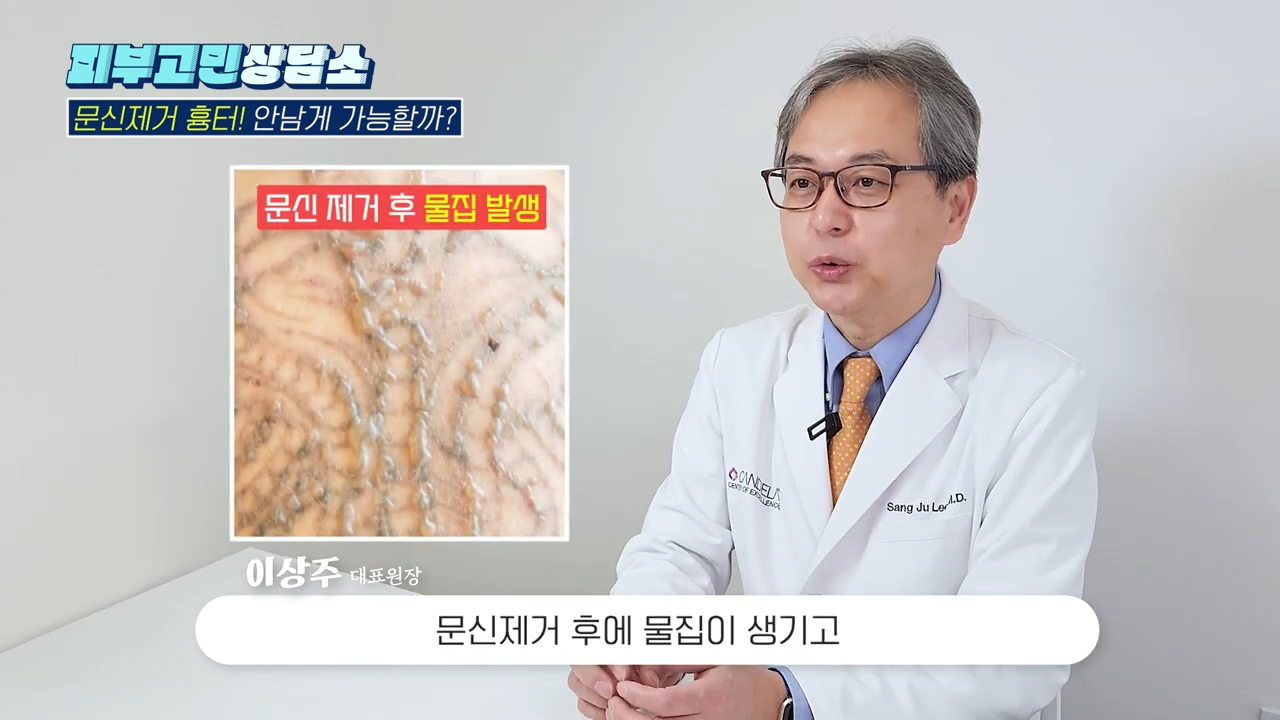
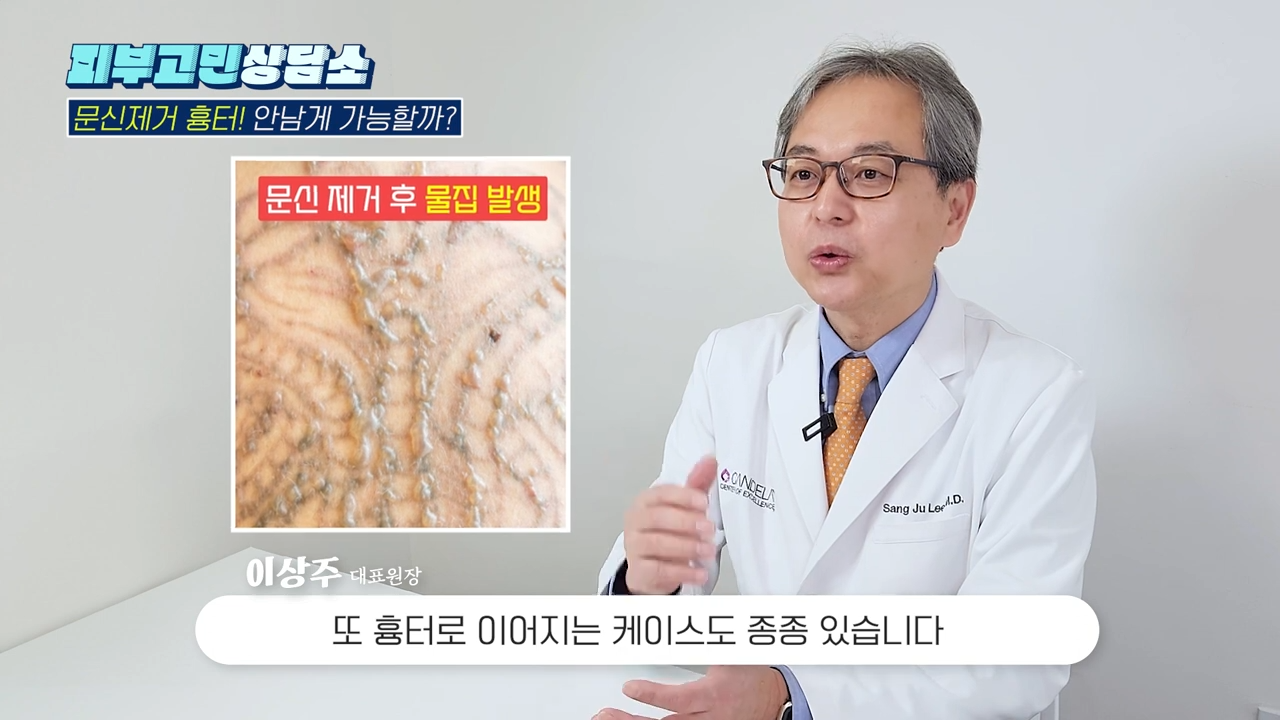
Where blisters form
During the process of tattoo removal, the skin receives a lot of irritation from repeated laser treatments, the operator's technique, and the equipment.
As this is a procedure that is difficult to complete in a short period, it is important to pay attention to various aspects to prevent blisters from forming during laser tattoo removal to achieve safe and satisfactory results.

Removing bubbles and continuing irradiation
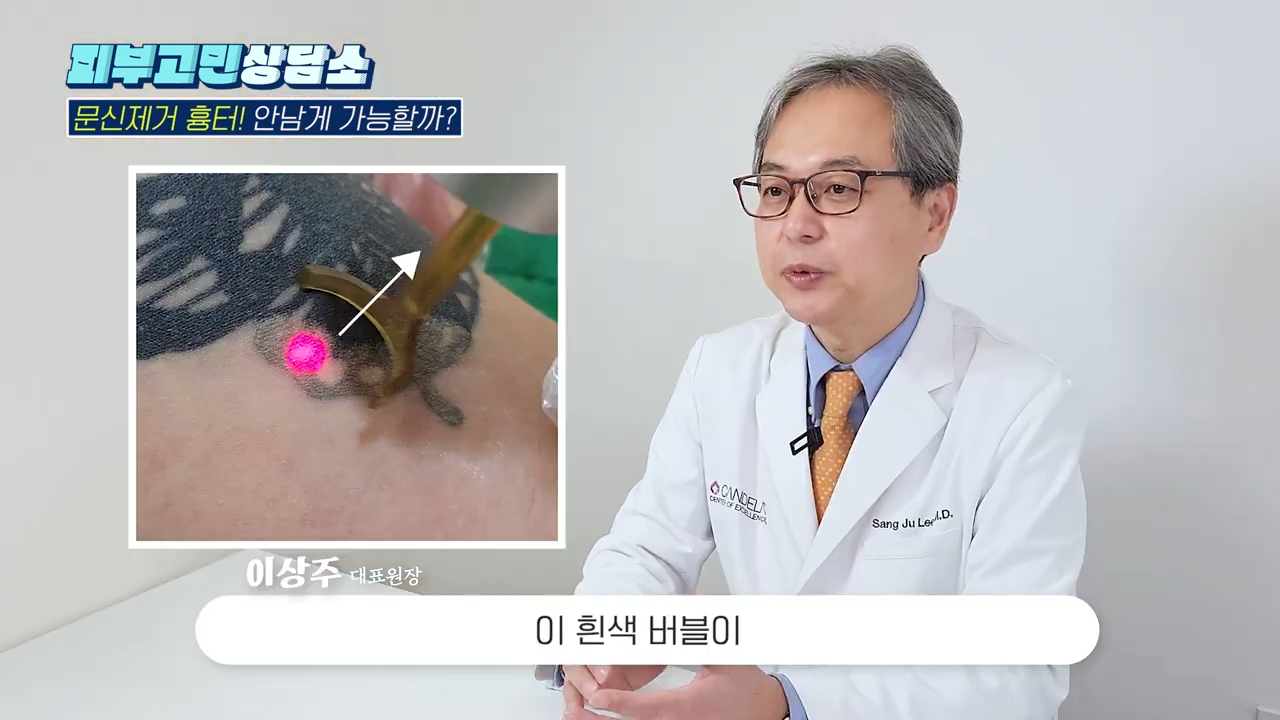
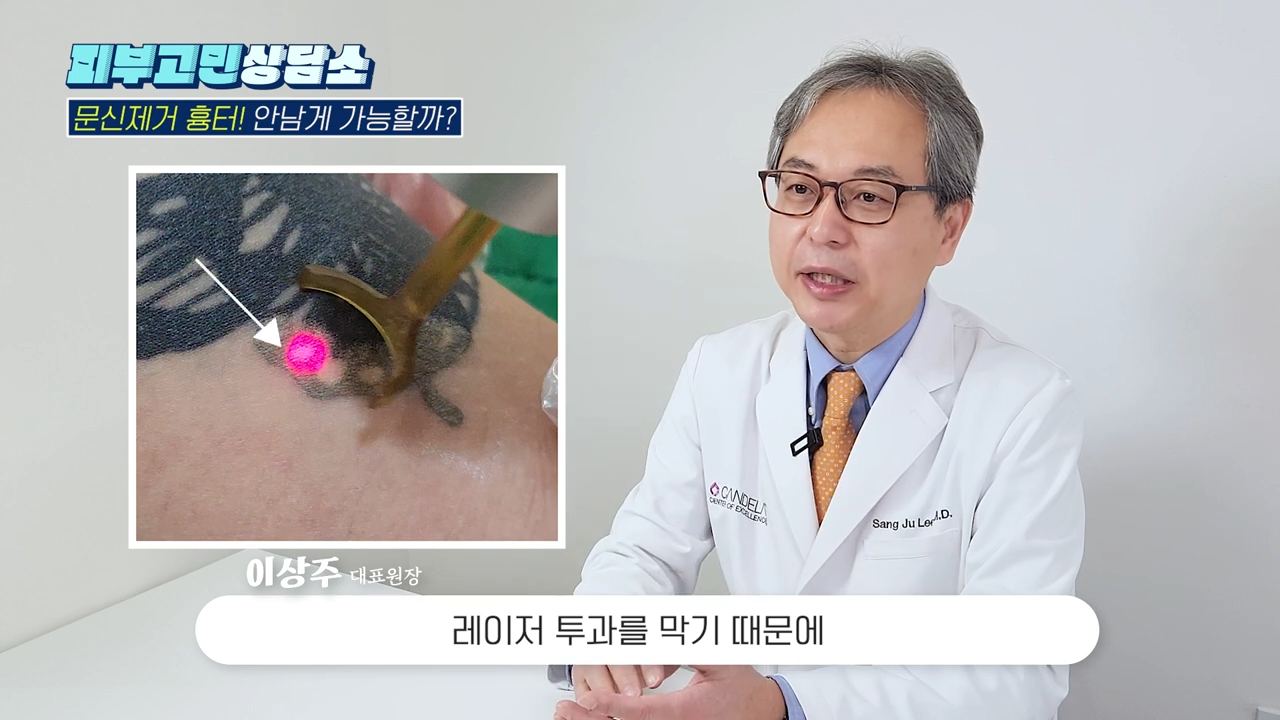
During laser removal, white bubbles appear on the treated area. These bubbles block the penetration of the laser, which typically limited irradiation to once per spot.
The R-Zero Technique, which involves applying a special medication before laser irradiation, has made it possible to irradiate up to four times in a single session.
This can shorten the overall treatment period, naturally reduce skin irritation, and lower the risk of side effects such as blisters.
How to prevent scars in advance
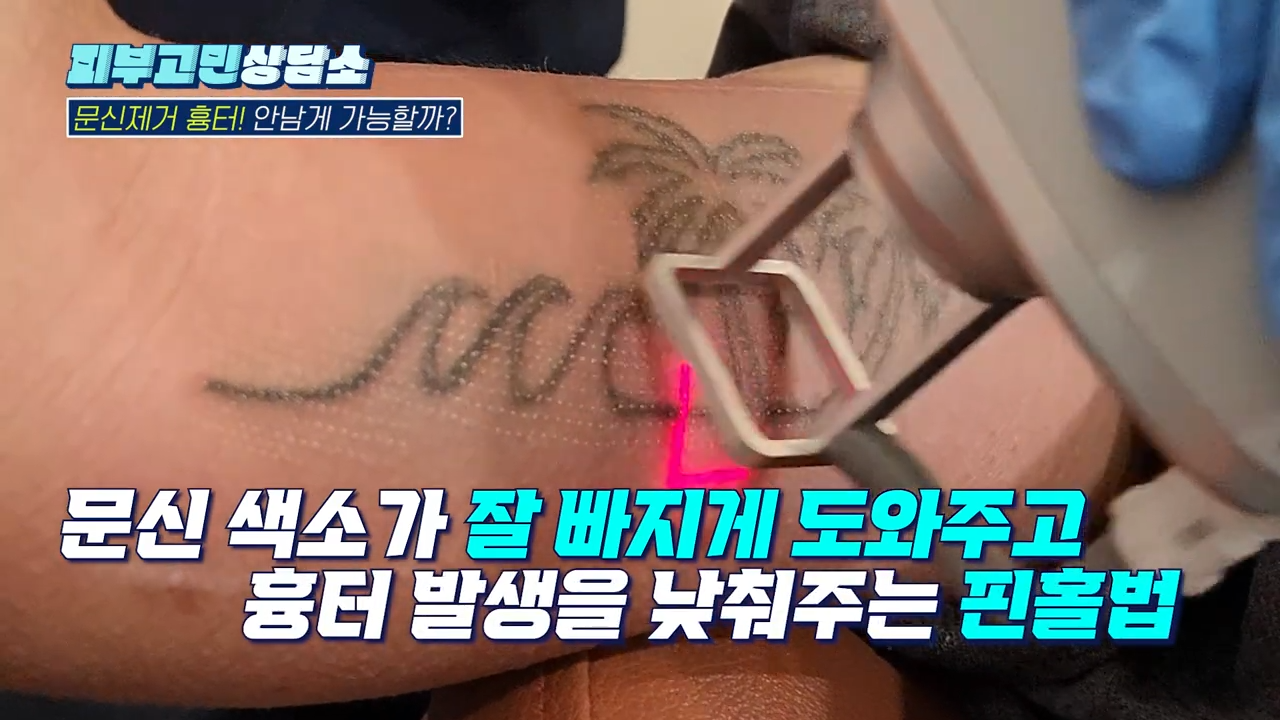
The Pinhole Technique is a laser method known to be effective in scar treatment. When this technique is applied together, it can help pigment removal and reduce the occurrence of blisters and scars. More details can be found in the Pinhole for Burn & Surgical Scar guide.
Post-treatment care summary
| Timing | Care | Reason |
|---|---|---|
| Immediately after treatment | Lightly apply a cold pack wrapped in a clean towel | Relieves redness, swelling, and pain |
| When scabs form | Do not forcibly remove; wait for them to fall off naturally | Prevents scarring and pigmentation |
| If blisters form | Do not pop; minimize irritation | Reduces risk of infection and scarring |
| If a blister pops | Seek immediate treatment at the clinic | To prevent scarring |
| During healing | Use prescribed ointment or regenerative cream | Supports regeneration of weakened skin |
| Throughout recovery | Use sunscreen when outdoors, avoid direct exposure | Blocks a major cause of pigmentation |
It should be viewed as a continuous process
Tattoo removal is not a one-time procedure but a process that takes place over several sessions. It can feel difficult to manage consistently without getting discouraged, but in such cases, adhering to proper procedures and meticulous care is the first step in preventing blisters and scars.
The overall flow can be seen in the Tattoo Removal Treatment guide. Individual differences in recovery response may occur, so if you are concerned about your condition, please let us know by chatting with us now.

Authored and medically reviewed by Representative Director Dr. Lee Sang-joo (Dermatologist) Board-certified Dermatologist · Graduated from Yonsei University College of Medicine and Graduate School · Resident in Dermatology at Severance Hospital Author of Medical Skincare, Skin Barrier View Medical Team Introduction
First published 2025-09-19 · Last reviewed 2026-07-29
This article contains general medical information and does not substitute for individual diagnosis and treatment. Results and recovery progress may vary individually.