


Recently, there has been a noticeable increase in people getting cover-up tattoos to hide scars. This is often because covering a large scar with a skin-colored tattoo can quickly conceal it. However, many people later regret this decision.
Today, we will discuss the actual limitations of cover-up tattoos and important information to know if you decide to remove one.
Three Limitations of Cover-Up Tattoos
| Limitation | What happens |
|---|---|
| Difficult to match skin color exactly | Mixing various pigments and matching by eye can result in an unnatural appearance |
| Skin color changes with each season | Skin darkens with tanning in summer and lightens again in winter, making the tattoo more noticeable |
| Potential for allergic reactions | Mixed pigments may contain ingredients that can cause reactions in certain skin types |

The Process of Color Mismatch
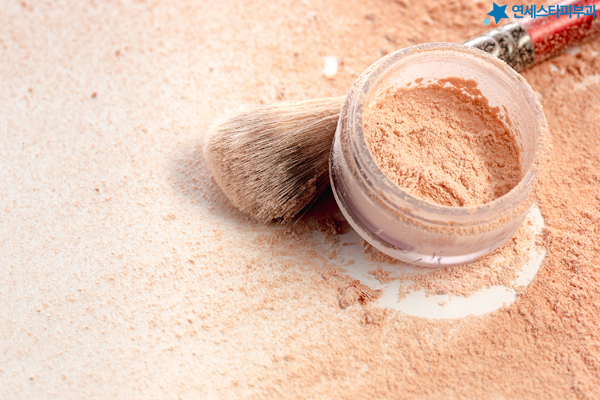
Cover-up tattoos use a mixture of various pigments to create a color similar to the surrounding skin. Since each person's skin color is different and tattoo artists match colors by eye, many people find that even if it looks similar at first, something feels unnatural.
Our skin color changes slightly with the seasons due to UV exposure, temperature, and hydration. A color that matched well immediately after getting the tattoo may become noticeable as the seasons change.
Allergic Reactions Can Prolong the Schedule
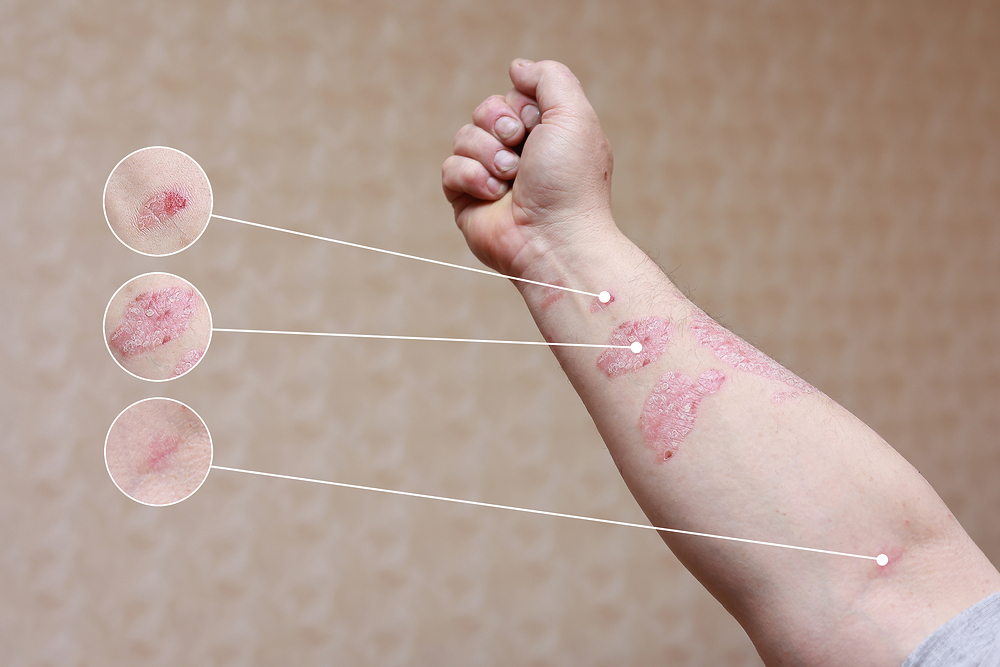
Because various pigments are mixed, there is a possibility that ingredients that can cause allergic reactions in certain skin types may be included.
In such cases, the skin condition must be stabilized before tattoo removal. This can increase the overall management period and cost.
Why Skin-Colored Pigments Are Tricky
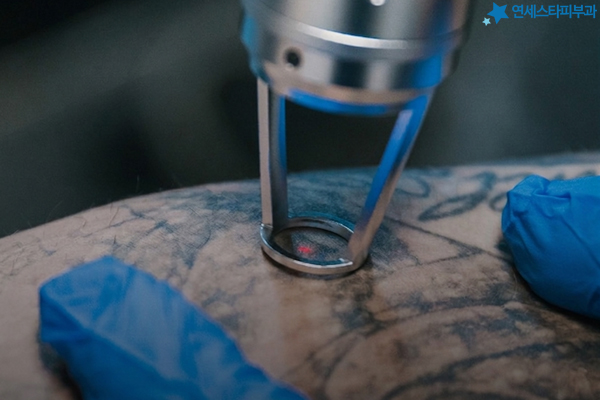
Many people think that all tattoos can be removed with a laser, but the difficulty of removal varies by tattoo type. Skin-colored cover-up tattoos are among the most challenging types of color tattoos to remove.
During the laser procedure, the following changes may occur:
- Skin-colored pigments may darken
- Pigments may turn green when reacting to the laser
Therefore, it is important to receive treatment from medical staff with extensive experience in the procedure.
If you only cover it up, you may later find yourself in a situation where you have to manage both the tattoo and the scar.
Tattoos fade over time, making permanent cover-up difficult. Removing a scar or a tattoo individually requires significant time and effort; dealing with both simultaneously increases the difficulty even further.
How to Increase Efficiency Without Increasing Intensity
The R-Zero Technique is a laser tattoo removal method that uses special medication to gain a time advantage. In typical laser procedures, bubbles form on the skin surface as the pigment breaks down. If these bubbles are present, it is often difficult to re-irradiate immediately, limiting treatment to one pass per session.
The special medication used in R-Zero helps to quickly remove these bubbles. This allows for up to four repeated laser irradiations in a single session, effectively breaking down pigment without excessively increasing intensity. Detailed information is available in the R-Zero Pico-Frectat Tattoo Removal guide.
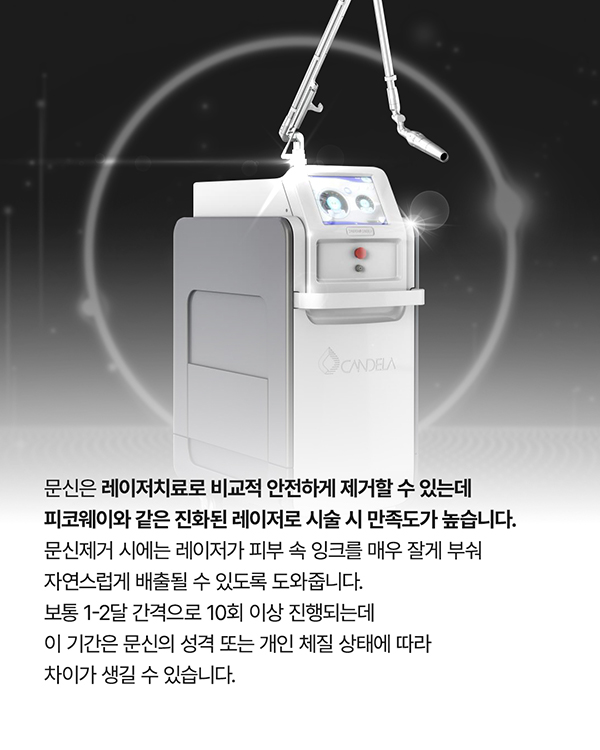
Equipment also plays a crucial role. The PicoWay Laser works by emitting strong light for a very short duration to shatter pigment particles. It aims to break down pigment more finely and reduce the burden on surrounding skin compared to conventional lasers, and it can be used for challenging pigments like skin colors. The treatment effect and number of sessions may vary depending on the individual's skin condition, tattoo color, and depth.
Consult About Your Scar Before Covering It
Dermatology clinics with extensive experience in scar treatment may also combine separate scar prevention care during the final stages of tattoo removal procedures. This is why choosing medical staff experienced in scar treatment is important. Related procedures can be found in the Pinhole for Burn & Surgical Scar guide.
Cover-up tattoos may seem like a quick solution, but they often create long-term concerns. If you are worried about a scar, we recommend consulting first rather than opting for a cover-up. You can find information on the treatment process in the Tattoo Removal Treatment Guide and continue your consultation by chatting with us now.

Authored and Medically Reviewed by Chief Director Dr. Lee Sang-Joo (Board-Certified Dermatologist) Graduated from Yonsei University College of Medicine · Ph.D. in Medicine from Yonsei University Graduate School of Medicine · Former Chief of Dermatology at National Police Hospital Currently Adjunct Professor, Department of Dermatology, Yonsei University College of Medicine · Author of Skin Barrier, The Acne Bible View Medical Staff Profile
First Published 2026-04-07 · Last Reviewed 2026-07-29
This article contains general medical information and does not substitute for individual diagnosis and treatment. Results and recovery may vary by individual.