

Dark Pigmentation Is Not All the Same
When dark, dull brown or black spots start to appear on the face, one by one, it can make your expression look gloomy and make you appear older than your actual age. Even if it doesn't pose a major health threat, it's a concern you'd want to erase as quickly as possible. However, upon closer inspection, these seemingly similar pigmentations, lentigo and seborrheic keratosis, are distinctly different conditions.
The first question new patients often ask is, "Is this lentigo or seborrheic keratosis?" To put it simply, they differ in their location, thickness, and treatment approach, and an accurate distinction is the starting point for treatment.
How Do Lentigo and Seborrheic Keratosis Differ?
Lentigo is characterized by small, flat brown spots that typically appear on the skin's surface. Similar to other pigmentary issues, it can be caused by UV exposure or genetic factors and may darken over time. It often appears after the age of 40 and is also referred to as age spots.
Seborrheic keratosis appears as brown or dark brown spots and commonly develops on sun-exposed areas like the face or back of the hands. In some cases, the surface may appear raised.
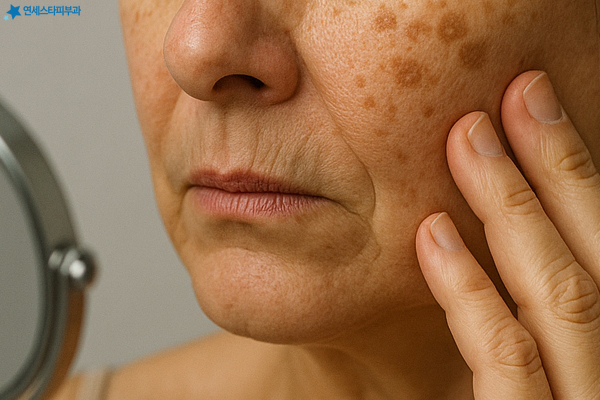
The differences between these two pigmentations are summarized at a glance below:
| Category | Lentigo | Seborrheic Keratosis |
|---|---|---|
| Surface Shape | Generally flat | Flat or sometimes raised |
| Depth | Primarily epidermal | Can be relatively deeply embedded |
| Common Areas | Face, exposed areas | Face, back of hands, other sun-exposed areas |
| Occurrence Tendency | Increases after age 40 | Increases with age |
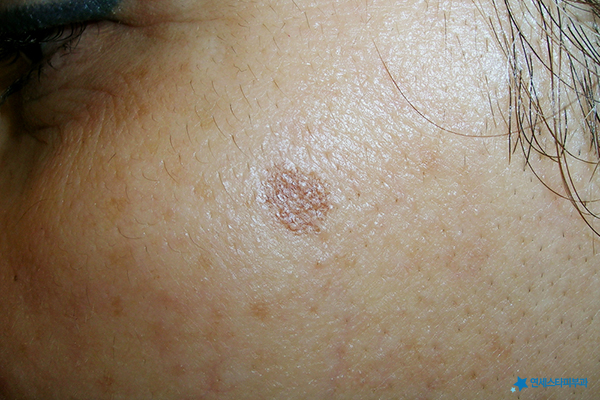
As such, while lentigo and seborrheic keratosis may give a similar impression, there are clear differences. However, it is often difficult for the average person to accurately distinguish them based on appearance alone, and both issues can sometimes appear in combination. Therefore, it is safer to receive a precise diagnosis from a specialist and proceed with treatment accordingly. If you have similar pigmentation concerns, you may also find it helpful to review information on Epidermal Pigment Removal.
How Does RePott Laser Work?

Recently, more people are choosing RePott Laser pigment treatment. RePott Laser precisely targets melanin lesions on the epidermis with strong energy. It tends to minimize damage to surrounding skin, resulting in less burden and faster recovery, making it an option for those who wish to address lentigo or seborrheic keratosis while maintaining their daily lives.
While lentigo is usually flat, seborrheic keratosis often has a raised surface. In such cases, combining RePott Laser with a skin-resurfacing laser can help reduce the raised areas and improve treatment satisfaction.
Even if pigmentary disorders look similar, the treatment strategy changes depending on the diagnosis. A precise diagnosis is half the battle.
Just as important as diagnosis is pre-treatment assessment. Confirming whether the cause of your pigmentation issue is thoroughly understood, if the environment allows for precise application of various equipment, and if the process is conducted safely, is the starting point for effective removal.
If you are curious about the direction of pigment treatment, please use chat consultation regarding lentigo and seborrheic keratosis pigment treatment.
Are the Treatment Processes for Lentigo and Seborrheic Keratosis Different?

As explained earlier, seborrheic keratosis is often embedded deeper in the skin and frequently has a raised surface. Therefore, its removal may take longer compared to lentigo.
When treating lentigo with RePott Laser, good results can often be expected with 1-2 sessions. In contrast, for seborrheic keratosis, additional sessions or combining with other lasers may lead to better outcomes. However, individual responses and recovery speeds can vary, so the number of sessions will be determined after diagnosis.

In the clinic, we often see many individuals with a mix of lentigo and seborrheic keratosis on their faces. Even though they may appear as similar brown spots, each has distinct characteristics and differences in treatment. Therefore, an accurate diagnosis to distinguish what is where is paramount.
Things Often Overlooked in Post-Treatment Care

Pigmentary disorders often recur, and factors like UV radiation that re-stimulate pigmentation are close at hand in daily life. Therefore, post-treatment lifestyle management is as crucial as the procedure itself in determining the outcome. It's good to remember the following points:
- Apply sufficient sunscreen before going out and reapply frequently.
- Do not forcibly remove scabs that form on the treated area.
- Avoid excessive friction or irritation during the recovery period.
- Maintain adequate hydration to aid skin barrier recovery.
- If new pigmentation or changes are observed, seek medical consultation instead of self-diagnosing.

It is reported that treatment effects last longer when supported by such care. If you are also concerned about blemishes or freckles, an approach that builds a foundation with Customized Whitening Solution for melasma and pigmentation is also available.

Accurate Diagnosis Comes First
Lentigo and seborrheic keratosis are pigmentary disorders that may appear similar at first glance, but they differ in surface shape, depth, and treatment approach. Therefore, rather than immediately thinking of laser treatment, the priority is to diagnose what kind of pigmentation you have. RePott Laser is an option that precisely targets epidermal pigmentation while reducing recovery burden, and in cases of raised lesions like seborrheic keratosis, it may be combined with other lasers.

If you want to confirm whether your pigmentation is lentigo or seborrheic keratosis, and what treatment is right for you, feel free to ask below.
💬 Consult NowChief Director Lee Sang-ju (MD, PhD, Yonsei University College of Medicine and Graduate School, Completed Dermatology Residency at Severance Hospital, President of the Korean Dermatological Association) Chief Director Lee Sang-ju's Profile First Published 2025-09-12 / Last Reviewed 2026-06-16
This article is intended to provide general information, and there may be individual differences in the type of pigmentation and treatment response. An accurate diagnosis and treatment plan should be determined through consultation with medical staff.