
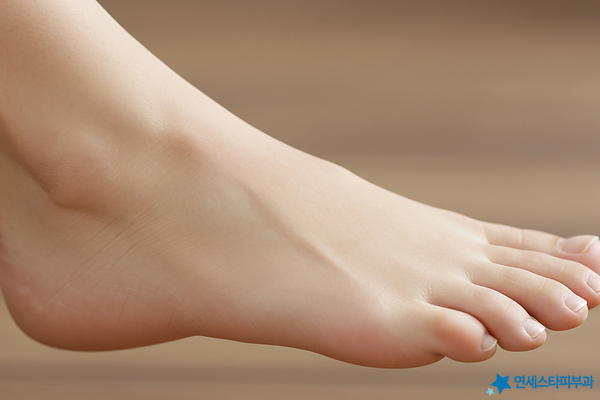
The instep is an area where tattoo removal tends to be quite painful. This is because it has little fat and thin skin, yet many nerves are connected there.
Rather than large tattoos like on the thighs or arms, mini tattoos are often placed here. Since both getting and removing a tattoo in this area can be painful, we recommend making a careful decision.
An Area That Gets Covered, Yet Often Touched
When wearing socks or shoes, instep tattoos are relatively well-hidden. However, this also means the skin in this area is frequently irritated. This is why meticulous care is needed during the removal process.
| Item | Instep Conditions |
|---|---|
| Fat Layer | Relatively thin |
| Skin Thickness | Thin |
| Nerve Distribution | Many nerves connected |
| Tattoo Size | Often mini tattoo form |
| Usual Exposure | Generally covered by socks and shoes |
| Irritation Frequency | Often irritated by friction |
A Process That Doesn't End in One Session
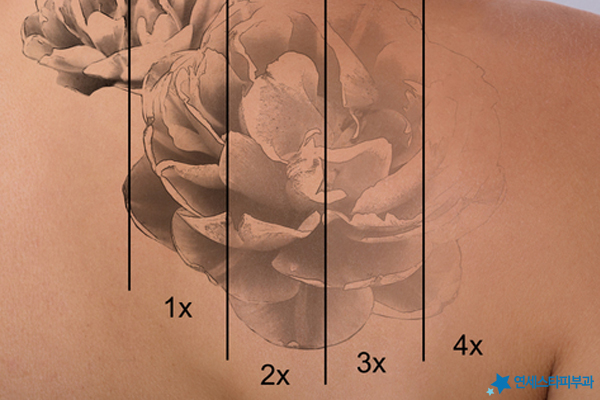
Laser tattoo removal is not a one-time procedure. If it's a color tattoo with multiple shades, the removal process becomes even more complex.
Therefore, not only post-procedure care but also the type of equipment used significantly affects the outcome.
Different Wavelengths Absorbed by Each Color
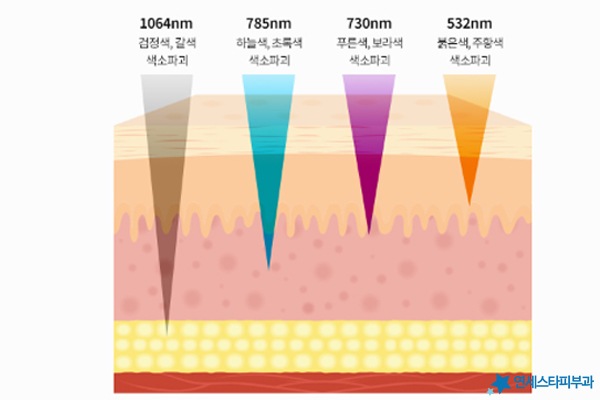
The laser light directed at a tattoo is absorbed differently depending on the color. This is why some colors take an unusually long time to remove and are stubborn.
Even for the same color, results can vary, with the following factors playing a role:
- Ink concentration
- Ink ingredients
- Depth of the tattoo
- Skin condition of the area to be removed
Energy Delivery Transitioned from Nanoseconds to Picoseconds
Picosecond lasers, which deliver energy about 1000 times faster than conventional nanosecond lasers, are gaining attention. PicoWay uses ultra-short pulses and allows for the selection of multiple wavelengths from a single device, making it suitable for color instep tattoos.
However, since conditions vary for each individual, it is better to proceed with a detailed diagnosis by a dermatologist and establish a plan before starting the procedure, rather than going straight into treatment. You can compare equipment configurations in the R-Zero Pico-Frectat Tattoo Removal guide and Nd:YAG Tattoo Removal.
The Challenge Left by Cover-Ups
There's one more situation to be mindful of: cover-up tattoos.
Tattoos settle in layers across various skin depths. A cover-up, which superficially adds color over an existing tattoo, ultimately increases the amount that needs to be removed.
It is safer to start with a laser method that gradually breaks down and expels ink particles step by step, even if it takes time.
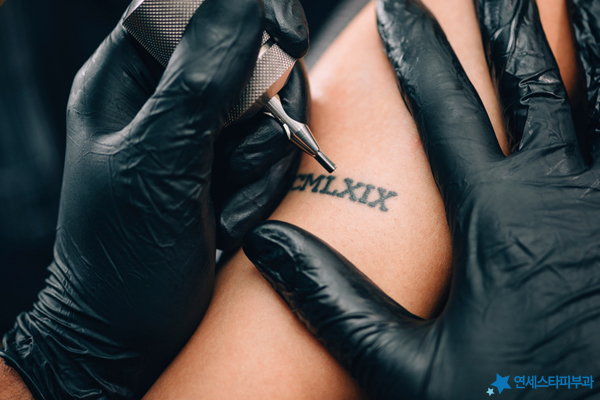
Judgment Before Equipment
Removal is not achieved in a short period. As lasers are repeatedly applied, the irritation to the skin must also be considered.
While utilizing advanced equipment like PicoWay is necessary, choosing a practitioner with extensive knowledge and experience in lasers and skin is even more important. The sequence of consultations is outlined in the Tattoo Removal Treatment Guide.
Review Before Speed
Realistically, significantly reducing the time required for instep tattoo removal is difficult. Rather than prioritizing speed, we recommend choosing a place that can proceed with a lower risk of side effects by comprehensively reviewing detailed factors such as ink color, concentration, and skin condition.
If you need a consultation, please feel free to contact us via chat now.


Authored and Medically Reviewed by Dr. Jinmoon Kang, Chief Director (Dermatologist) Currently an Adjunct Professor at Yonsei University College of Medicine, Department of Dermatology · Former Professor at Bundang CHA Hospital · Resident in Dermatology at Severance Hospital Member of the Korean Dermatological Association · Member of the Korean Association of Dermatologists · Author of "Medical Body Care" View Medical Staff Profile
First Published 2025-12-29 · Last Reviewed 2026-07-29
This article contains general medical information and is not a substitute for individual diagnosis and treatment. Results and recovery progress may vary among individuals.