

When you discover a firm, raised scar where a wound has healed, many people first ask, "Is this a keloid, or a hypertrophic scar?" These two types of scars look very similar and are easily confused, but there are clear differences in their underlying causes and treatment approaches.
Scar types are categorized based on their cause, appearance, and skin condition, and treatment methods vary accordingly. This article outlines the criteria for distinguishing between these two types of raised scars and their treatment directions.
Why Are Raised Scars Divided into Two Types?
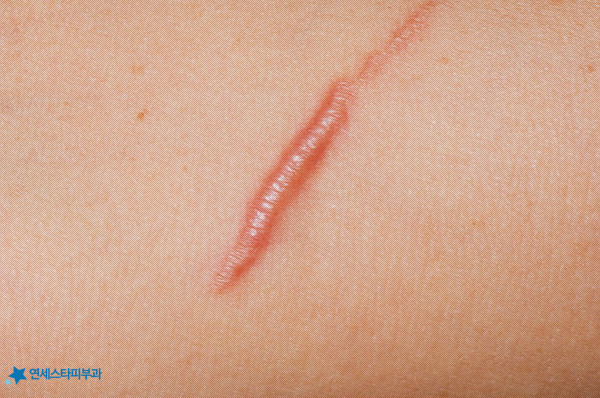
When looking at scars that rise above the skin, some are called keloids and others are called hypertrophic scars. Because their outward appearance is very similar and their treatment processes follow similar stages, many people confuse the two.
In the clinic, it's not uncommon for patients to spend a long time worrying without distinguishing between the two scars. However, accurately identifying the type is the first step in determining the direction of improvement.
Common Characteristics of Raised Scars
Unlike typical scars, these scars appear raised above the skin. They are firm and reddish, and their irregular surface can make the skin feel rough.
However, they do not always cause discomfort such as pain or itching, and with appropriate treatment, they are reported to gradually improve over time. As there can be individual differences, it is important to continuously observe the scar's changes.
Keloids: Scars That Spread Beyond the Wound Area

When a raised scar appears, many people worry about keloids. While they form due to factors like trauma, surgery, burns, or inflammation, similar to general scars, the most distinct difference lies in genetic factors.
Keloid scars tend to form in individuals with a specific predisposition. If not treated promptly, they can spread and proliferate beyond the wound area, potentially worsening over time. The risk of recurrence is also high, making treatment quite challenging. Reviewing Keloid Scar Characteristics and Management can help you assess your own type.
Hypertrophic Scars: Scars That Remain Within the Wound Area

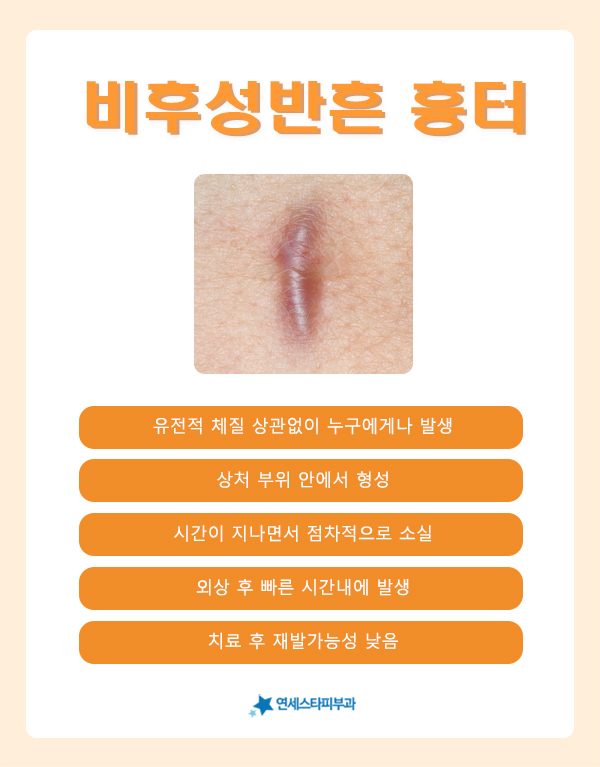
Outwardly, hypertrophic scars may look like raised scars, identical to keloids, but they develop differently. Carefully observing any changes in the wound area is key to distinguishing between the two scars.
The biggest difference between the two scars is whether the scar remains within the wound boundary or spreads beyond its borders to the surrounding area.
| Classification | Keloid | Hypertrophic Scar |
|---|---|---|
| Spreading Range | Spreads beyond wound boundaries to surrounding areas | Confined within the original wound area |
| Constitutional Influence | Strongly influenced by genetic predisposition | Relatively less influenced |
| Recurrence Tendency | Higher risk of recurrence | Relatively lower risk of recurrence |
If you are confused about which type your scar is closer to, comparing it with the information on Cosmetic Surgery Scar Characteristics and Management may be helpful.
How Is Treatment Conducted?

Keloids are much more challenging to treat than hypertrophic scars due to constitutional factors and the possibility of recurrence. Typically, injection therapy containing triamcinolone is used. While it is widely utilized for its relatively simple ability to reduce the height of raised scars, many patients report pain during treatment, and its effectiveness as a standalone treatment is often insufficient. If you are curious about the treatment process, please refer to Triamcinolone Scar Injection.
Yonsei Star Dermatology Sinchon conducts treatment in the following ways:
- Low-pain injection therapy to reduce treatment burden
- Combined treatment using both injections and laser therapy
- Customized approach tailored to scar type and skin condition
- Follow-up observations and additional management to suppress recurrence
In cases of severe proliferation or extensive areas, Surgical Scar Revision may also be considered.
For inquiries, please contact us for scar type and treatment consultation
Important Points to Check Before Scar Management

Today, we've summarized the types of raised scars, their respective characteristics, and treatment directions. We hope this article has helped you to some extent in distinguishing between the two types of scars.
Quickly identifying your scar type allows for faster determination of the improvement direction, so it's best to identify the type before treatment. If you are concerned about burn scars, also check Burn Scar Characteristics. If you still find it difficult to determine the type or feel challenged by treatment, please do not hesitate to contact Yonsei Star Dermatology Sinchon at any time.

Yonsei Star Dermatology Sinchon Main Branch Representative Phone: 02-332-0023
💬 Consult Now
We will do our best to provide a satisfying treatment outcome. Thank you.
Chief Director Lee Sang-joo (MD, PhD, Yonsei University College of Medicine and Graduate School, Completed Dermatology Residency at Severance Hospital, President of the Korean Dermatological Association) Chief Director Lee Sang-joo's Profile First Published 2024-12-18 / Last Reviewed 2026-06-16 Scar appearance and response vary by individual, so please confirm an accurate diagnosis and treatment plan through consultation with medical staff.