


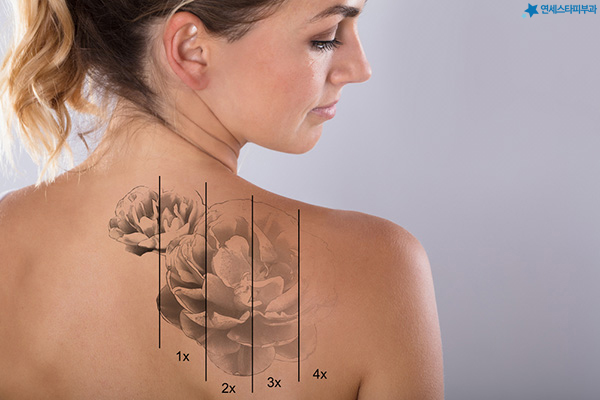
Once a tattoo is etched, it cannot be removed in a short period. Since the pigment is located deep in the skin, it is difficult to remove with just one or two treatments.
Because laser treatment can take several months at minimum, and over a year at maximum, many people give up midway. While changes may not be immediately noticeable at first, the final results can vary greatly depending on how consistently the treatment is managed and what equipment is used.
Even for the same tattoo, the outcome varies depending on the equipment
Tattoo removal is mostly based on laser procedures. Even for the same tattoo, the effectiveness, safety, and extent of skin damage can vary depending on the equipment used.
- The more diverse the colors, the longer the treatment period may be.
- If the tattoo is deeply etched, the number of sessions may increase.
- The duration also varies depending on the location of the tattoo.
When considering both the number of treatments and the recovery speed, these are essential factors in choosing a dermatology clinic.
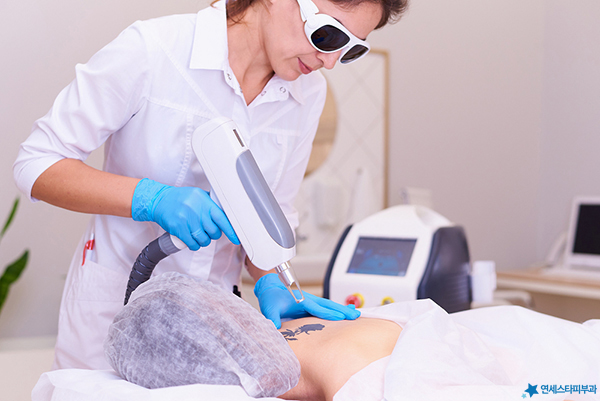
The difference between nanoseconds and picoseconds
While existing nanosecond-unit lasers, which were widely used, can yield good results, the long-term treatment period was a burden.
This concern has been somewhat alleviated with the advent of ultra-high-speed picosecond-unit lasers. These can break down pigment more finely, which may lead to reduced skin damage, lower risk of scarring, and faster recovery.
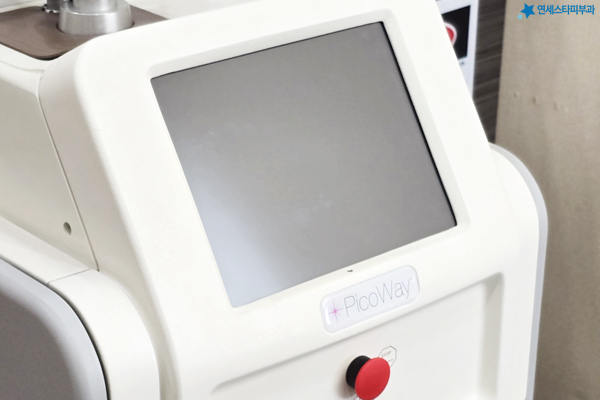
The range expanded by wavelength handpieces
PicoWay is known as a picosecond laser with a wide range of applications. Its ability to finely adjust multiple wavelength handpieces means fewer restrictions on the depth and color of tattoos that can be treated.
This is a point worth checking if the tattoo has various colors or if the pigment is deeply embedded in the skin.
The wavelength configuration and treatment method are detailed in R-Zero Pico-Frectat Tattoo Removal, and other approaches are summarized in Nd:YAG Tattoo Removal.
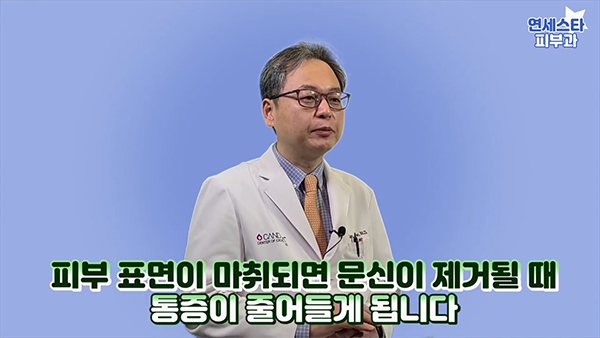
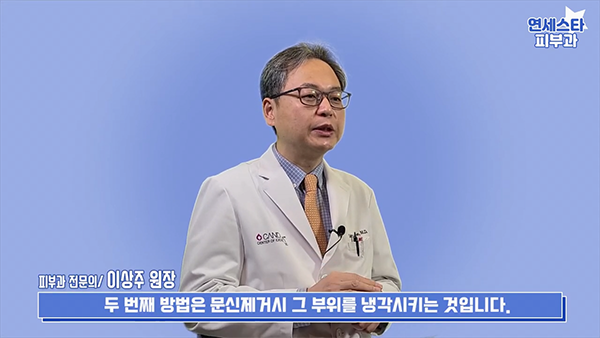

Why results differ even with the same equipment
Even with the same equipment, results can vary depending on the practitioner's skill. Tattoo removal is not a short procedure, and customized treatment is necessary depending on skin condition and pigment type.
Many people also worry about skin damage due to repeated treatments. It can be helpful to check how each clinic addresses this issue and what kind of management they provide to minimize irritation.
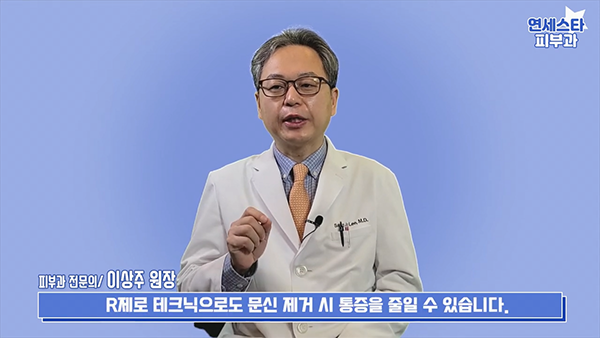
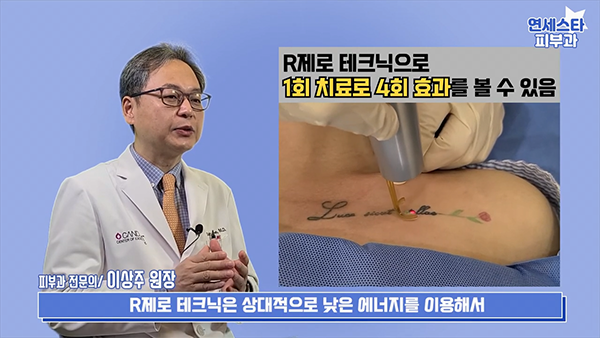
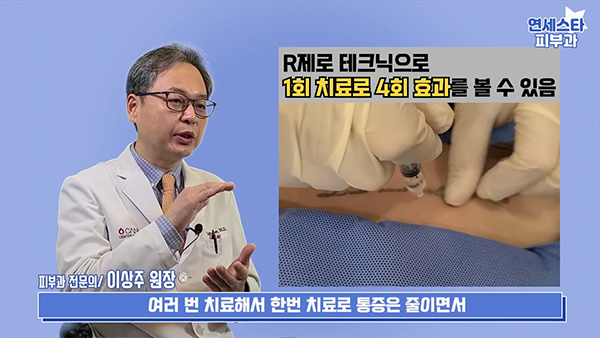
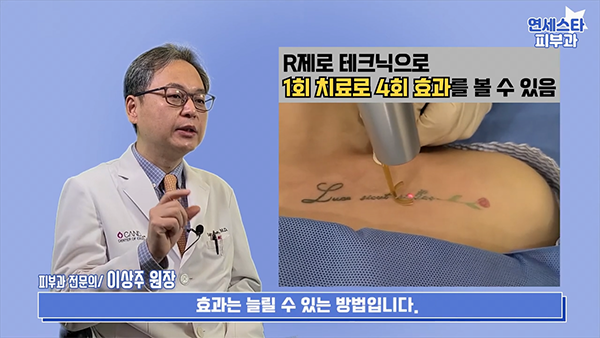
R-Zero: Up to four laser passes at once
R-Zero is a special technique that allows for up to four laser applications at once, in conjunction with a picosecond laser. It has the characteristic of accelerating the treatment process by providing the effect of multiple laser sessions in a single treatment.

Clinic selection checklist
| Check Item | Why it matters |
|---|---|
| Equipment used | Affects effectiveness, safety, and extent of skin damage |
| Practitioner's skill | Results vary even with the same equipment |
| Cooling management | Maintains skin temperature to prevent overheating during treatment |
| Scar prevention | Checks if attention is paid to potential scars during the process |
| Customized plan | Varies depending on skin condition and pigment type |
Scar prevention treatment can be found in Pinhole for Burn & Surgical Scar, and the overall treatment flow is detailed in Tattoo Removal Treatment Guide. If you need a consultation, please use Chat with us now.

Authored and Medically Reviewed by Representative Director Dr. Jinmoon Kang (Board-Certified Dermatologist) Board-Certified Dermatologist · Graduated from Yonsei University College of Medicine · Severance Hospital Dermatology Resident Former Professor at Bundang CHA Hospital · Current Adjunct Professor at Yonsei University College of Medicine, Department of Dermatology View Medical Staff Profile
First Published 2025-09-12 · Last Reviewed 2026-07-29
This article contains general medical information and is not a substitute for individual diagnosis and treatment. Results and recovery progress may vary by individual.