

Giving birth to a child after a long wait is an immense joy and a moment that deserves to be fully celebrated. However, for those who have had a C-section, the scar left on the abdomen during recovery often leads to new concerns. The most common question we hear in the consultation room is, "Should I get injections, laser, or surgery for this scar?" To put it simply, for keloid-prone scars, a combination of treatments tailored to the condition is generally recommended rather than relying on a single method.

Why C-Section Scars Turn into Keloids
Unlike typical scars, keloids tend to grow larger and thicker, making them more noticeable. During the healing process, tissue grows excessively, turning red and firm, often accompanied by itching or pain in the affected area. Therefore, many people seek various treatment options.
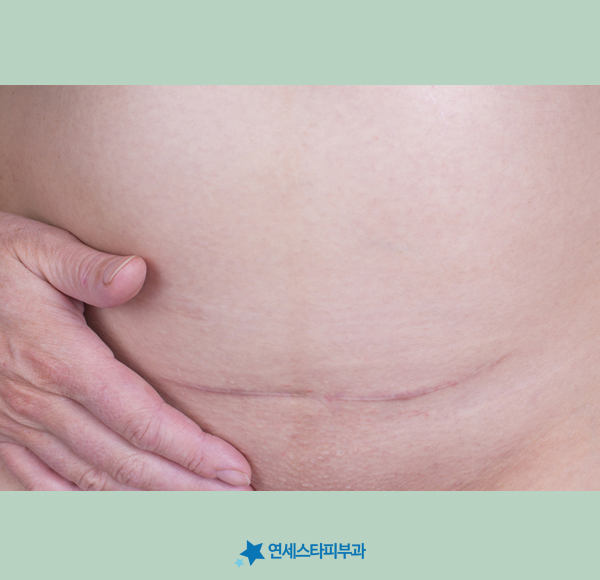
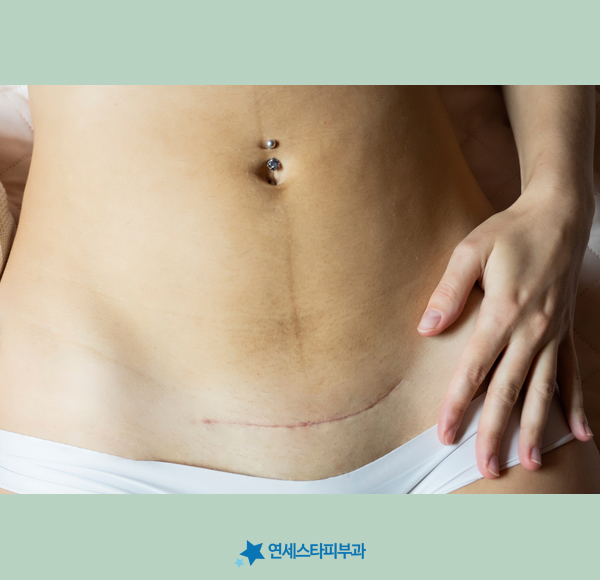
A C-section typically involves a long incision, either horizontal or vertical, across the lower abdomen, leaving a linear mark. Initially, it starts as a thin, reddish wound, but over time, the line may swell and harden, sometimes forming a thick, raised scar resembling a worm along the incision. Due to its location, it's prone to skin irritation when wearing clothes and can be a constant visual reminder, leading to emotional distress during the postpartum period. If you need a general understanding of such scars, reviewing the content on Characteristics and Management of Keloid Scars may be helpful.
Scar or Keloid? What to Look For
It's important to consistently observe changes in the scar's appearance between three and six months after childbirth. While some may naturally fade, others may grow larger depending on individual constitution, so monitoring the direction of change is key.
If the redness intensifies, and the incision line swells and hardens, it's time to suspect keloid-like changes rather than a simple scar.
If the following changes occur, it's better to seek medical consultation rather than waiting for natural recovery:
- When the incision line thickens and swells over time
- When the underlying tissue doesn't heal well and protrudes outwards
- When itching or pain in the affected area is bothersome enough to disrupt daily life
- When you typically scar easily from minor injuries
- When management with patches or ointments doesn't improve the condition and it actually grows larger
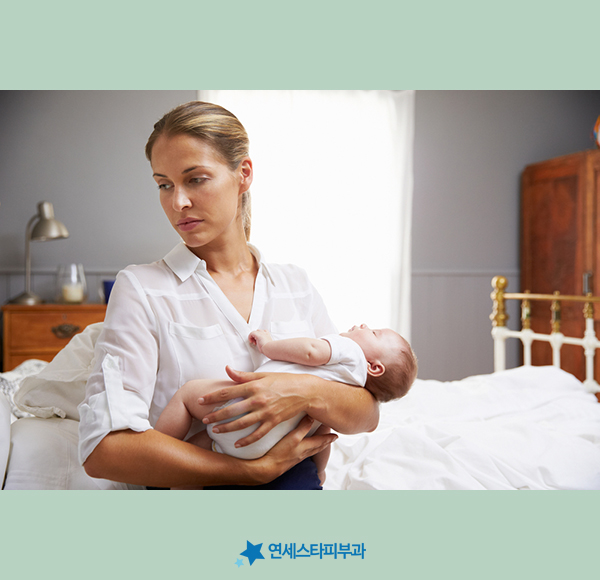
Initial Home Care Methods
Post-surgical care often determines the final appearance of the scar. Even if you don't usually scar easily, a C-section involves a deep incision, so changes can occur, requiring careful monitoring of the recovery process.
- Avoid clothes made of irritating materials and reduce friction
- Keep the area clean and dry to prevent infection
- Use silicone patches to reduce external irritation
- Apply sunscreen diligently to prevent pigmentation

However, patches or ointments alone cannot resolve all situations. If, despite these efforts, the skin doesn't heal well, and the underlying tissue protrudes and begins to swell significantly, it's time to consider professional treatment.
Please feel free to ask any questions via chat consultation regarding C-section scars.
How Do Injections, Lasers, and Surgery Differ?
Each treatment method for keloid-prone scars targets different aspects. The table below summarizes the three commonly considered approaches.
| Method | Primary Role | Considerations |
|---|---|---|
| Triamcinolone Scar Injection | Flattens raised tissue and alleviates itching and pain | May have limited effectiveness alone |
| Laser Treatment | Addresses redness, surface texture, and pigment changes | May require multiple sessions |
| Surgical Scar Revision | Directly excises overgrown tissue | Recurrence is reported depending on individual constitution |
Surgical removal alone may lead to recurrence, and compression or injections alone often have minimal effects. Therefore, rather than sticking to a single method, a combination of Triamcinolone Scar Injection that directly acts on the scar area and laser treatment is recommended. If the thickened tissue itself is the primary concern, Surgical Scar Revision may also be considered.
What are the Treatment Timing and Duration?
Combination treatment typically involves about 5 sessions at one-month intervals, with the plan adjusted based on the condition. The starting point is crucial.
If treatment begins in the early stage when the scar is still reddish, improvement rates of 70-80% are reported, and treatment satisfaction tends to be high.
However, it's important to remember that there can be individual differences in all outcomes, so results may vary even if treatment starts at the same time. If you're curious about the recovery process of surgical scars, you can review it beforehand.

Things to Know in Advance
It's often difficult to predict in advance whether a C-section scar will develop into a keloid. However, early and prompt intervention can lead to significant recovery. If you are prone to scarring, monitor changes in the wound area more closely after surgery, and if you notice even minor changes, it's safer to have your condition checked by a medical professional rather than self-diagnosing.

We hope this information serves as a small guide for mothers who are anticipating a C-section or are feeling overwhelmed by scars after childbirth. If keloid tendencies are suspected, not missing the optimal treatment window is paramount.
💬 Chat for consultation now
Chief Director Lee Sang-joo (MD, PhD, Yonsei University College of Medicine and Graduate School, completed dermatology residency at Severance Hospital, President of the Korean Dermatological Association) Chief Director Lee Sang-joo's Profile First Published 2024-12-06 / Last Reviewed 2026-06-16
This content provides general information for understanding and the pattern and recovery of scars may vary for each individual. Therefore, please consult with medical staff for an accurate diagnosis and treatment plan.