
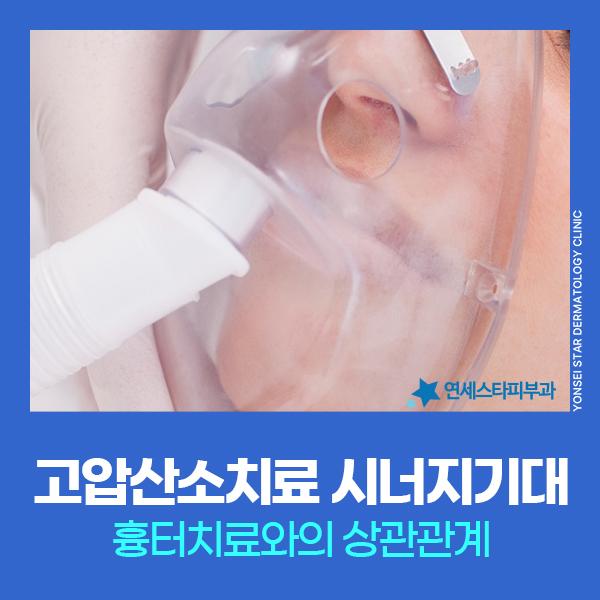
After Scar treatment, it's easy to think, "Now all I need to do is manage it well." However, just as important as the Scar treatment itself is how well the skin recovers afterward. Hyperbaric Oxygen Therapy is currently gaining attention as a way to support this recovery environment. Let's explore what role Hyperbaric Oxygen Therapy plays in skin recovery and what can be expected when combined with Scar treatment.

Principle of Hyperbaric Oxygen Therapy (HBOT)
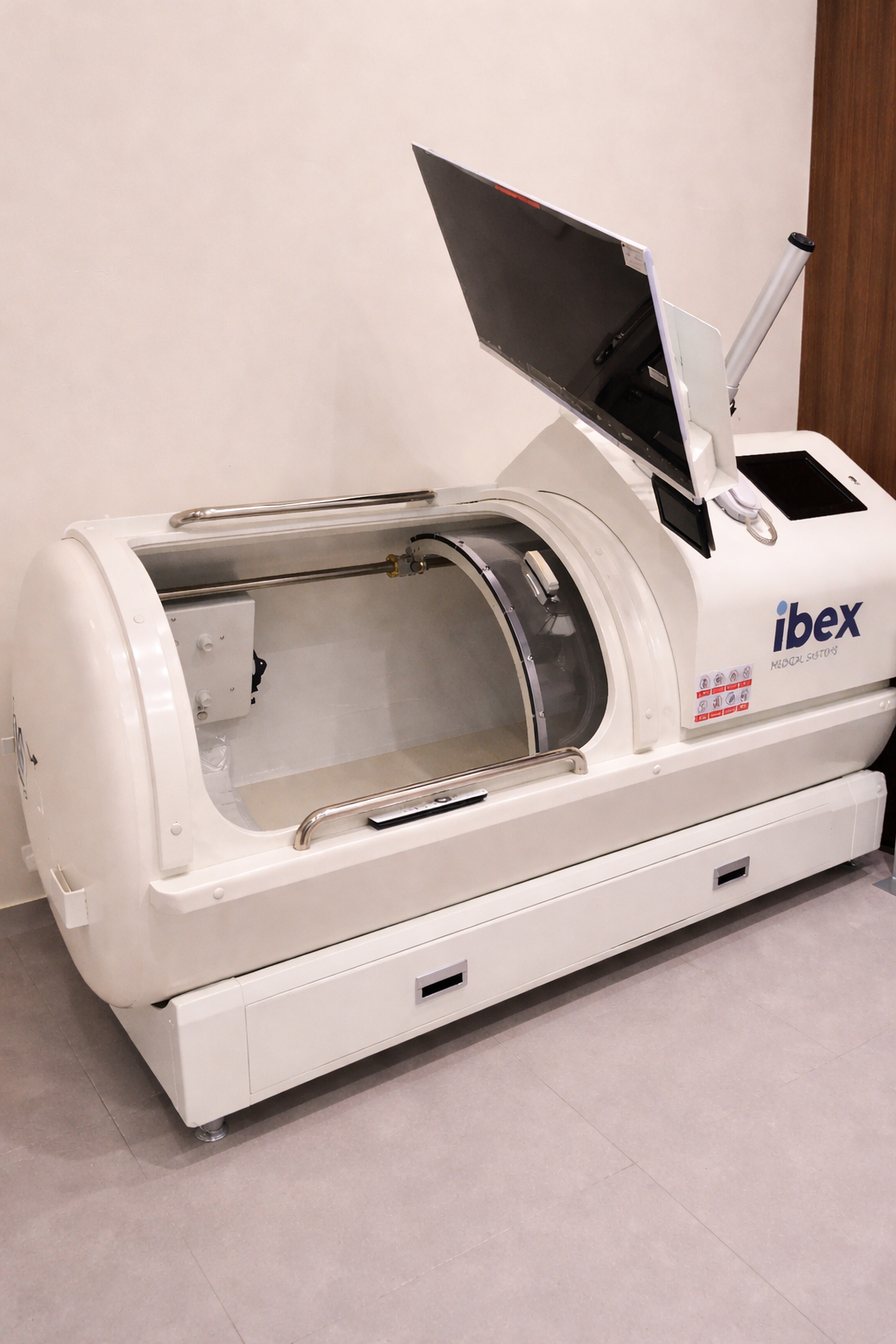
Hyperbaric Oxygen Therapy (HBOT) is a treatment where high-concentration oxygen is inhaled in a special chamber with pressure higher than atmospheric pressure. Normally, most of the oxygen in our bodies is carried by hemoglobin in red blood cells. In a hyperbaric environment, the amount of oxygen dissolved in bodily fluids like plasma significantly increases, which can help oxygen reach even areas with insufficient blood flow.
Hyperbaric Oxygen Therapy was originally used for conditions such as decompression sickness and carbon monoxide poisoning. Now, its use has expanded as an adjunctive therapy to aid wound healing and skin regeneration.
Why the Recovery Environment After Scar Treatment is Important
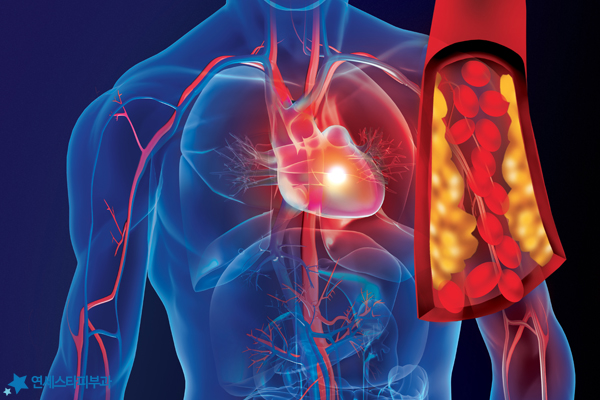
For skin to regenerate, fibroblasts must actively produce collagen, and this process requires ample oxygen. The problem is that Scar tissue often has poorer blood circulation and oxygen supply than normal skin.
After Scar treatments like laser or Pinhole for Burn & Surgical Scar, the oxygen demand further increases during tissue recovery. Combining Hyperbaric Oxygen Therapy during this period can support the oxygen supply environment and help with recovery.
Combining Keloid Treatment with Hyperbaric Oxygen Therapy
Keloids occur when wounds heal and excessive collagen is produced, causing the Scar to grow beyond the original wound area. They are known to be difficult to treat due to frequent recurrence. Recently, there has been a continuous stream of research and reports on combining Hyperbaric Oxygen Therapy with Keloid treatment. These studies examine whether it can be used as an adjunct to help the tissue recovery environment and reduce the risk of recurrence after Keloid excision or procedures.
However, the scale of research and evidence is still limited. The focus of Keloid treatment should be the main treatments such as injections, lasers, and surgery tailored to the Scar condition, and Hyperbaric Oxygen Therapy is best approached as an auxiliary means to enhance their effectiveness.


Background of Hyperbaric Oxygen Therapy's Recognition
Hyperbaric Oxygen Therapy became known as various athletes used it to quickly recover their condition and celebrities utilized it as a management method. Ample oxygen is expected to help wounds heal faster and activate cells. The number of hospitals adopting Hyperbaric Oxygen Therapy is increasing, and it shows good synergy when combined with Scar treatment.
In Summary
The outcome of Scar treatment is influenced not only by the type of procedure received but also by the environment in which the skin recovers afterward. Hyperbaric Oxygen Therapy is one method to aid this recovery environment, and its combination is meaningful only after an accurate diagnosis and main treatment tailored to the Scar type have been performed. If you are curious whether combining Hyperbaric Oxygen Therapy is right for your Scar, or how to integrate it into your Scar treatment plan, you can find out through consultation inquiry.

Author · Dr. Lee Sang-Joo / Board-certified Dermatologist Dr. Lee Sang-Joo is the chief director of Yonsei Star Dermatology's Sinchon main branch, providing overall dermatological treatments including skin boosters, Scars, and Pores. Detailed credentials can be found in the Medical Staff Profile. · Last reviewed October 5, 2026
This article is intended for general medical information and the treatment effects and downtime may vary depending on individual skin conditions. Please confirm an accurate diagnosis and treatment plan through a consultation with a dermatologist.