
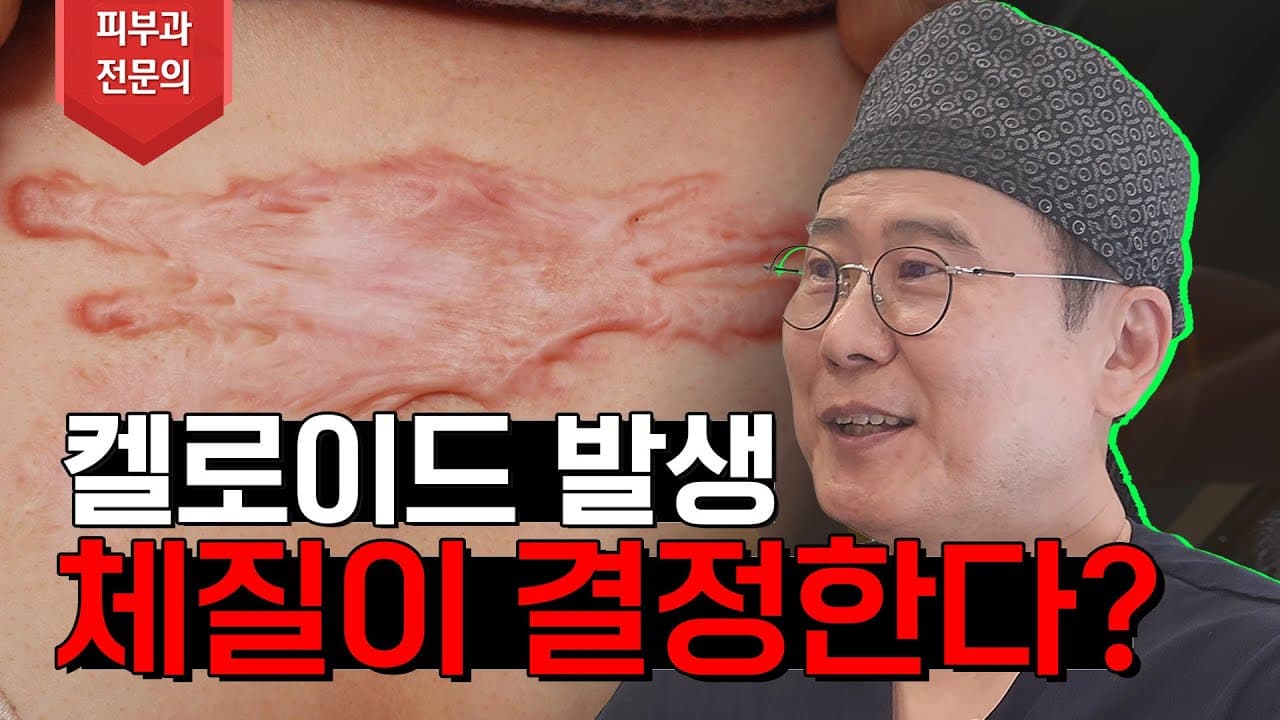
Many people are curious about keloid scars – why do they form? Some may also worry if they have a keloid predisposition. Yonsei Star Dermatology Sinchon provides detailed information on the causes and characteristics of keloid scars, as well as their differences from hypertrophic scars.
Keloids, Why Do They Form?
The exact medical cause of keloids is not yet clearly understood. However, constitutional factors are known to play a significant role. They tend to appear more frequently in individuals with specific genetic predispositions.
Can I Know in Advance if I Have a Keloid Predisposition?
Unfortunately, it is difficult to know in advance whether one has a keloid predisposition before a scar forms. Most people only realize they have a keloid predisposition after a wound has healed and the scar gradually grows larger.
What Should I Do if I Have a Keloid Predisposition?
If you discover you have a keloid predisposition, it is important to be more careful to avoid injuries in the future.
- Be careful to prevent injuries.
- Maintain lifestyle habits that minimize skin damage.
- It is advisable to consult with a dermatologist to explore prevention and management strategies.
How Do Keloid Scars Differ from Hypertrophic Scars?
Many people often confuse keloid scars with hypertrophic scars. In fact, these two types of scars are similar in appearance and have overlapping characteristics, sometimes leading to their interchangeable use in clinical practice. However, strictly speaking, they are different types of scars. Generally, keloids are considered a more severe form than hypertrophic scars.
Differences Between Keloids and Hypertrophic Scars Over Time
The biggest difference between the two scars is the pattern of change that appears over time.
"Keloids gradually worsen and grow larger over time. In contrast, hypertrophic scars tend to naturally diminish or shrink slightly after about 6 months to 1 year."
Therefore, if a scar continues to grow larger and invades the surrounding skin over time, it is likely a keloid. Conversely, if it shows a tendency to decrease in size or improve after a certain period, it may be a hypertrophic scar.