
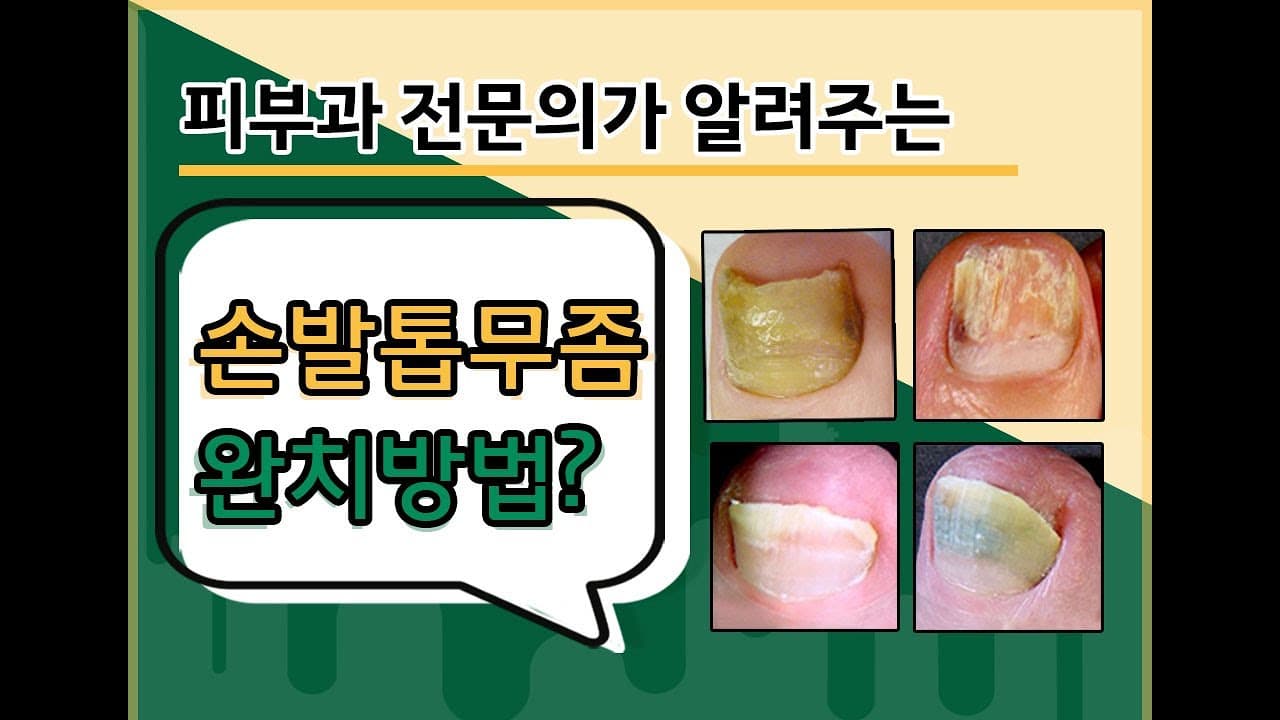
Hello. I am Lee Sang-ju, a dermatologist. Today, we will take a detailed look at nail fungus, which many people are curious about. Although athlete's foot is commonly known as a summer disease, nail fungus can actually occur regardless of the season. We will examine everything from the diagnosis and treatment of nail fungus to its prevention.
Why Does Nail Fungus Occur?
Nail fungus is caused by an infection with a type of fungus called dermatophytes. This is a fungus, not bacteria, and when it infects the skin, it causes athlete's foot.
Generally, athlete's foot is often transmitted through dead skin cells shed by infected individuals in public baths or places where people walk barefoot.
If athlete's foot persists, it can spread to other parts of the body, causing tinea corporis or facial tinea. In children, it can infect the hair, leading to fungal diseases such as tinea capitis. Specifically, when athlete's foot fungus on the foot penetrates the surrounding toenails, nail fungus develops.
Additionally, manicures and gel nails, which women frequently get, can create a humid and sealed environment for the nails, making it conducive for fungi to thrive, thereby increasing the risk of nail fungus.
Do I Have Nail Fungus? 3 Main Symptoms
Nail fungus symptoms primarily appear in three ways. If even one of these applies to you, it is advisable to consult a dermatologist.
1. Nail Discoloration
The color of the nails may turn yellow or white, and in severe cases, it can turn black.
2. Thickening of Nails
This is a phenomenon where the nails become thicker. While there are various causes, nail fungus is one of the most common reasons.
3. Brittle Nails
As the fungus proliferates, the nails weaken and become brittle.
Why Should Nail Fungus Be Treated?
Nail fungus is not just a cosmetic issue; it can lead to various complications, making early treatment important.
- Pathway for Bacterial Infection: Bacteria can penetrate through the infected area, causing inflammation, or rarely, spreading systemically through the bloodstream.
- Family Transmission: If nail fungus is left untreated, it can spread to family members, so it is advisable to seek treatment as soon as possible.
What Are the Treatment Methods for Nail Fungus?
Treatment methods for nail fungus largely include medication, surgical treatment, and laser treatment.
1. Medication
- Oral Medication: Shows excellent efficacy in treating nail fungus. However, since it takes 1 to 2 years for the nails to fully grow, it has the disadvantage of requiring long-term use for 3 to 6 months or more. This medication is metabolized through the liver, so it must be used with extreme caution in individuals with liver disease or elevated liver enzyme levels. Alcohol consumption, in particular, can burden the liver, so it is advisable to refrain from drinking while taking the medication.
- Topical Medication: Various types are available, such as lacquer or liquid forms applied directly to the nails. It has the disadvantage of being somewhat less effective than oral medication.
2. Surgical Treatment
In the past, methods such as extracting nails or removing them with nail-softening medications were used. However, if the tissue that produces the nail is damaged, permanent deformation can occur, so these methods are not commonly used today.
3. Laser Treatment
Recently, laser treatment methods have been widely introduced. The advantages of this method are as follows:
- It can help fundamentally treat dermatophytes, the cause of nail fungus.
- There is no need to take medication, so it does not burden the liver.
- It has less impact on daily life, such as alcohol and tobacco consumption.
- The treatment time is short, about 20 minutes, and there is almost no pain, making it a popular choice for those who gave up on treatment due to long-term medication in the past.
These various treatment methods aim to kill the fungus and treat it fundamentally. However, since it takes about 6 months to 2 years for the nails to fully regrow, consistent treatment until the fungus is completely gone is most important.
Prevent Nail Fungus This Way!
The fungus that causes nail fungus thrives in hot and humid environments. Therefore, to prevent nail fungus, it is important to avoid creating such environments.
- Change wet socks frequently and wear clean, freshly washed socks.
- It is better to wear well-ventilated shoes like slippers rather than shoes that do not allow good air circulation.
- If a family member has nail fungus or athlete's foot, it is important for the entire family to receive treatment together, as it can be transmitted to each other.