
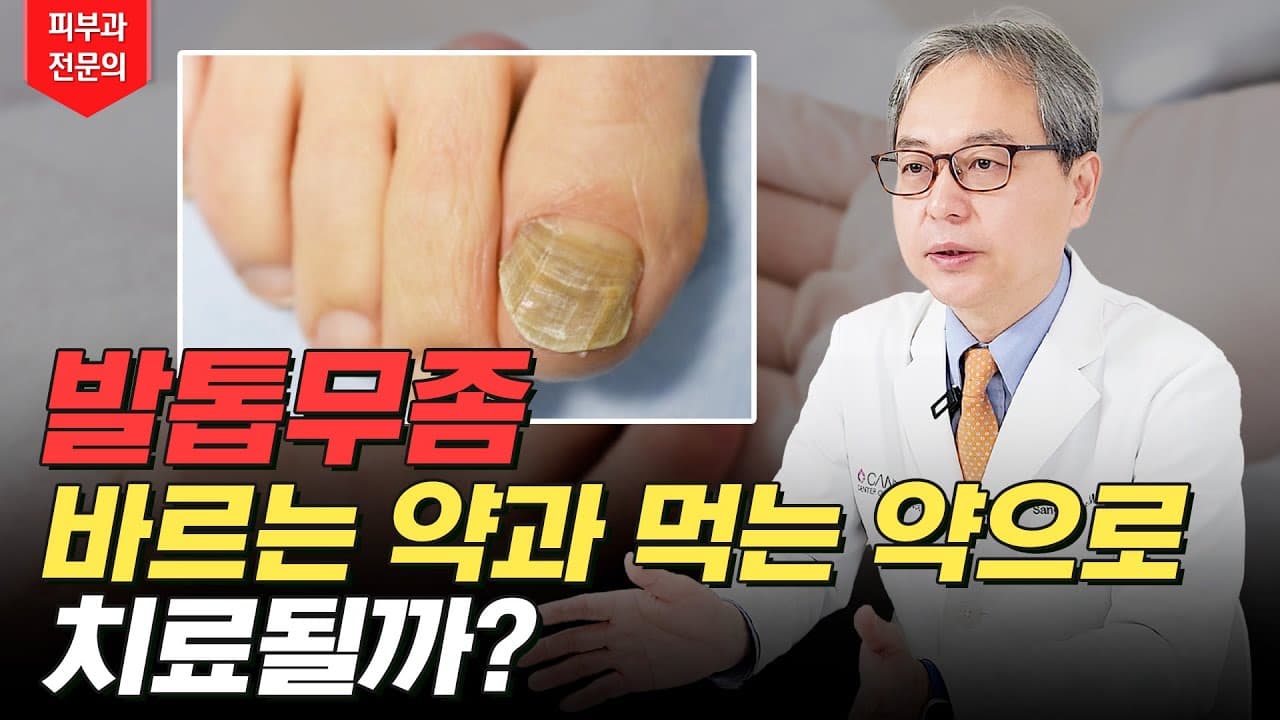
Nail fungus is a common skin condition that many people experience. Not only is it unsightly, but if left untreated, it can spread to other nails or infect family members, making active treatment important. Treatment is usually attempted with oral or topical medications, and today we will answer your questions about nail fungus drug treatment.
Topical Medication: Jublia's Efficacy and Characteristics
Even those who have been disappointed with previous topical medications can expect good treatment results with Jublia. This medication penetrates the nail well and effectively reaches the fungal pathogens residing in the nail bed. It is characterized by superior penetration and powerful efficacy compared to other topical medications.
Jublia's Treatment Efficacy
- When Jublia is applied for approximately 48 weeks, the mycological cure rate is reported to be about 55%. This figure is comparable to the 46% cure rate when Itraconazole, a well-known oral medication, is taken for 48 weeks. This means that topical Jublia can be as effective as oral medication.
- For patients with moderate nail fungus, the success rate after 1.5 years (72 weeks) of treatment is known to be around 66.9%, showing higher efficacy compared to other medications.
These research results suggest that Jublia is effective for patients with moderate nail fungus and has no significant side effects with long-term treatment.
How Long Should Nail Fungus Be Treated?
The duration of topical medication treatment is closely related to the speed of nail growth. It takes about 2 years for a nail to grow completely from base to tip. Therefore, it is important to consistently use the medication until the affected area of the nail fungus has grown out and healthy nail has fully emerged. Daily application is usually recommended, and if the nail is thick, it is good to file it down before applying, but this is not essential.
There are no studies yet on the simultaneous use of Jublia and other topical medications, but Jublia alone is known to have about three times higher treatment success rate compared to another specific topical medication (Full Care).
Oral Medications: What Types Are There and How Long Should They Be Taken?
The oral medications primarily used for nail fungus treatment are Itraconazole and Terbinafine class drugs.
- Itraconazole/Terbinafine: Generally, most treatment guidelines recommend taking them for about 3 months, but in clinical practice, it is often taken for 6 months or more, considering the nail growth period.
- Fluconazole: This medication is taken once a week, and the treatment policy is to administer it until the nails are completely normalized. It is usually taken sufficiently for about 1 to 2 years.
Precautions When Taking Nail Fungus Medication
Oral nail fungus medications are often metabolized in the liver, so there are a few precautions to keep in mind.
- Alcohol Consumption: It is advisable not to drink alcohol while taking the medication. Both antifungal medication and alcohol are metabolized in the liver, so consuming them together can put a burden on the liver.
- Interactions with Other Medications: Some heart medications or medications that lower blood cholesterol levels may require caution when taken with nail fungus medication. If you are taking any other medications, you must inform your dermatologist. The specialist will guide you on appropriate measures, such as adjusting the medication dosage or switching to another medication with fewer interactions. Since there are various types of medications, it is essential to decide through consultation.
What If Drug Treatment Is Not Effective?
There are cases where nail fungus medication is taken or applied consistently, but no effect is seen. Several reasons can be considered.
- Misdiagnosis: What appears to be nail fungus may actually be another nail condition. Accurate diagnosis is important.
- Combination Therapy: If oral medication alone is not effective enough, combination therapy, using topical medication together, can enhance the treatment effect.
- Medication Change: If a particular class of medication is not effective, changing to another class of medication is also an option.
In such cases, it is important to consult with a dermatologist to establish the optimal treatment plan for your current condition.
How to Prevent Nail Fungus Recurrence?
Nail fungus is a condition that is prone to recurrence even after treatment. While taking oral medication can help prevent recurrence, long-term use may be burdensome. Instead, regular use of topical medication may be more effective in preventing recurrence. Consistent management is important to maintain healthy nails.