
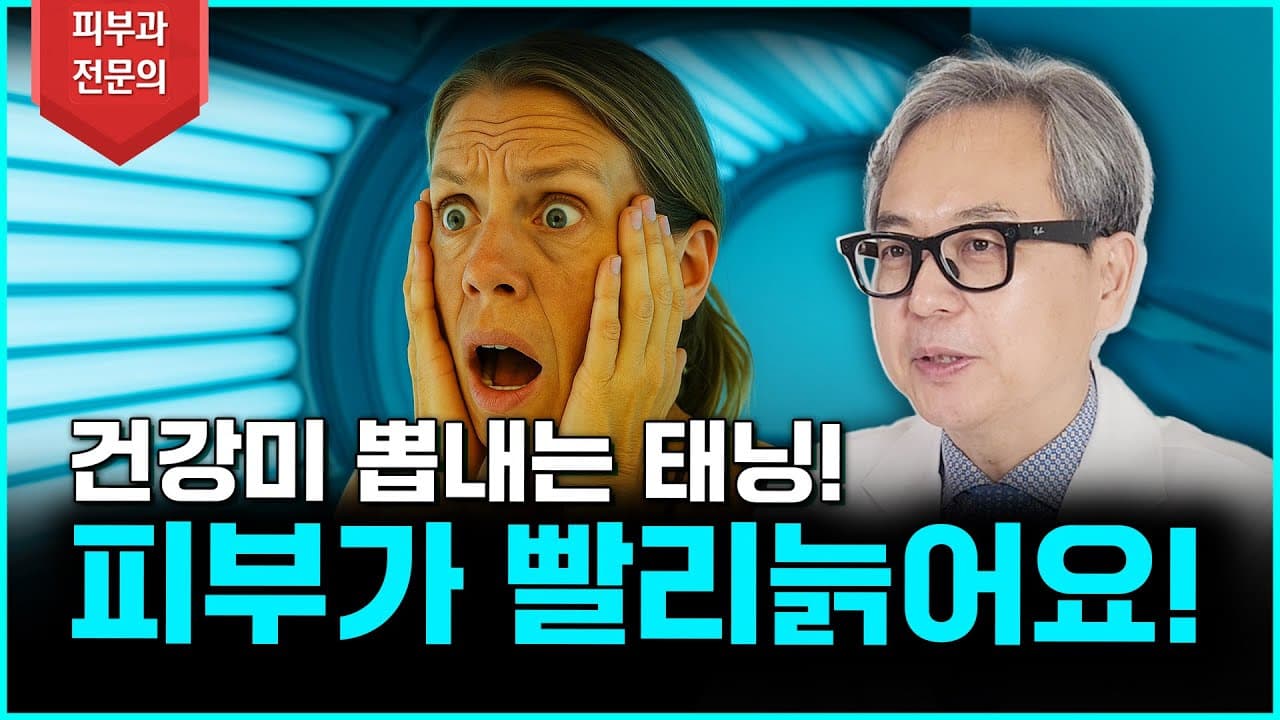
Hello. I am Dr. Lee Sang-ju, a dermatologist at the Skin Concern Counseling Center. In summer, more people tend to tan. Even if it's not summer, I understand that many people enjoy artificial tanning using machines these days. While a bronze complexion can convey a healthy glow, and tanning is popular among celebrities, tanning can actually accelerate skin aging, lead to wrinkles, lentigo, pigmentation, and in severe cases, even skin cancer. Today, we will explore how tanning affects the skin.
Is Tanning a Symbol of Health and Beauty?
Tanning rapidly accelerates skin aging. While a baby's skin is white and plump, frequent tanning as an adult can cause the skin to darken and become rough, and in severe cases, it can increase the risk of developing conditions like skin cancer.
How Does UV Radiation Affect the Skin?
Exposure to sunlight causes various changes in the skin. Specifically, UVA and UVB affect the skin in different ways.
- UVA: Penetrates deep into the dermis and causes pigmentation.
- UVB: Causes erythema, which makes the skin red, and can even lead to sunburn in severe cases.
Why Tanning Accelerates Skin Aging
We cannot change our inherent skin type. You can think of tanning as simply temporarily maintaining a darker skin color.
You cannot change your inherent skin type. However, you can think of it as simply maintaining a slightly darker skin color through tanning.
Can Tanning Oil and Sunscreen Be Used Together?
If you apply sunscreen, the tanning effect will naturally decrease. Many tanning oils on the market have low SPF values, around 8-9. These oils reduce the sunscreen effect, making you less likely to get burned, but they also reduce the tanning effect.
Artificial Tanning Machines Are Also Not Safe
Artificial tanning machines also use UV radiation, which is known to increase the risk of skin cancer. Therefore, dermatologists worldwide do not recommend the use of artificial tanning for skin health.
Post-Tanning Skin Care: Here's How
Generally, it is difficult to achieve an even skin tone with artificial tanning or sun tanning. After tanning, the skin tends to become dry, and if not properly cared for, it often becomes patchy.
Avoiding Tanning Is Best
For skin health, the best approach is to avoid tanning altogether.
If You Must Tan, Moisturizing Is Key
If you feel you must tan, it is important to thoroughly moisturize your skin afterward. Skin moisturizing alone can help prevent some of the skin damage caused by tanning.
Visit a Dermatologist if You Have Sunburn Symptoms
If your skin feels hot and turns red after tanning, it may have progressed to sunburn. In such cases, it is important to visit a dermatologist for appropriate treatment.
Today, we discussed how tanning affects the skin. For further questions, please contact Yonsei Star Dermatology's KakaoTalk channel. This has been dermatologist Dr. Lee Sang-ju. Thank you.