
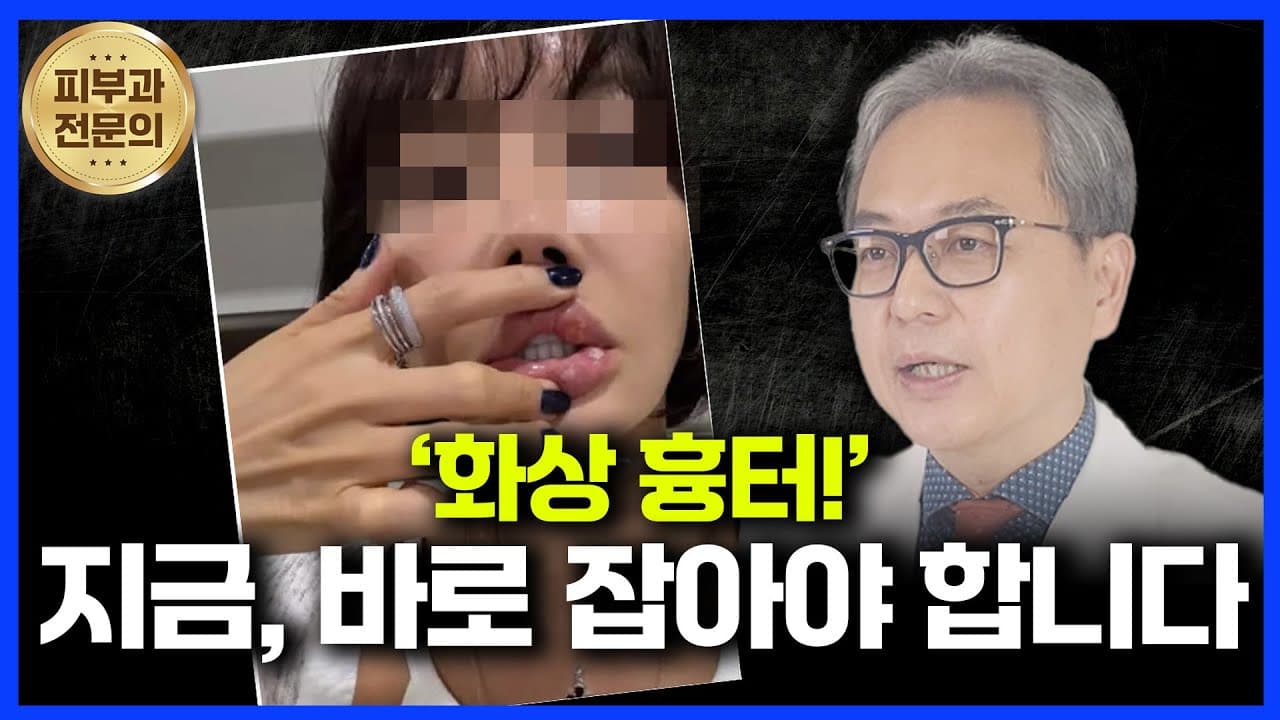
Burns can commonly occur in daily life, but they can lead to deep skin damage and lifelong scars, requiring special attention. Burns caused by hot objects or liquids, in particular, can happen unexpectedly and cause distress. Today, we will delve into the stages of burns, their risks, and effective methods for burn scar treatment and management.
How Serious Are Burns?
Dr. Lee Sang-ju, a dermatologist, emphasizes that burn scars can become wider and more severe over time, making early and appropriate treatment crucial. Even seemingly minor burns can lead to skin damage and scarring, so it is important to be aware and cautious.
Characteristics of Burn Stages
Burns are broadly classified into 1st, 2nd, and 3rd-degree burns. Understanding the characteristics of each stage is important.
1st-Degree Burns
These are minor burns where the skin turns red and swells.
2nd-Degree Burns
This refers to cases where blisters form on the skin. If blisters burst, pain can intensify, and the likelihood of scarring increases. From 2nd-degree burns onwards, professional treatment and scar management are essential.
3rd-Degree Burns
This is a state where the skin has turned completely white or black. At this stage, it is almost certain to result in scarring.
Why is Early Response Important for 2nd-Degree Burns or Higher?
For 2nd-degree burns or higher, meaning burns with blisters, the skin's protective barrier is damaged. In such cases, the risk of bacterial infection increases, so preventing infection and promoting rapid healing are paramount.
While blisters on the lips or inside the mouth are relatively less likely to lead to scars, making them less concerning, blisters on other skin areas require extreme caution.
Emergency Treatment and Care for Burns
Treatment for burns can be divided into two main stages:
-
Acute Management (Initial Emergency Treatment)
- It is important to cool the burned area with cold water for about 20 minutes. This helps prevent the burn from spreading deeper.
- For 2nd-degree burns or higher with blisters, it is essential to visit a hospital for appropriate treatment.
-
Scar Management (After the Burned Area Has Healed) Once the burned area has healed, it transitions to the scar stage. From this point, the focus should be on scar management.
Effective Burn Scar Treatment Methods?
It is common to manage scars by purchasing silicone sheets or gels from pharmacies. However, for more effective scar treatment, the following professional methods can be considered:
- Early Laser Treatment: Using a vascular laser like V-beam Laser in the early stages of a burn can be expected to reduce the likelihood of scarring by more than 50%. Considering laser treatment for scar prevention is advisable.
- Scar Improvement Laser: For already formed scars, various lasers such as Ultrapulse Laser can be used to improve the scars.
Lifestyle Habits for Scar Prevention
Basic lifestyle habits are also important for minimizing burn scars.
- Moisturizing: Skin moisturizing is essential for scar management.
- UV Protection: If the scar area is exposed to UV rays, pigmentation can worsen, so it is important to apply sunscreen thoroughly.
Facial/Lip Burns, Consideration for Aesthetic Sensitivity
Burns can become wider and more severe over time, so early treatment is most important. A momentary accident can lead to a scar that bothers you for a lifetime.
Areas such as the face or lips are particularly aesthetically sensitive. If burn scars remain in these areas, psychological stress can be significant, often requiring professional treatment and management.
Conclusion
Please remember the information discussed today. If you are struggling with burn scars, we recommend consulting a dermatologist to establish an appropriate treatment plan rather than neglecting it alone.