
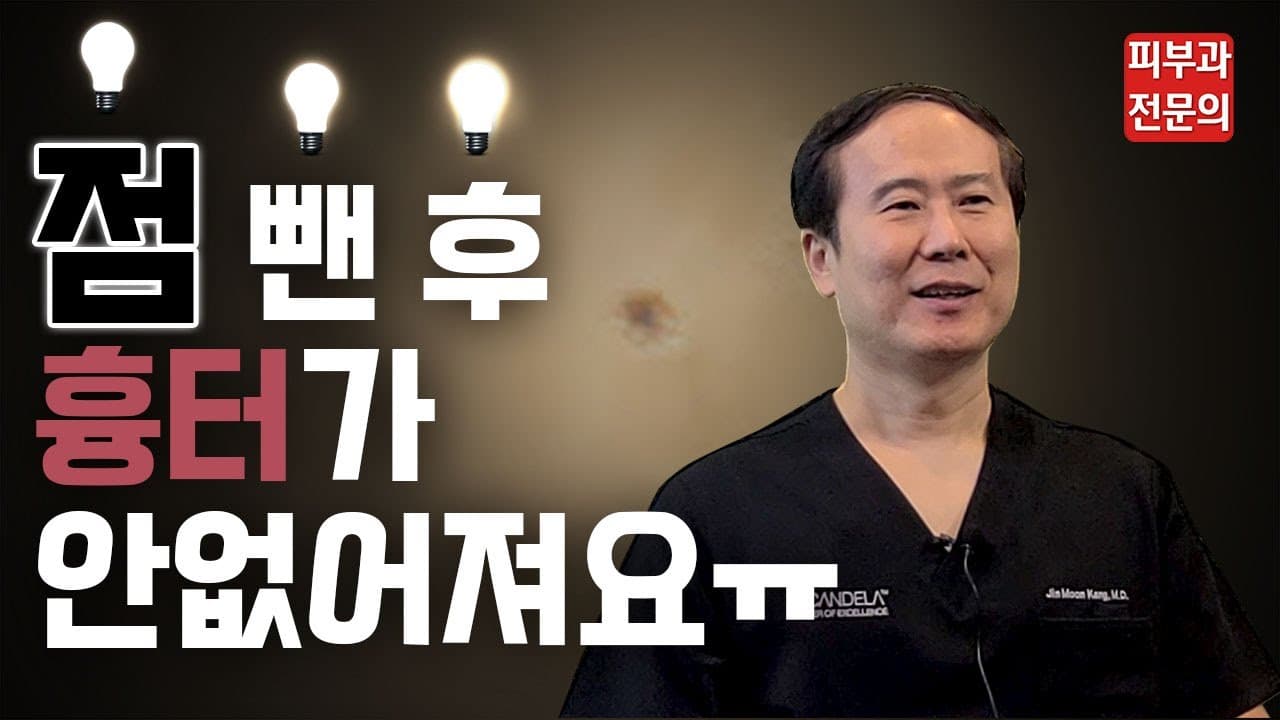
Scars after lesion removal won't go away ㅠㅠ, their causes and management
While facial lesions can sometimes be charming, many people consider removing numerous or large lesions for cosmetic reasons. However, if lesion removal is taken lightly, irreversible scars may remain, so caution is necessary. Today, we will learn more about the causes of scars after lesion removal, as well as prevention and management methods, with Dr. Kang Jin-oh, a dermatologist at Yonsei Star Dermatology Sinchon.
Why lesion removal should not be taken lightly
What we commonly call a 'lesion' is a type of benign skin tumor that forms in the dermis. Removing a lesion is the process of eliminating unnecessary cell clusters in the skin, so in some ways, a certain degree of scarring may be unavoidable. The size and depth of the scar can vary depending on the size and depth of the lesion, and the individual's skin regeneration capacity.
Why do scars form after lesion removal?
Several factors can contribute to scarring after lesion removal.
- Size and depth of the lesion: Larger and deeper lesions are more likely to result in larger scars.
- Individual skin regeneration capacity: Skin regeneration capacity varies individually depending on age, health status, etc., and this affects the degree of scarring.
- Performance of laser equipment and practitioner's expertise: The performance of the laser used for lesion removal and the practitioner's experience and expertise are also important factors in scar formation.
- Excessive removal procedure: Scars can also remain if a large lesion is removed excessively in one go, or if surrounding healthy skin tissue is damaged during the procedure.
- Improper post-procedure care: If post-lesion removal care is not properly performed, it can affect scar formation.
What kind of scars can remain?
After lesion removal, two main types of scars can appear.
- Red, raised scars (excessive regeneration): This occurs when the skin shows an excessive regenerative response after significant skin destruction by laser treatment. Over-regenerated tissue protrudes above the skin, and blood vessels also expand, giving it a reddish color. Although it turns white over time, the raised area may not subside.
- Depressed scars (insufficient regeneration): This occurs when the skin is excessively removed by laser, resulting in insufficient regeneration. The skin remains in a depressed form, and like red scars, it is affected by individual regeneration capacity or laser treatment intensity.
Scars that form after lesion removal can be seen as the absence of normal skin appendages like hair follicles or sweat glands, replaced by abnormal collagen.
Can scars after lesion removal be treated?
The basic treatment principle for scars formed after lesion removal is the same as for scars caused by other reasons. Treatment to alleviate scars may be considered, such as stimulating the skin with a laser to break down excessively regenerated collagen tissue, or using steroid injections. If a scar has formed, early treatment can help prevent it from progressing into a deeper scar.
How to minimize scars after lesion removal
The most important methods to prevent large scars after lesion removal are as follows:
- Remove in multiple sessions without being overly ambitious: Trying to remove a lesion excessively in one go can lead to too deep skin destruction. Especially for large lesions, it is important to perform the procedure safely over multiple sessions.
- Use high-performance laser equipment: Among the equipment used for lesion removal, such as CO2 lasers, high-performance equipment has a short irradiation time, minimizing damage to surrounding skin at the moment of lesion removal. Even with the same practitioner, using good equipment can result in fewer scars.
- Thorough post-procedure care: Post-lesion removal care is very important for scar prevention.
- Scab management: Scabs are the skin's natural protective barrier. It is best to let scabs remain attached for a long time so that the skin can regenerate beautifully underneath, rather than forcibly removing them.
- Avoid skin irritation: For about a month after the procedure, it is advisable to avoid hot springs, jjimjilbangs (Korean saunas), body scrubbing, and highly irritating cosmetics that can irritate the skin.
- Sun protection: If you have a lot of outdoor activities or travel to places with strong UV radiation, it is important to diligently apply sunscreen. If you mainly live indoors, you may not need to worry too much about UV radiation.
Why consulting a dermatologist is important
Before removing a lesion, it is important to accurately diagnose the type, depth, and size of the lesion and establish a personalized treatment plan. Therefore, it is advisable to consult sufficiently with a dermatologist before deciding on the procedure. If scars have formed after lesion removal, early consultation with a specialist and appropriate treatment can help prevent them from progressing into deeper scars.