
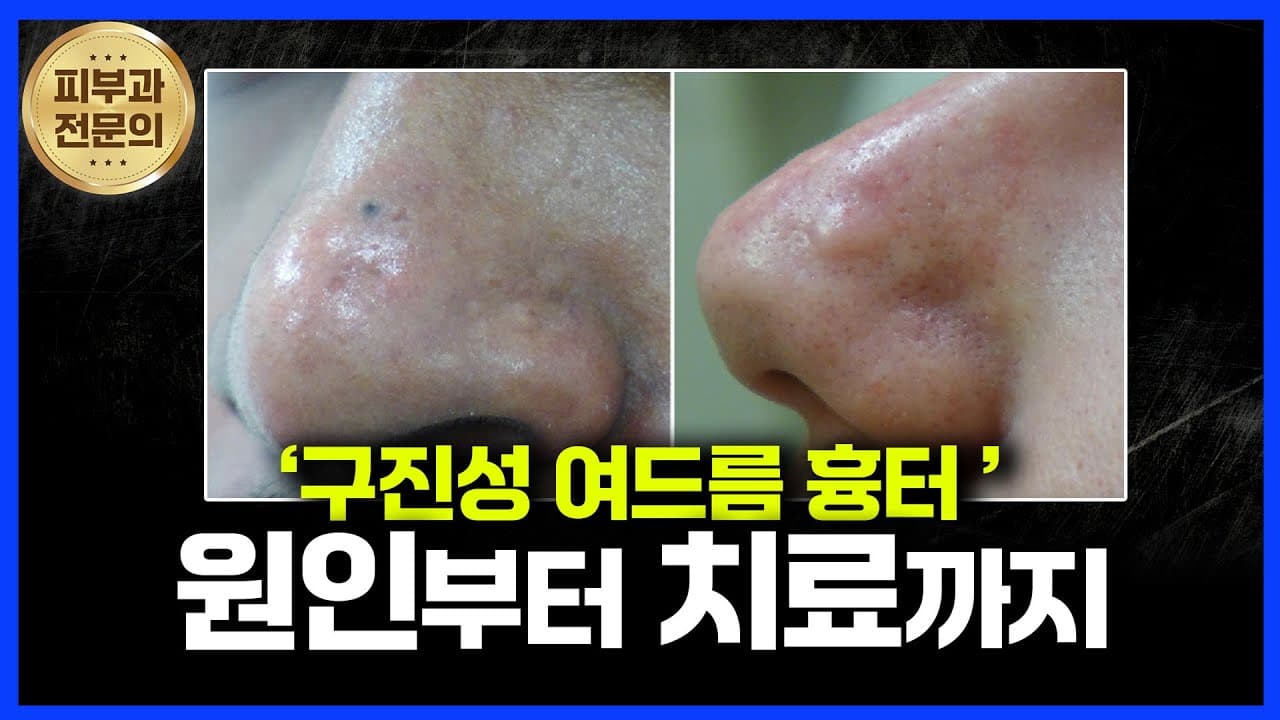
Hello. I am Dr. Sang-Ju Lee, a dermatologist. Did you know that there are various types of acne scars? Among them, papular acne scars, which appear as small, raised bumps on the skin, have distinct characteristics. In the past, they were often confused with hypertrophic scars or keloid scars, leading to incorrect treatments. However, accurate diagnosis and effective treatment are now possible. Today, I will explain in detail the most frequently asked questions, from the characteristics of papular acne scars to treatment methods, number of treatments, and the possibility of recurrence.
What are the characteristics of papular acne scars?
The most significant characteristic of papular acne scars is that they protrude above the skin surface. Their size ranges from millet seed to bean-sized, and they often appear as small bumps on the chin, nose, as well as the chest or back. While typical acne scars are characterized by severe inflammation deep below the surface, leading to depressed scars, papular acne scars appear as raised bumps due to issues in the upper dermis of the skin surface.
Why was treatment difficult in the past?
In the past, papular acne scars were often mistaken for hypertrophic scars or keloid scars. Despite being histologically distinct conditions, the term "keloid" was frequently used. In some cases, they were even mistaken for acne, and acne treatments were performed without improvement. It was also common to perform ablative laser treatments or inject only Triamcinolone Scar Injection, which is used for keloid treatment. Yonsei Star Dermatology Sinchon not only introduced papular acne scars to Korea but also published papers on their treatment, contributing to a precise understanding and establishment of treatment methods for this condition.
Can papular acne scars be treated?
Yes, papular acne scars are treatable. Recently, many individuals have seen improvement through appropriate treatment methods.
The primary treatment method currently used is the P.I.O.L. method.
The P.I.O.L. method is a technique that creates small holes in the skin to treat scars, which helps to flatten the scars. It can be thought of as a treatment method that focuses on treating the scar itself and promoting rapid regeneration.
As such, the P.I.O.L. method focuses on treating the scar itself and aiding skin regeneration.
What are the treatment frequency and intervals?
Because papular acne scar treatment requires deep intervention, treatments are generally performed at one to two-month intervals. Typically, 3 to 5 sessions can lead to noticeable improvement.
- Smaller scars may improve with 1-2 treatments.
- For multiple lesions or larger scars, more treatment sessions may be necessary.
In most cases, significant improvement can be expected after 3-5 treatments.
Do papular acne scars recur?
Papular acne scars are generally not a recurring condition. Once treated, the scars are expected to remain improved. However, they are often confused with keloid scars, which tend to recur when tension is applied to the skin, leading to misunderstandings.
The important factor is acne, which is the cause of papular scars. If an individual has a predisposition to papular scars, new papular scars may emerge if acne reappears. Therefore, early treatment of acne is crucial in preventing the formation of new papular scars.
Papular acne scars were a condition often confused in diagnosis and treatment in the past. However, with a good understanding of their principles and the selection of appropriate treatment methods, significant improvement is now possible. If you are concerned about scars, do not neglect them. We recommend seeking an accurate diagnosis from a dermatologist to receive guidance on the appropriate treatment method.