
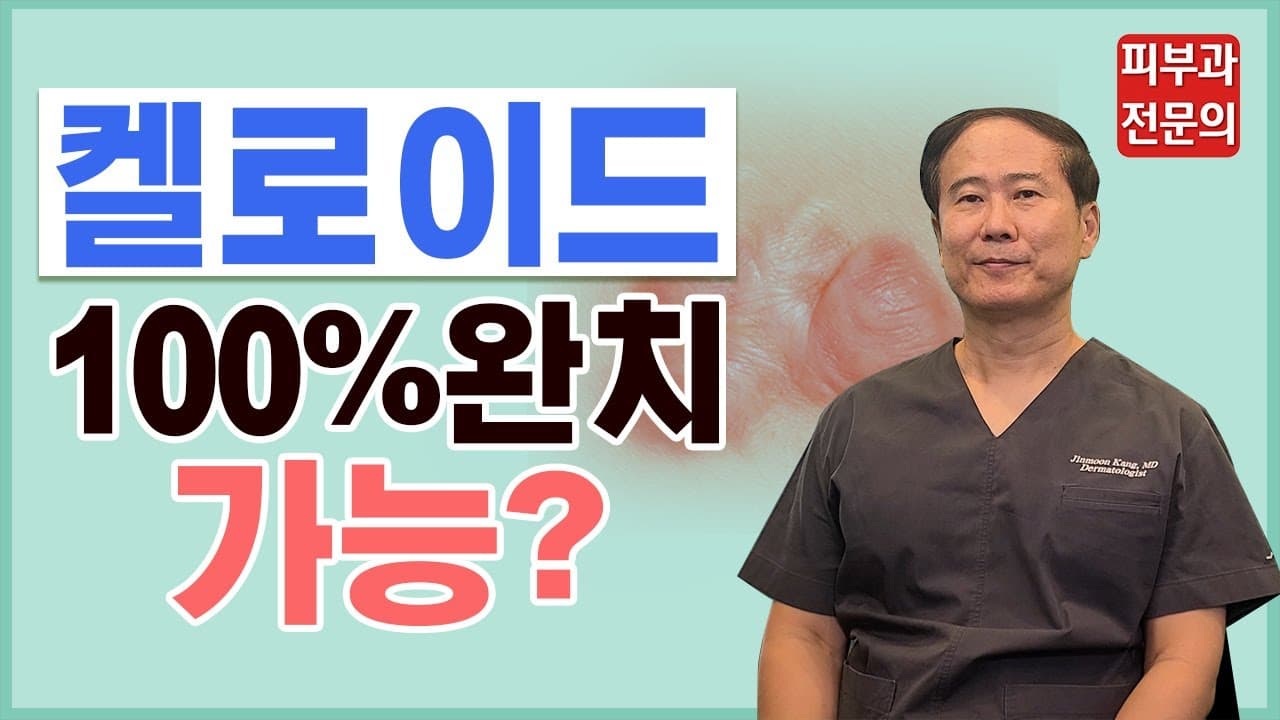
Hello, I'm Dr. Kang Jin-moon, a dermatologist. Many people have heard the word 'keloid' but aren't quite sure what it is. Today, we'll take a closer look at keloids.
What exactly is a keloid?
A keloid is a phenomenon where fibroblasts in the skin's dermis produce an abnormally large amount of connective tissue, such as collagen.
As a result, the skin becomes raised and reddish, and over time, it can contract, leading to deformation of the surrounding skin.
Typical symptoms of keloids include:
- Itching and pain: Caused by irritation of surrounding nerves due to excessive collagen production.
- Reddish appearance: Occurs when blood vessels expand due to excessive nutrient supply for collagen production.
Why do keloids form?
The exact cause of keloids is not yet clear. However, they tend to form more easily in individuals with a genetic predisposition.
Can keloids be prevented?
If you have a genetic predisposition to keloids, you should pay special attention to factors that can cause skin injury.
- Surgery
- Trauma
- Inflammation
In particular, acne is a significant trigger for keloids, so appropriate acne treatment can be considered essential for keloid prevention.
If I have a keloid predisposition, should I absolutely avoid plastic surgery?
Having a keloid predisposition doesn't necessarily mean you should never have plastic surgery. Keloids tend to form more easily in some areas of the skin than others.
- Areas prone to keloids: Chin, chest, back, shoulders, neck, etc.
- Areas less prone to keloids: Thin-skinned areas of the face, such as the eyelids or nose.
Therefore, for double eyelid surgery, most people don't need to worry too much.
How are keloids treated?
Since the exact cause of keloids is not yet clear, there is no complete cure. Therefore, current treatment focuses on symptomatic treatment to control the excessive proliferation of collagen and blood vessel dilation, which are key characteristics of keloids.
Dermatology clinics typically use the following treatment methods:
- Triamcinolone Scar Injection: An injection treatment with triamcinolone to reduce accumulated collagen.
- Vascular laser: A treatment that destroys proliferated blood vessels to alleviate redness.
Combining these two treatments can be expected to have a more synergistic effect.
Can keloid treatment lead to a complete cure?
It is difficult to achieve a 100% cure for keloids. Through treatment, the raised areas may flatten and the redness may fade to resemble skin color, but it is difficult to return to perfectly normal skin. Since the cause is unknown and cannot be treated, there is also a possibility of recurrence.
However, even with the possibility of recurrence, it is not advisable to neglect treatment. If left untreated, keloids tend to grow larger, and larger keloids become even more difficult to treat. Therefore, it is important to start treatment as early as possible.
Are there any side effects after keloid treatment?
During keloid treatment, temporary skin indentation or discoloration may occur. This is due to triamcinolone, an ingredient in Triamcinolone Scar Injection, but it usually recovers within 6 months to 1 year, so there is no need to worry excessively.
We have now covered the causes and treatments for keloid skin. If you have any further questions regarding keloid treatment, please feel free to contact us at any time.