
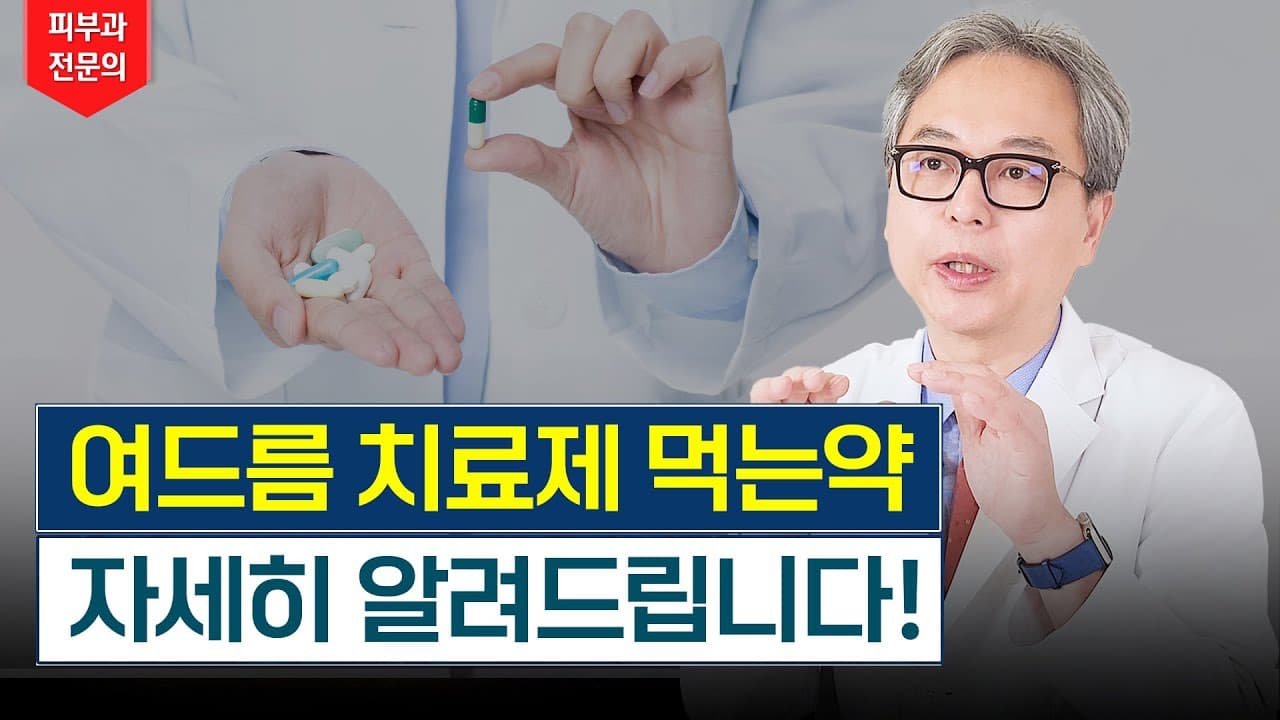
Acne is not only a cosmetic problem but often leads to erythema or scars if it persists for a long time. Therefore, it is important to receive treatment as early as possible. Currently, there are various methods for treating acne, but the most basic treatment is medication. Today, let's take some time to learn about oral acne medications.
Why does acne occur?
Acne is caused by various factors. The process is as follows:
- Sebum is excessively secreted due to hormonal changes.
- If keratin accumulates at the pore opening, preventing this sebum from exiting the pores, it turns into comedones inside.
- Subsequently, acne bacteria feed on the sebum and multiply, causing inflammation in the surrounding area, leading to acne.
Oral acne medications are broadly divided into two types
Oral acne medications generally have two main effects. The first is sebum-regulating drugs, and the second is antibiotic-based drugs that kill acne bacteria and reduce inflammation.
Sebum-regulating drug: Isotretinoin
The first oral acne medication is known by the active ingredient name isotretinoin. In the past, it was sold under the brand name 'Roaccutane', but recently, various domestic companies have been releasing it under different names. This drug is a first-generation retinoid, a representative vitamin A derivative.
Isotretinoin helps suppress sebum secretion and normalize keratin in the pores, thereby reducing inflammation and the recurrence of acne.
Important things to know when taking isotretinoin
There are a few precautions to take when taking this medication.
- You may experience dryness in mucous membranes such as the lips, nose, and eyes.
- If the dosage is increased significantly, the hands may crack.
- Occasionally, cholesterol or liver enzyme levels may rise, so regular blood tests may be recommended.
Pregnant women should absolutely not take isotretinoin. This is because vitamin A takes time to leave the body and can affect fetal skeletal development. If you are planning a pregnancy, you should stop taking the medication for at least one month, or even 3 to 6 months, before attempting to conceive.
Sebum regulators are usually dosed according to body weight, but in Korea, low-dose regimens are often used. It is generally recommended to take it consistently for about 4 to 6 months, and it is known that taking it above a certain cumulative dose can reduce the recurrence of acne.
Drugs that control inflammation and bacteria: Antibiotics
Representative antibiotics used for acne include doxycycline, minocycline, and tetracycline. These drugs not only kill acne bacteria but also reduce the inflammatory response caused by acne, making them effective for red acne.
Considerations when taking antibiotics
There are a few things to keep in mind when taking antibiotics.
- They may be less effective for sebum control, such as with whiteheads.
- Certain drugs can make the skin sensitive to sunlight.
- Occasionally, some people may experience stomach discomfort after taking the medication.
Antibiotics are sometimes used for as short as a week, but usually for one to two months or more. However, as they are antibiotics, long-term continuous use for several months or a year is rare. The duration of use may vary depending on the severity of acne and individual tendencies.
Is there any concern about drug resistance with acne medication?
This is a common question many people have. In the case of isotretinoin, a sebum regulator, resistance has not been reported. While its effectiveness may feel different at different ages, this is not referred to as resistance.
Resistance is mainly discussed with antibiotics. There are various types of antibiotics, and for acne, tetracycline-based antibiotics are primarily used, and the resistance to this class of antibiotics is relatively low. Therefore, if used appropriately for the right duration under medical supervision, antibiotic resistance should not be a major concern.