
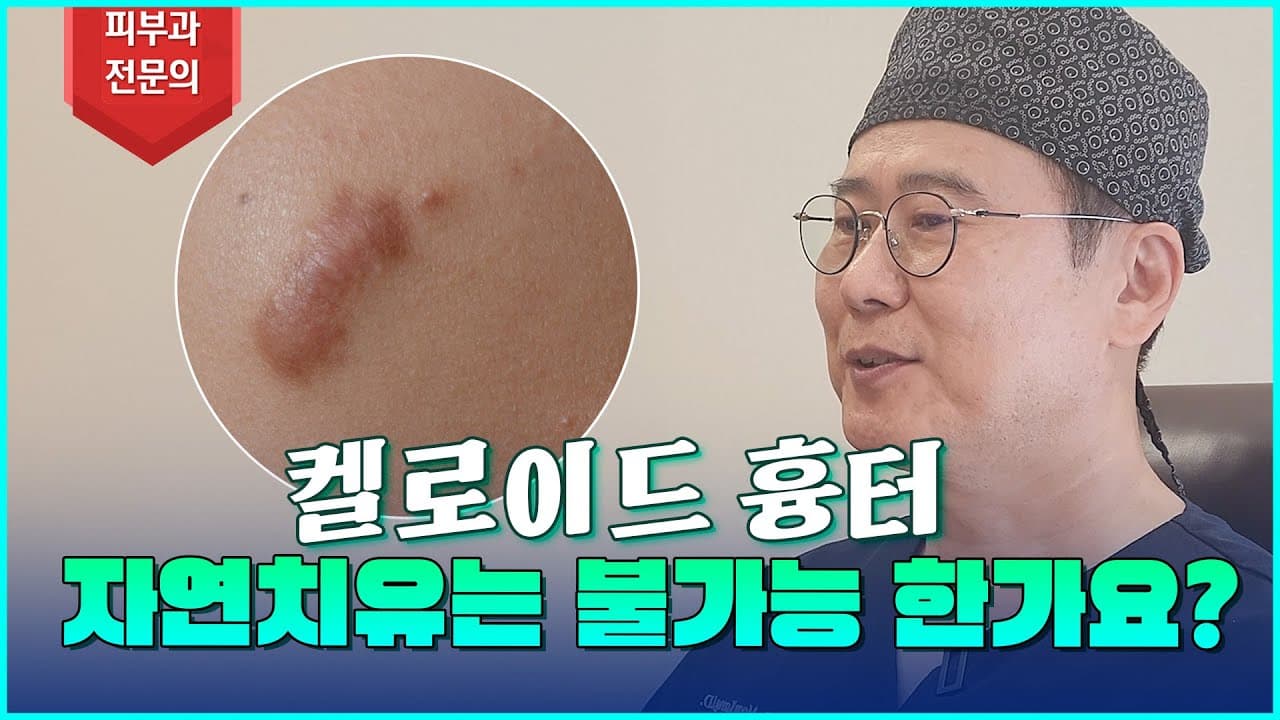
Keloid scars are a skin problem that many people worry about because they do not disappear easily once formed. Can keloid scars disappear naturally? A specialist from Yonsei Star Dermatology Sinchon will answer your questions about keloids.
Can keloid scars not disappear naturally?
Unfortunately, it should be assumed that keloid scars, once formed, do not disappear naturally. Keloids have an active phase and a stable phase. During the active phase, they may turn red and increase in size. After entering the stable phase, they may turn white and stop changing in size. If you are lucky, they may enter the stable phase and maintain that state, but the scar itself does not disappear. In the worst case, the active phase may continue, causing a scar that was once as small as a millet seed to grow to the size of a fist.
Where do keloids commonly occur?
There are areas where keloids are particularly prone to developing. They are more commonly observed in areas that experience a lot of friction or tension.
- Upper chest
- Earlobes
- Shoulders
- Back
- Jawline
On the other hand, keloids are less likely to form on the face.
Is double eyelid surgery okay for someone with a keloid predisposition?
Occasionally, individuals with a keloid predisposition worry about undergoing double eyelid surgery. However, it is known that double eyelid surgery is generally not a significant problem even for those with a keloid predisposition.
Are keloids influenced by genetics?
Many people wonder if keloid scars are related to genetics. The answer to this question is 'yes'. Like all diseases, keloids can also show a genetic tendency.
Just like diabetes or high blood pressure, if parents have a keloid predisposition, their children are more likely to develop keloids than average. However, a genetic tendency does not mean that it will 100% occur in children, so there is no need to take it too seriously. You can understand it as a higher probability.