
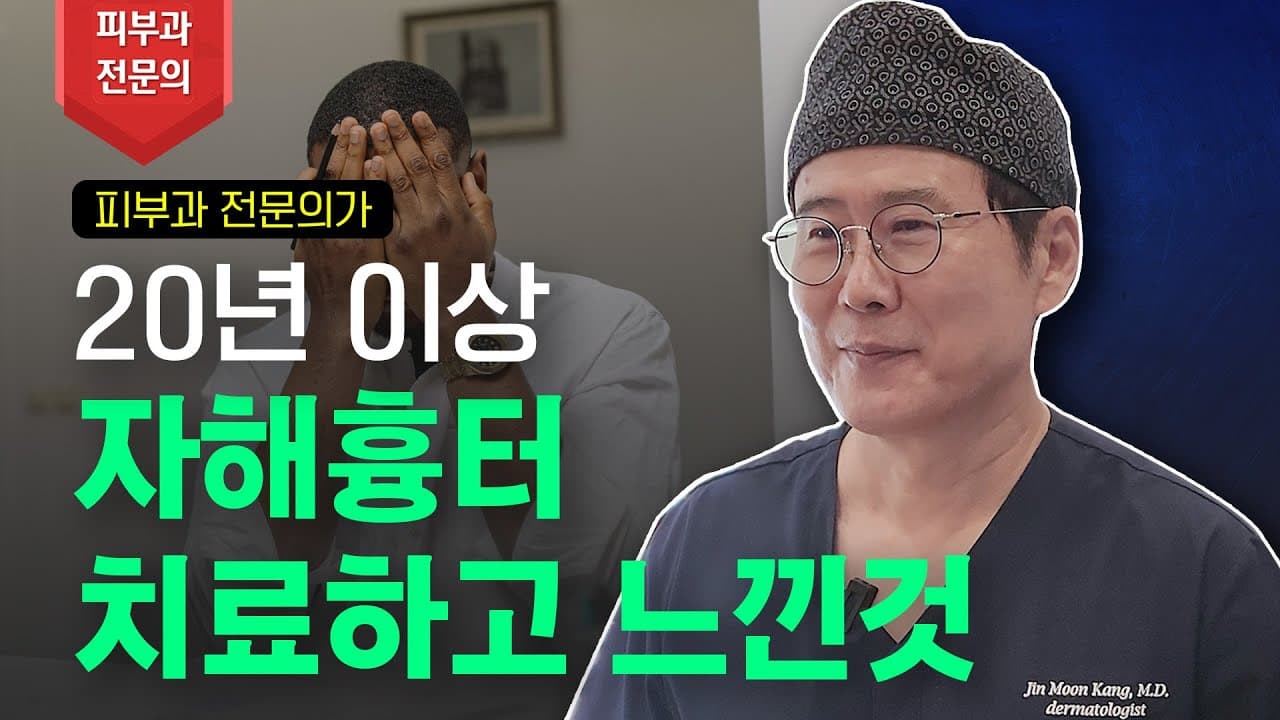
At Yonsei Star Dermatology Sinchon, we have met many individuals who have struggled with self-harm scars, also known as hesitation marks, for a long time. Patients of various ages, from adolescents in puberty to adults, visit us. What is the mindset of a dermatologist with over 20 years of experience treating hesitation marks when facing these patients, and what do they consider most important in the treatment process? We provide honest answers to your questions about hesitation mark treatment.
The Dermatologist's Approach to Hesitation Marks
When I first meet patients, my heart aches. As a parent raising children, I try to understand how difficult and distressed they must have felt. However, excessive emotional involvement can be counterproductive to treatment, so I strive to focus on providing the realistic help the patient needs.
What Age Group is Most Common Among Hesitation Mark Patients?
Patients seeking treatment for hesitation marks range from teenagers to those in their 30s. The most common age group is around 15, during middle school. They often appear during this sensitive period of adolescence, and rarely, they can start as early as 3rd or 4th grade in elementary school. While the numbers tend to decrease after age 20, some individuals still visit for treatment.
Although we haven't conducted a precise gender distribution study, based on clinical experience, the proportion of female patients appears to be more than twice that of male patients.
Parents' Heartbreaking Concerns
Many parents discover their child's hesitation marks late and feel heartbroken. While the children themselves may be indifferent, most parents are deeply distressed. Even when the scars are old, parents who only found out a few days prior often suffer greatly from guilt, feeling they didn't know their child was struggling.
What is Most Important in Hesitation Mark Treatment?
The most crucial aspect of hesitation mark treatment is establishing trust with the patient and gaining their cooperation. Individuals with hesitation marks often suffer from depression, which can make them uncooperative or prone to isolation. It is not easy to encourage such individuals to visit the clinic regularly.
Furthermore, hesitation mark treatment can be a long-term process, taking 1 to 2 years, or even 3 to 4 years in severe cases. Patients may become disappointed and give up if they don't see results quickly, so we pay close attention to this aspect.
- Building Trust: Helping patients trust the medical staff and open up.
- Treatment Cooperation: Regular clinic visits and adherence to the treatment plan are important.
- Long-Term Perspective: Consistent treatment is needed rather than short-term results.
If treatment progresses well and scars improve to some extent, but the patient self-harms again, all the effort can be wasted. To prevent such unfortunate situations, we actively recommend receiving psychiatric treatment concurrently, if possible.
Realistic Expectations and Goals for Hesitation Mark Treatment
Many patients are most curious about 'how much improvement can be expected.' Those who have researched online understand that scar treatment is realistically challenging and hope for 'the scars to be as unnoticeable as possible.' In contrast, those who come without information may expect them to 'disappear completely.'
What we consider most important during consultation is aligning the patient's expectations with realistic goals. The ultimate treatment goals are as follows:
- To be unnoticeable at a glance
- Not to cause problems in social life later on
- To be able to explain them away reasonably
It is important to approach treatment consistently with these goals in mind.
Can Old Hesitation Marks Also Be Treated?
Old hesitation marks can certainly be treated. Scars can be divided into 'early scars,' which are within about 6 months of the injury, and 'old scars,' which are older than 6 months. Early scars are still less established, making treatment somewhat easier.
However, once 6 months have passed, whether it's 1 year, 10 years, or 20 years, the treatment methods and outcomes can be approached in a largely similar way. Therefore, there is no need to give up on treatment just because the scars are old.
The Greatest Reward from Treatment
When patients see their scars improve through treatment, it instills hope. This hope, in turn, leads to confidence and further encourages hope and courage for their future lives. Witnessing these changes brings the greatest reward to us as medical professionals.
The Role of Parents is Paramount
The most difficult period for adolescents often stems from their relationship with their parents. At this time, the role of parents can be said to be more important than anything else.
Neither excessive overprotection nor excessive expectations are good, and conversely, indifference or neglect is also detrimental. Ultimately, the most important thing is normal love. It requires a mindset of respecting and loving your child as they are, neither obsessive nor neglectful.
I believe that in modern society, many parents find it difficult to practice this 'normal love.' Therefore, I think parents also need education on forming relationships with their children.