
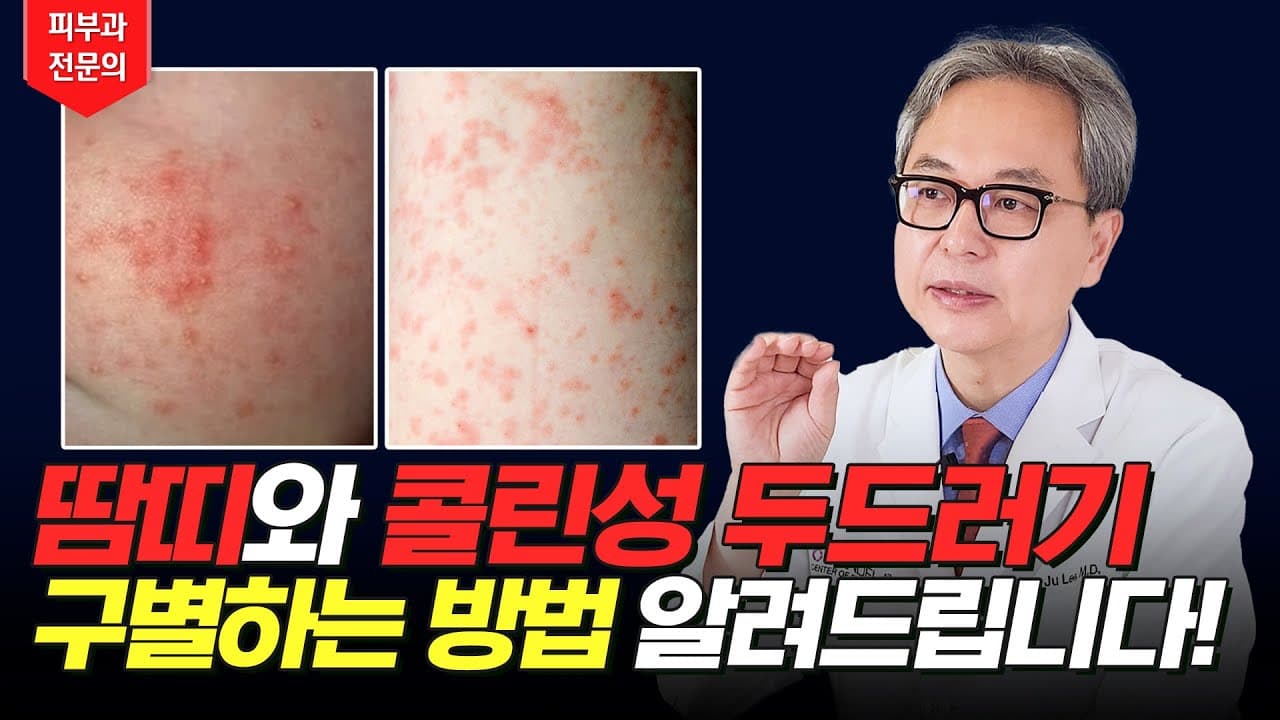
In summer, when body temperature rises, many people experience itching on their skin. The common conditions that occur at this time are heat rash and cholinergic urticaria. These two conditions can be easily confused due to their similar appearance, and it is often difficult to accurately understand their characteristics, leading to neglect. Today, we will look in detail at the causes and solutions for heat rash and cholinergic urticaria.
Why are heat rash and cholinergic urticaria confusing?
Both heat rash and cholinergic urticaria are related to rising body temperature, frequently occurring in summer. They appear as red rashes or small hives on the skin, which can make them difficult to distinguish visually. However, the two conditions show clear differences in their pathogenesis, symptoms, and management methods.
Causes and characteristics of heat rash
Heat rash is an inflammatory skin condition that occurs when sweat pores are blocked or sweat cannot be properly discharged. Typical symptoms include swelling or redness of the surrounding skin due to irritation as sweat gets trapped under the skin.
Heat rash primarily occurs in areas where there is a lot of sweating and skin folds, i.e., where the skin is sealed and prone to chafing. It is characterized by inflammation starting in the sweat glands.
What is cholinergic urticaria?
Cholinergic urticaria is a type of urticaria that occurs when body temperature rises due to fever, causing an abnormality in acetylcholine, a neurotransmitter in our body, which then stimulates mast cells. While heat rash is directly caused by sweat, cholinergic urticaria is more appropriately considered an allergic disease.
Heat rash: A condition caused by sweat when the temperature rises Cholinergic urticaria: An allergic disease
Differences in symptoms between the two conditions
The two conditions also show differences in how they appear.
- Heat rash: Red rash and itching appear in areas where sweat accumulates and chafing occurs.
- Cholinergic urticaria: When body temperature rises due to sudden exercise or other factors, numerous small hives, ranging from 1-2mm to 1-2cm, appear on the skin. In addition to hives, the following symptoms may also be accompanied:
- Headache
- Dizziness
- Vomiting
- Diarrhea
Furthermore, cholinergic urticaria is known to appear more readily when consuming alcohol.
How to manage heat rash
Since heat rash is caused by sweat, it is important to keep the surrounding environment cool. If inflammation has already occurred to the point of redness, using a weak, low-concentration topical anesthetic cream often helps alleviate symptoms.
How to deal with cholinergic urticaria
Since cholinergic urticaria is caused by the stimulation of mast cells by cholinergic action, antihistamines are primarily used. However, the effect of antihistamines may be somewhat less effective compared to urticaria caused by common foods.
Therefore, it is advisable to receive treatment from a dermatologist along with improving lifestyle habits as follows:
- When exercising, take breaks in between to prevent body temperature from rising too much.
- Stress can make the skin sensitive, so pay attention to stress management.
- Regularly taking antihistamines at a dermatology clinic can improve symptoms over time, so consistent management is necessary.
Management with a dermatologist
Heat rash and cholinergic urticaria are common summer skin conditions, but accurate diagnosis and appropriate management are crucial. If it is difficult to self-diagnose or symptoms persist, it is wise to consult a dermatologist to establish a proper treatment plan.