
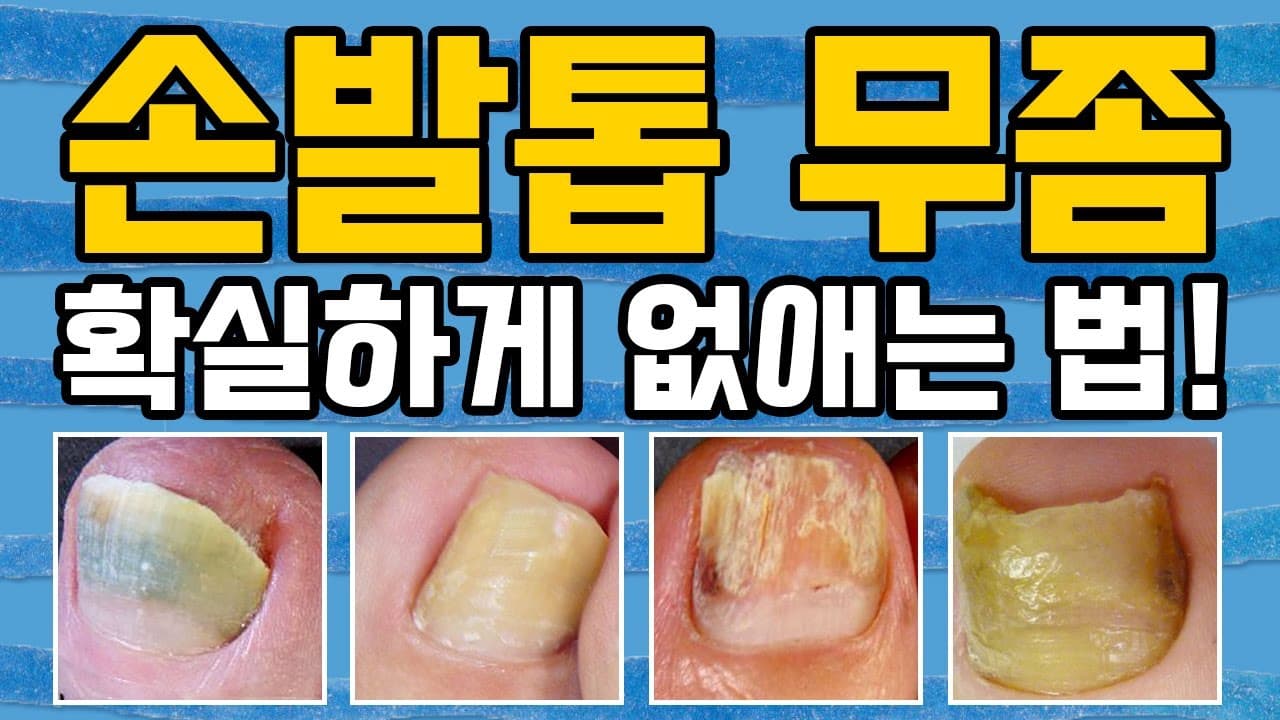
Hello, I am Dr. Ji-in Jeong, a dermatologist. Today, we will learn more about onychomycosis, commonly known as nail fungus, one of the common diseases affecting fingernails and toenails.
Why does nail fungus occur?
Nail fungus is a disease caused by fungi invading the skin. The main forms of fungi include infections by dermatophytes and yeasts. This is a contagious disease that can occur anywhere on the nails, but it mainly affects the big toenail and is much more common on toenails than fingernails.
Suspect it if you have these symptoms
Nail fungus can appear in various forms. If you have any of the following symptoms, it is advisable to consult a dermatologist:
- Nails turn yellow, orange-brown, or sometimes green.
- Nails become white and crumbly or thicken.
- The surface is rough, brittle, and breaks easily.
- White keratin powder often forms, or the nails may even break off completely.
- It may be accompanied by odor or pain, and can progress to ingrown nails.
Since there are no nerves in the nail itself, many people do not feel discomfort such as itching or pain in the early stages. Because of this, many people neglect it for a long time and only seek medical attention later.
Reasons for worsening in summer and infection routes
Nail fungus can occur regardless of the season, but it tends to worsen particularly in summer, like now. This is due to the nature of fungi, which prefer humid and warm environments. Especially in summer, when people often go barefoot, it can easily spread to others in water parks, beaches, swimming pools, etc., because fungal spores are present on the floor in the form of keratin powder and can penetrate the skin.
- For women, it is easy to get infected through pedicures, nail art, or stick-on removable tips. They can be exposed to nail fungus in warm and humid environments.
- For men, it is often contracted in communal living spaces such as military barracks or offices.
No folk remedies! Hiding it only makes it worse
Some people try unproven folk remedies, such as soaking their feet in vinegar or wood vinegar, boiled ginkgo leaves, garlic juice, or even dissolving cold medicine effervescent tablets to soak their feet.
Such folk remedies often cause inflammation in the surrounding skin, and the nails themselves can become discolored and difficult to remove. It is best to avoid unverified methods.
Also, women often try to cover up nail fungus with pedicures or nail tips, which can worsen the condition, so caution is advised.
How should nail fungus be treated?
Treatment for nail fungus can be broadly divided into oral medication, topical medication, and laser treatment.
Oral medication treatment
In the past, it was considered the most powerful and sole treatment method. However, the treatment period is long, and there may be restrictions if you have liver disease or other chronic conditions requiring medication. Since it is a drug that can burden the liver, a liver test is essential, and it can interact with cholesterol medications or neuropsychiatric drugs. It is contraindicated for pregnant women, and its use may be restricted for office workers who frequently drink alcohol.
Topical medication treatment
It has the advantage of being convenient and easily accessible. However, due to the nature of nail fungus located beneath the nail, it is difficult for the medication to penetrate sufficiently. As a standalone treatment, its effectiveness is limited, and it has the disadvantages of needing to be applied daily, not expecting short-term effects, and requiring consistent application over a long period. Some medications claim to only need application once or twice a week, but these tend to be less effective.
Laser treatment
Based on the principle that nail fungus dies at temperatures above 65 degrees Celsius, this method generates heat up to 79 degrees Celsius at once to kill the fungus under the nail.
- Advantages: It does not burden the liver like oral medications, and can be safely used by those taking other medications, pregnant women, and even those planning pregnancy. Treatment is convenient, usually taking about 10 minutes per session.
- Pain: There may be a slight stinging sensation, but the level of pain can be adjusted.
- Insurance coverage: While it may vary by insurance provider, medical indemnity insurance may apply in some cases.
- Combined treatment: Recently, combining laser treatment with topical treatments like Jublia for self-care can enhance treatment effectiveness.
Lifestyle habits for preventing recurrence
Nail fungus is a disease prone to recurrence, so managing daily lifestyle habits is important.
- It is best to avoid humid and shady places, as these environments are conducive to fungal growth.
- Change shoes frequently, dry worn shoes well, and if possible, sterilize them by exposing them to sunlight.
- After going out, make it a habit to wash and thoroughly dry your hands and feet, including your nails.
- If a family member has athlete's foot, it is advisable to use separate towels, shoes, and slippers.
If you suspect nail fungus, it is important to start treatment early. We recommend visiting a dermatologist for an accurate diagnosis and appropriate treatment.