
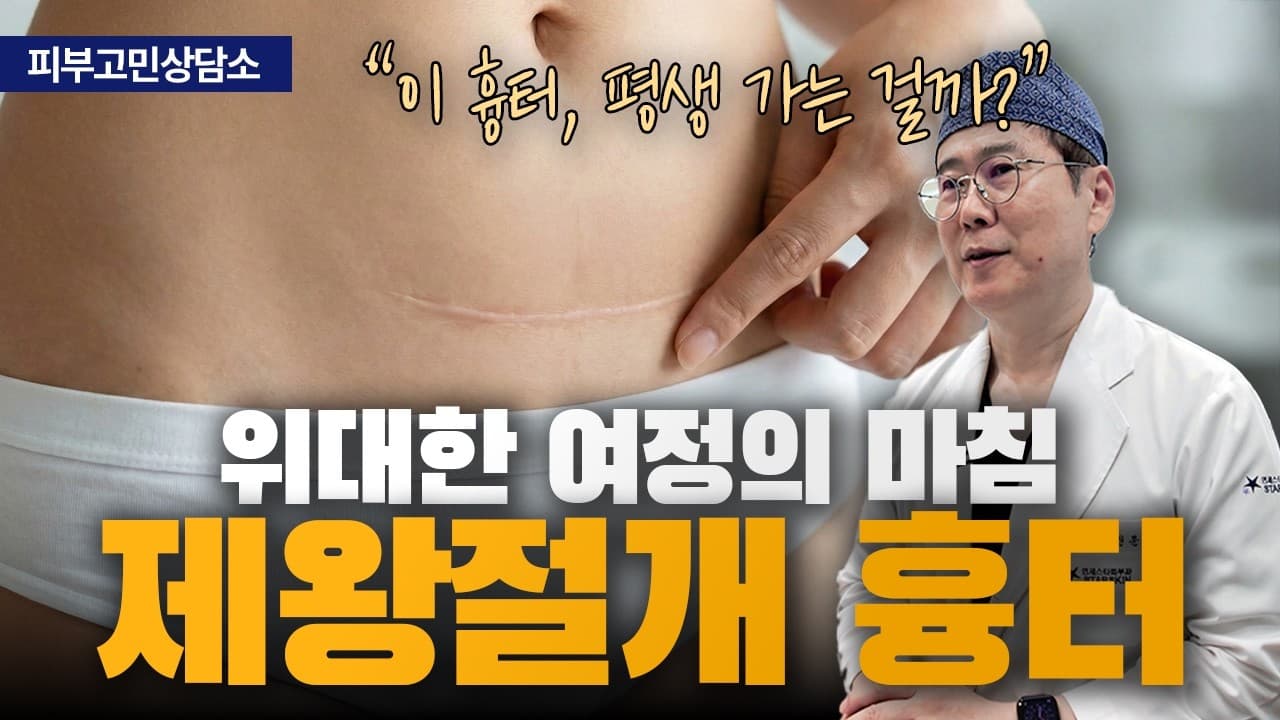
C-section scars are an area where early and proactive treatment can make a difference in the outcome. After the joy of having a precious child through the significant process of childbirth, it is not uncommon for the surgical scar left on the abdomen to cause discomfort. This burden can be even greater if the scar becomes red and swollen or progresses to a keloid. Many mothers we meet in the clinic come to us wondering how to solve this final challenge.
Can it be treated during pregnancy and breastfeeding?
In principle, it is correct to avoid unnecessary medical procedures during pregnancy or breastfeeding. However, this rule does not apply equally to all situations. The key is to weigh which is greater: the risk that may arise from not treating or the burden of treatment.
If the scar symptoms are mild, there is no need to rush. However, if it is a rapidly progressing form, such as a severe keloid, active treatment may be considered even during breastfeeding. It is advisable not to delay treatment if the following signs appear:
- When the progression speed is fast, to the extent that it feels like it has grown significantly in just a few days.
- When symptoms such as itching or pain appear together.
- When the color gradually darkens and hardens.
If you plan for a second child, what is the order?
Those who plan for a second or subsequent child often ask whether it is better to treat now or after childbirth. If the scar is relatively mild, it is likely that another C-section will be performed in the next delivery, so there is also a method of addressing the existing scar along with the surgery at that time. In such cases, waiting a bit longer is a reasonable choice.
Conversely, severe keloids can progress significantly within one to two years. Therefore, even if there are future childbirth plans, it is considered better to start treatment to prevent progression first.
What is the difference between keloids and hypertrophic scars?
Hypertrophic scars are similar to keloids. In the early stages, they can look alike and be easily confused. The biggest difference lies in their progression pattern.
Keloids tend to continue to progress and grow larger, while hypertrophic scars stop growing after a certain period. This is the decisive distinguishing factor.
Because keloids continue to grow, scar ointments alone are often insufficient. Injections may temporarily reduce them, but they often return to their original state or even grow larger after one or two months.
A two-way approach: preventing formation and breaking down what has formed
Rather than relying on a single method, approaching from two directions simultaneously increases the success rate. Steroid-based scar injections play the role of breaking down already formed collagen, while vascular lasers play the role of interfering with the new formation process.
Keloids primarily involve expanded and enlarged blood vessels, so lasers targeting blood vessels are used. Vascular lasers work by blocking the blood vessels that supply the area where collagen is being formed, thereby reducing the supply of raw materials. Therefore, vascular lasers are considered the most basic and important laser in keloid treatment.
One laser does not solve everything
One common misconception is that lasers do everything on their own. To fully understand the characteristics of a single device, one needs to operate it directly for at least one to two years, and virtually no doctor has used all devices for that long.
What is important in scar treatment is experience in handling various lasers sufficiently. This is because the judgment of choosing the most appropriate device according to the type and condition of the scar ultimately determines the outcome.
Results may vary by individual, and accurate diagnosis and treatment are determined after consultation.
We extend our deepest respect to all mothers who have completed the great journey of childbirth. If your C-section scar remains a mark of glory but also a daily inconvenience, we hope you can resolve this final challenge with us and regain a more comfortable daily life.
Written by Lee Sang-joo (Yonsei Star Dermatology) · Medical Staff Introduction · Last reviewed 2026-06-04