
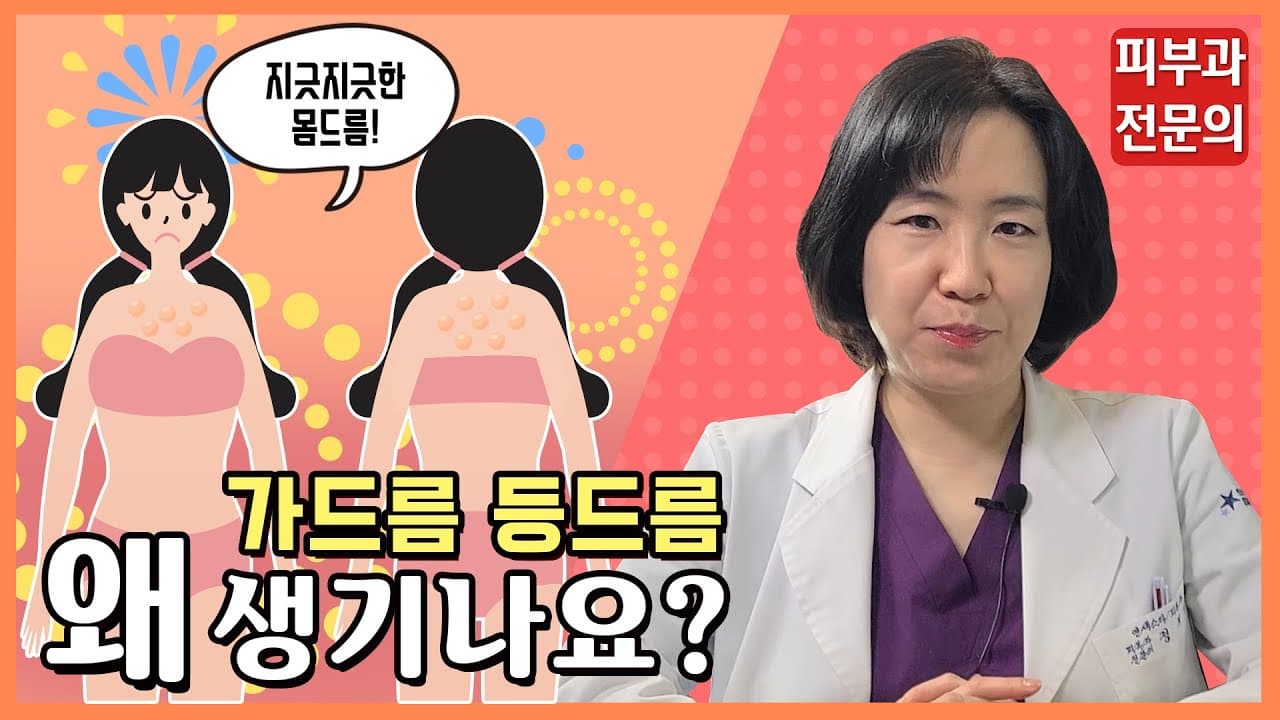
During the cold and dry winter, skin troubles are more likely to occur due to inadequate exfoliation and skin regeneration. While many people worry about back and chest acne when wearing swimsuits or revealing clothes in the summer, the situation is not much different in winter. Although it may be hidden by thick outerwear, heavy clothing, physical irritation, sweat, and sebum can sometimes make it worse than in summer. Today, we will explore why back and chest acne occur and how to manage and treat them.
Why do back and chest acne occur?
Acne on the back and chest occurs for reasons similar to facial acne. It primarily appears in areas with developed sebaceous glands, and since the back and chest also have many sebaceous glands, it can naturally occur there. It is not a condition that arises simply from excessive sebum secretion and oiliness.
Acne is not a condition that arises simply from excessive sebum secretion and oiliness. On the contrary, if the skin is not adequately hydrated, sebum secretion may become more active to compensate, potentially worsening acne.
Key factors influencing acne development include:
- Excessive sweat and sebum secretion: If you sweat a lot from exercise, increased sweat and sebum secretion can lead to the formation of comedones and subsequently acne.
- Clogged pores: Incorrect use of body lotions or conditions like keratosis pilaris can clog pores and lead to acne.
- Hormones: Hormones are known to have a significant impact.
- Clothing: Tight and thick clothing, especially wool garments in winter, can cause friction and irritation to the skin, easily triggering acne.
- Hair products: Ingredients in hair products like rinse and conditioner can wash down, clogging pores or irritating the skin, which can worsen acne.
- Physical irritation: Hair brushing against the skin, or pressure and friction from bag straps, can also be causes that worsen acne.
- Skin dryness: Oiliness and lack of moisture may not be opposites. Acne can also occur when pores are clogged and sebum is not discharged, but the surface is dry. Especially in dry winter, acne tends to be more prominent on the torso and around the neck.
How do back and chest acne differ from facial acne?
The skin on the back and chest is thicker than facial skin, which can make drug penetration difficult or treatment response slower. Additionally, skin regeneration is not as fast as on the face, so if inflammation occurs due to acne, it takes longer to recover than facial acne, and scars or pigmentation tend to last longer.
How is back and chest acne treated?
The treatment methods for body acne are similar to those for facial acne. However, appropriate treatment methods may vary depending on the skin condition, so it is important to visit a clinic with an experienced dermatologist for an accurate diagnosis and treatment.
- Exfoliation: Since the skin on the back and chest is thicker than on the face, stronger peeling agents may be used for exfoliation if necessary.
- Professional treatment: Depending on the acne condition, treatments such as extraction, laser treatment, antibiotic treatment, and excision may be combined to reduce acne bacteria and regulate sebum secretion.
Back and chest acne: Daily management tips
Acne management begins with improving lifestyle habits. Consistent daily care can reduce acne occurrence and prevent worsening.
- Quick shower and moisturizing: If you've sweated after exercise, it's essential to shower as soon as possible and apply a moisturizer.
- Use mild acidic cleansers: When showering, it is recommended to use mild acidic cleansers that strengthen the skin barrier. If you're unsure which product to choose, using baby shower products, which generally have a neutral or mild acidic pH, can be a good option. These products are less irritating and can cleanse the body without increasing sebum secretion.
- Avoid excessive irritation: Avoid excessive physical irritation such as scrubbing too hard, rubbing with bar soap, or using brushes.
- Dietary management: Avoiding the consumption of refined carbohydrates and sugary foods may be helpful.
- Gentle exfoliation: Gently removing accumulated dead skin cells from the body can also be beneficial.
- Caution with hair products: It is best to avoid using conditioner or rinse if possible, or if used, to wash your hair separately to prevent the products from flowing onto your body.
- Appropriate moisturizing: Even if you have body acne, applying a non-sticky, non-oily moisturizer suitable for your skin type can help manage acne on dry skin.
Back and chest acne: What to absolutely avoid!
If you have acne, actions such as excessive washing, scrubbing, picking, or self-peeling should be avoided, as these can irritate the skin, worsen inflammation, and leave scars.
Back and chest acne result from various interacting factors and are prone to recurrence. It is important to improve daily habits and minimize inflammatory reactions to pursue treatment methods that leave as few scars as possible. This has been dermatologist Lee Jung-jin.