
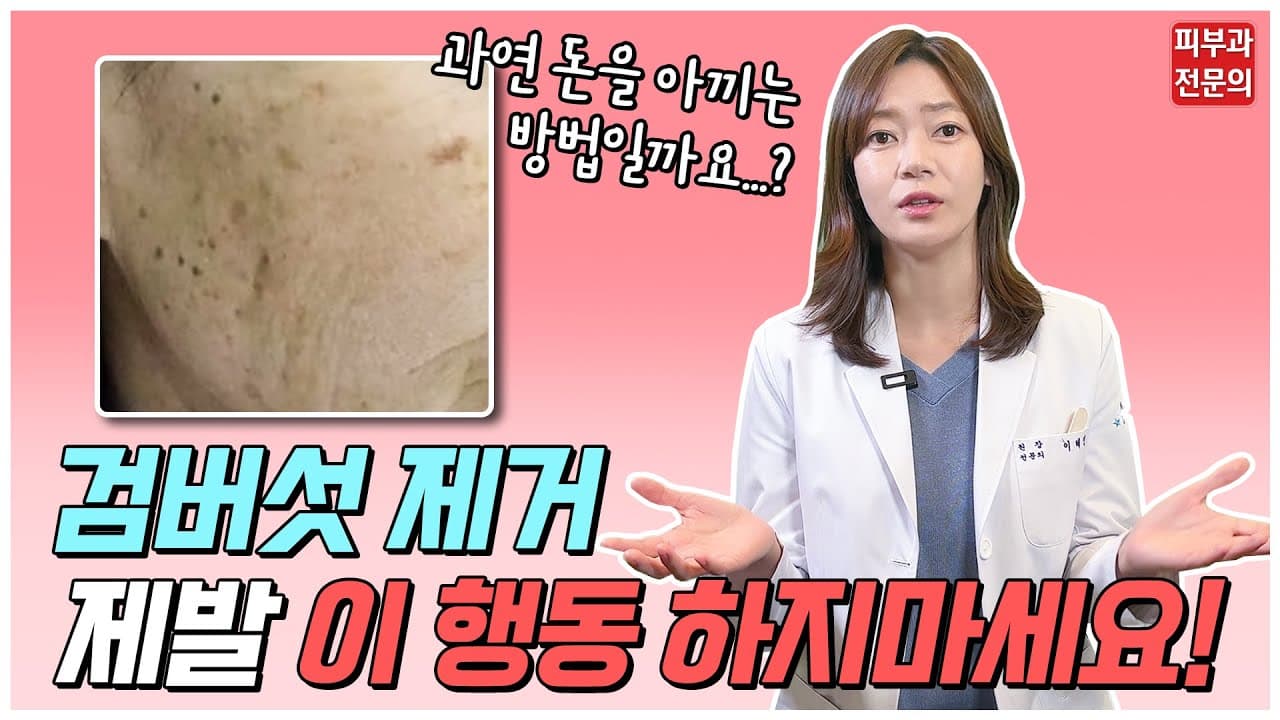
Hello, I am Dr. Hye-young Lee, a dermatologist. Seborrheic keratosis, commonly known as age spots and often seen in the elderly, has recently been observed in younger individuals in their 20s and 30s. They primarily appear in noticeable areas such as the face or back of the hands, and since they are difficult to conceal with makeup, appropriate treatment is important. Many people, due to concerns about the cost of seborrheic keratosis removal, try to remove them at home using vinegar or baking soda. However, these methods can actually cause skin damage and leave scars, so caution is needed. Today, we will learn more about seborrheic keratosis, which can affect anyone.
What exactly is seborrheic keratosis?
The formal medical term for seborrheic keratosis is seborrheic keratosis. It refers to a wart-like, pigmented, benign skin tumor composed of epidermal keratinocytes.
Why does seborrheic keratosis occur?
The exact cause of seborrheic keratosis is not yet clearly understood. However, the following factors are believed to be related:
- Aging: Given that it commonly appears in people in their 50s and 60s, skin aging is considered one of the main causes.
- UV exposure: It primarily occurs on the face or back of the hands, areas frequently exposed to UV light. The number of patients visiting for seborrheic keratosis has been increasing with more outdoor activities. This suggests that UV radiation may influence the development of seborrheic keratosis.
- Genetic factors: If family members or siblings have seborrheic keratosis, there is a higher probability of it developing in an individual.
How to distinguish between melasma, lentigo, and seborrheic keratosis?
Seborrheic keratosis initially begins as small, flesh-colored or light brown spots, gradually darkening in color, becoming bumpy, and thickening. Due to this initial form, it is sometimes mistaken for melasma or lentigo. However, since the removal treatments for melasma, lentigo, and seborrheic keratosis differ, accurate differentiation is essential.
- Melasma: The borders of the lesion are often indistinct, appearing as broad patches.
- Seborrheic keratosis: The borders are distinct, and over time, the color typically darkens, and the surface becomes bumpy and raised.
Why must seborrheic keratosis be treated by a dermatologist?
Once seborrheic keratosis appears, it does not disappear naturally over time. Furthermore, many people, due to cost concerns, attempt self-removal at home using substances like vinegar or baking soda. The claim is to remove them by causing microscopic damage to the skin with the acidic components of vinegar. However, these methods are not only ineffective for proper removal but can also easily lead to skin damage and scars due to inflammation.
If the cost of scar treatment is added to the cost of seborrheic keratosis removal, it is by no means a way to save money.
Unlike other skin conditions, seborrheic keratosis is an epidermal condition, so it can usually be sufficiently removed with just one or two laser treatments. Laser removal also reduces the likelihood of recurrence, so we strongly recommend consulting a dermatologist for safe and effective treatment.
Can seborrheic keratosis be skin cancer?
Although seborrheic keratosis is a benign tumor, it can sometimes progress to skin cancer such as squamous cell carcinoma, or skin cancer can be mistaken for seborrheic keratosis. If a suspected seborrheic keratosis lesion has an unusual shape, or if bleeding or oozing occurs from the area, we recommend visiting a university hospital dermatology department without delay for a detailed examination. If a suspected seborrheic keratosis lesion is found, it is advisable to consider prompt treatment.
Which laser is effective for seborrheic keratosis removal?
Laser treatment is the most effective method for removing seborrheic keratosis. CO2 laser is commonly used, but for lesions that are dark and thin, using devices like GentleMax PRO can yield even more satisfactory treatment results. GentleMax PRO is often known as a hair removal laser, but it also shows excellent effects in improving pigmented lesions.
Can seborrheic keratosis on the scalp also be treated with laser?
Seborrheic keratosis primarily occurs on the face or back of the hands, but it can also appear on other parts of the body, such as the scalp or arms. Scalp seborrheic keratosis, in particular, is known to frequently appear when the scalp in areas with hair loss is exposed to UV radiation.
Laser treatment is also possible for seborrheic keratosis on the scalp. Some people worry that laser treatment on the scalp might burn surrounding hair or damage hair follicles, leading to hair loss. However, seborrheic keratosis is a lesion only in the epidermis, so only the epidermis is removed, and hair follicles are located much deeper in the dermis, so there is no need to worry excessively.
Lifestyle habits for preventing seborrheic keratosis?
While it is difficult to completely prevent seborrheic keratosis, minimizing skin aging and prolonged UV exposure can help in prevention. Skin aging that comes with age cannot be stopped, but our skin ages faster with prolonged exposure to UV radiation. Therefore, please remember that diligently applying sunscreen is paramount.