
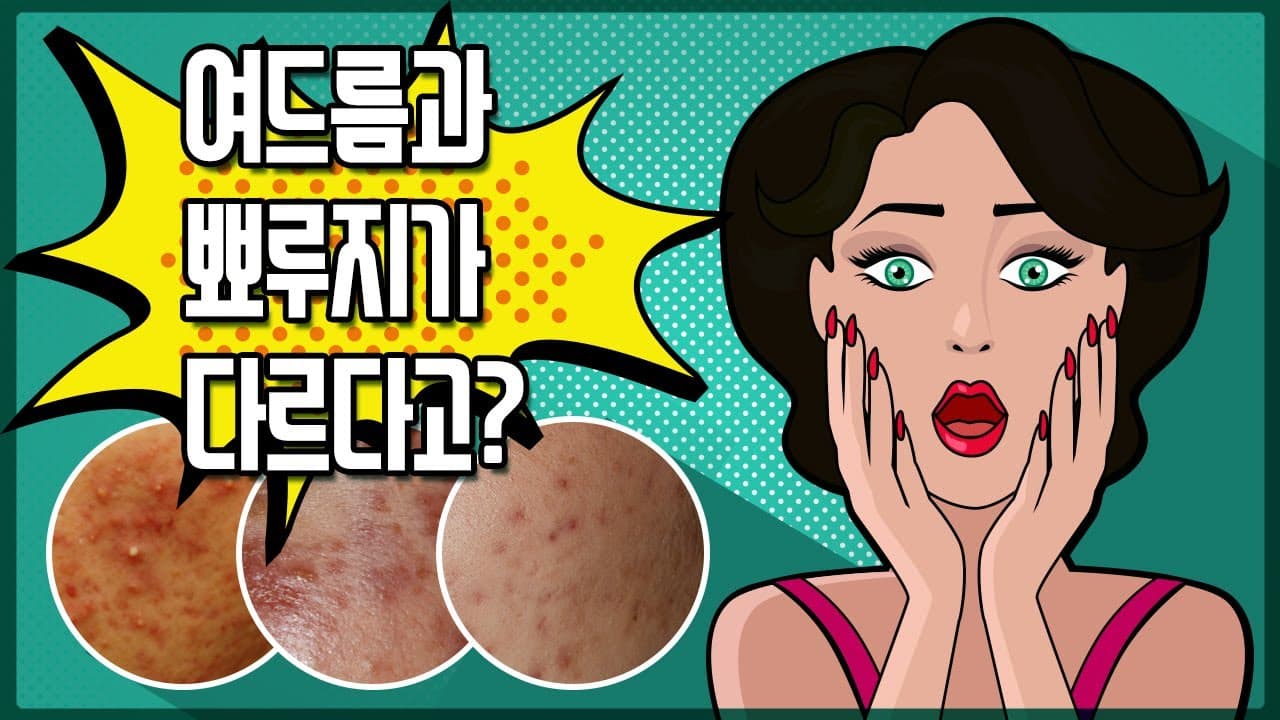
In hot weather, increased sebum secretion can easily lead to various skin troubles, including acne. Especially with mask-wearing becoming commonplace, there has been a noticeable increase in patients visiting for acne or contact dermatitis in the mask area. Today, we will clearly distinguish between 'pimples' and 'acne,' which are often confused due to their red, raised appearance, and learn about the treatment methods and precautions for each condition.
What are Pimples?
'Pimple' is not a precise medical diagnosis, but it is a general term often used when inflammation occurs close to the skin surface. This can include folliculitis, contact dermatitis, and various acneiform eruptions. Although pimples may look similar to acne, they are often different categories of conditions, and thus, treatment methods may need to be approached differently.
What is Folliculitis?
Folliculitis is, as the name suggests, an inflammation of the hair follicle, the pocket from which hair grows, and its surrounding structures. It mostly occurs as acute purulent inflammation, where bacteria on the skin surface enter the follicle and cause trouble, or external specific ingredients penetrate and cause inflammation.
Especially in areas where hair grows well, inflammation can occur due to habits like removing facial hair, waxing, or plucking remaining hairs after shaving, or hair growing inward, causing the hair root to lie flat and trigger trouble. If it occurs in the area where nose hair grows, it can be very painful. Sometimes, acneiform eruptions, which are red rashes around hair follicles in response to certain cosmetic ingredients, are also called pimples, even if they are not bacterial infections.
What is Contact Dermatitis?
Contact dermatitis is a skin condition caused by substances that come into contact with the face. It can be caused by the mask material itself when wearing a mask, or by friction between the skin and the mask. Furthermore, inhaled substances can be sealed by the mask, increasing skin irritation and potentially causing irritant contact dermatitis. It often involves redness, swelling, rash, and itching.
What is Acne?
Acne is a condition that occurs when the sebaceous glands in the dermis become abnormally overactive or bacteria proliferate. Hormonal activity and genetic factors also play a significant role in acne development.
What is the Difference Between Pimples and Acne?
The biggest difference between the two conditions lies in their 'starting point.'
- Folliculitis and contact dermatitis start close to the skin surface, whereas acne originates deeper within the sebaceous glands of the skin.
- Acne can expose comedones (blackheads, whiteheads), which are clumps of sebum that appear yellow or black on the surface, making extraction possible in some cases.
- On the other hand, pimples do not form sebaceous comedones, making them difficult to extract. When extracted, white watery or clear liquid may emerge, or almost nothing may be extracted.
Although they may look similar on the surface, attempting extraction can reveal the difference.
How are Pimples and Acne Treated?
Pimples (Folliculitis, Contact Dermatitis, etc.)
Since bacteria are often the cause, topical or oral antibiotics are frequently used to suppress them. In allergic cases, treatment may be based on allergy medication. Medication is usually taken for about a week, and the condition is often temporary. If lifestyle changes are not made, it is easy to fall into the same pattern again.
Acne
Acne has various causes and requires complex treatment depending on the condition. Representative treatment methods include oral medication, laser treatment, PDT, Gold PTT, and more.
Self-Extraction is Forbidden!
Attempting to self-extract pimples or acne can lead to bacterial infection or cause the inflammation to rupture deeper, leading to more severe inflammation. Furthermore, there are cases where small flat warts or seborrheic keratoses on the forehead or cheeks are mistaken for acne and self-extraction is attempted. This can cause the lesions to spread further due to physical irritation, so extreme caution is necessary. When skin troubles occur, it is best to visit a dermatologist for an accurate diagnosis and appropriate treatment before they worsen.