
![[Yonsei Star Dermatology Sinchon] Will My Burn Scar? - Cases Where Burn Scars Form Easily and Management Methods](/_next/image?url=https%3A%2F%2Fagqdgbuateknhwpocrgu.supabase.co%2Fstorage%2Fv1%2Fobject%2Fpublic%2Fsources%2Fbbf3bebe-45b6-4415-bd04-bda18b2cac0f%2Fblog-images%2F223354711734_00_a4e611de74d6.png%3Ftype%3Dw966&w=3840&q=75)
After getting burned by hot liquids, pots, curling irons, or electric blankets, the first concern that usually comes to mind is one question: "Will this burn scar?" To put it simply, whether a burn will scar largely depends on the depth and size of the wound, and the management during the recovery process.
In the clinic, we often see that even with similar-sized burns in the same area, some people heal without a trace, while others are left with red, firm scars for a long time. We will carefully examine where this difference comes from and which burn cases are more likely to lead to scarring.
Burn Scars: What Makes the Difference?

The extent of a burn scar is determined by several interacting conditions. The key is how deep the wound has penetrated the skin. The factors that influence this are summarized as follows:
- How large and deep the burn wound is
- How high the temperature of the substance that caused the burn was
- How long the skin was exposed to that heat
- Where on the body the burn occurred

The higher the temperature of the causative substance and the longer the exposure time, the deeper the heat penetrates the skin. It is reported that if the damage extends beyond the epidermis to the dermis, the probability of scarring increases accordingly.
Burn Stages Vary by Depth

Burns are categorized into stages based on the depth of the damage. As the depth increases, it becomes more difficult for the skin to regenerate on its own, and the likelihood of scarring also increases.
| Stage | Depth of Damage | Scar Tendency |
|---|---|---|
| 1st degree | Epidermis | Tends to heal without a trace |
| 2nd degree | Up to the dermis, blisters form | Increased risk of scarring |
| 3rd degree or higher | Beyond the entire dermis | High probability of scarring |

It is known that for burns of 2nd degree or higher, where blisters begin to form, the damage extends beyond the epidermis to the dermis, significantly increasing the probability of scarring.

The formation of blisters may be a sign that the damage has gone beyond the epidermis into the dermis. From this stage, it is advisable to manage the wound from a scar management perspective.
Even the Same Burn Varies by Location
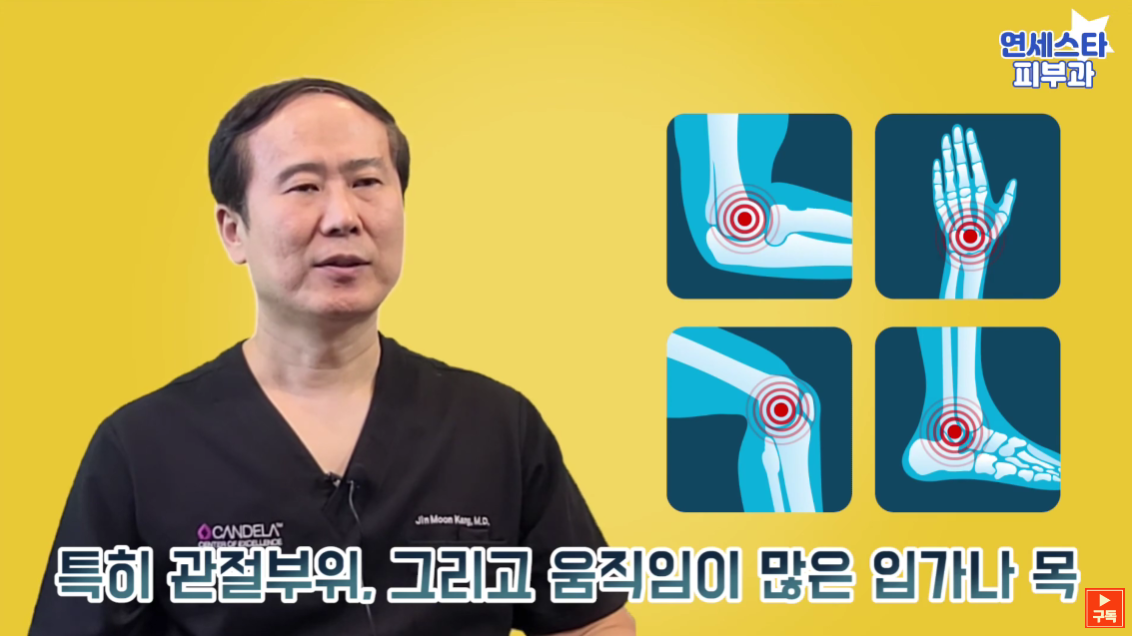
Another variable determining scarring is location. Burns on joint areas of the limbs, and frequently moving areas like the mouth or neck, tend to scar more easily.

If the skin is constantly pulled and moved while the wound is healing, stable recovery can be difficult. In areas with a lot of movement, scar tissue may form thickly or the skin may remain in a contracted state.

If you are curious about how burn or wound areas change during the recovery process, you may find it helpful to review the content on The Process of Burn Scarring and Treatment Directions.
When to Suspect Hypertrophic Scars and Contracture Scars

If a burn wound does not improve after 2-3 months and the following changes continue, it may be progressing to a hypertrophic scar or contracture burn scar:
- The burn area remains persistently red
- Stinging and itching symptoms continue
- The wound area becomes increasingly red and larger
- The scar feels hard and raised, or the skin feels pulled

If you observe such changes, it is advisable to have the condition checked before the scar fully forms. Similar patterns can appear in other areas, so if you are concerned about raised scars, information on Differences Between Keloids and Hypertrophic Scars may also be helpful. If it's difficult to determine what kind of management is needed, you can organize your condition first by inquiring via chat consultation when you have questions about burn scar management.
How to Prevent Burn Wounds from Becoming Scars

Immediate post-burn care significantly influences whether a scar will form. Here are the basic principles you can pay attention to at home:
- Do not intentionally burst blisters; protect them
- Maintain an appropriate moist environment to prevent the wound area from drying out
- Reduce UV exposure to the recovering area
- Protect the area from frequent movement or pulling
- If redness, itching, or firmness persists after 2-3 months, seek medical attention
Even if a scar has already formed, depending on its condition, a phased approach addressing aspects like pigmentation, thickness, and pulling can be considered. However, burn scars vary in depth, location, and recovery, so it is difficult to generalize with a single method.
If You've Completed Your Self-Check
The first few days of burn care and the subsequent 2-3 months are critical in determining whether a scar will form. Carefully assess what stage your burn was, whether the area was susceptible to scarring, and if there are any signs of slow recovery. If you are unsure, rather than worrying alone, using inquiry via chat consultation when you have questions about your burn condition and suitable management can make it much easier to decide on the next steps.
Dr. Sang-Joo Lee, Chief Director (MD, PhD, Yonsei University College of Medicine and Graduate School, Completed Dermatology Residency at Severance Hospital, President of the Korean Society for Dermatology) Dr. Sang-Joo Lee's Profile First published 2024-02-15 / Last reviewed 2026-06-16
This content is for general informational purposes only, and the patterns of burns and scars can vary by individual. Therefore, please confirm an accurate diagnosis and treatment plan through consultation with medical staff.