
![[Yonsei Star Dermatology Sinchon] Is 100% Removal of Keloid Scars Possible? / Sinchon Station Dermatology](/_next/image?url=https%3A%2F%2Fagqdgbuateknhwpocrgu.supabase.co%2Fstorage%2Fv1%2Fobject%2Fpublic%2Fsources%2Fbbf3bebe-45b6-4415-bd04-bda18b2cac0f%2Fblog-images%2F223029214541_00_14ed11cb1ae5.png%3Ftype%3Dw966&w=3840&q=75)
If you have a scar that has risen prominently above the skin and, instead of subsiding over time, seems to be growing larger, it might be a keloid rather than a typical scar. The most common question we hear in the consultation room boils down to one: "Can keloids be completely removed?" To answer directly, keloids are scars that are difficult to approach with the concept of 100% removal or complete cure, as commonly understood.
What kind of scar is a keloid?
During the healing process of a wound, the skin produces collagen to fill the damaged area. However, if this process occurs excessively, the scar tissue can grow beyond the original wound boundary, invading the surrounding skin. This is a keloid. Beyond being simply raised, it can sometimes be accompanied by sensory symptoms like itching or stinging.

Though similar in appearance, hypertrophic scars and keloids are distinct. The differences are summarized as follows:
| Category | Hypertrophic Scar | Keloid |
|---|---|---|
| Extent | Stays within the original wound boundary | Extends beyond the wound boundary to the surroundings |
| Course | Tends to flatten over time | Often does not subside on its own |
| Recurrence | Relatively low | Recurrence is reported |
Why they occur is not yet clear

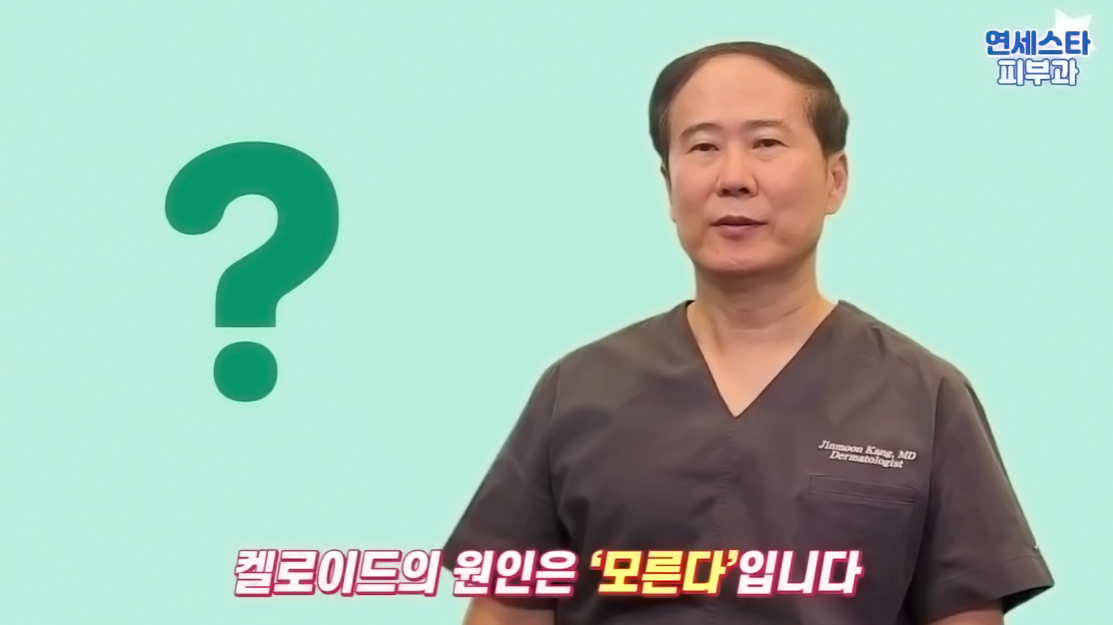
Many people wonder, "Why do I have such severe scars?" To be frank, the exact cause of keloid formation is still not clearly understood. Various factors are reported to play a role, including constitutional predisposition, tension in the wound area, and inflammatory reactions.
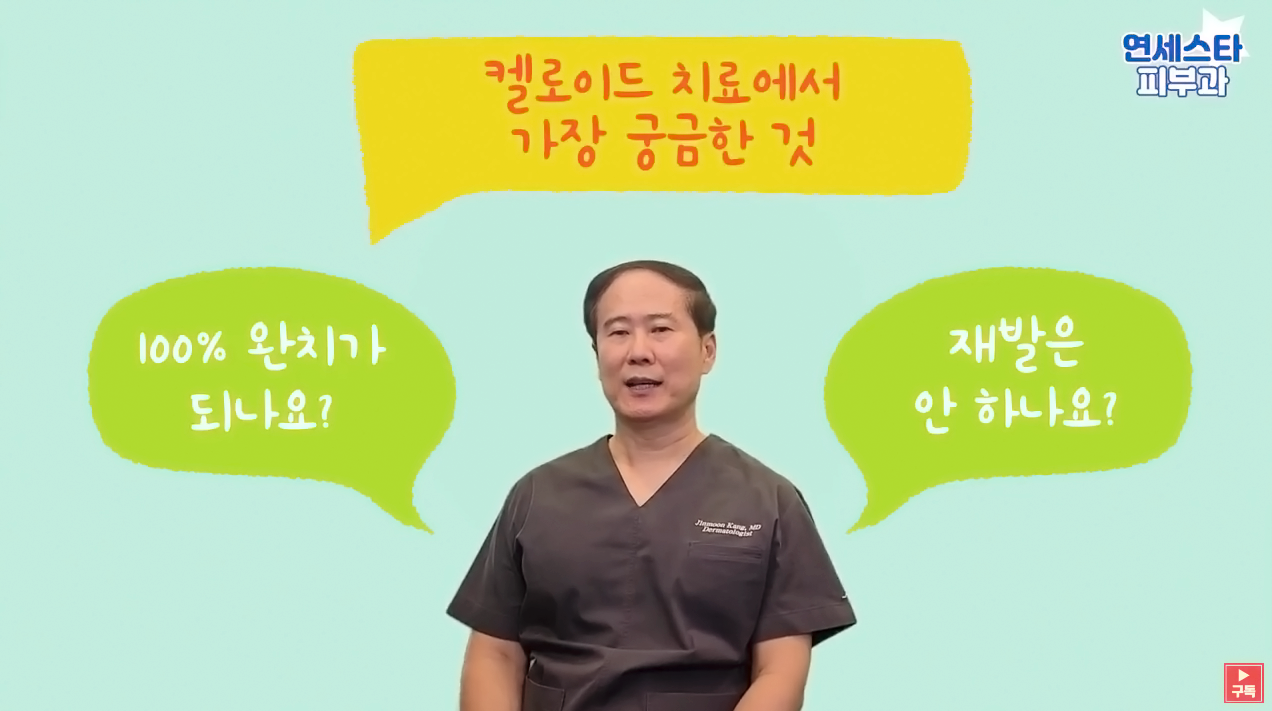
The unclear cause directly influences the direction of treatment. Rather than aiming for complete eradication, it is more realistic to approach treatment by making the scar less noticeable and minimizing the progression of growth or recurrence.
Keloids are not scars that can be perfectly erased like with an eraser. Rather than the concept of 100% cure, how they are managed is more important.
Reasons why 100% removal is difficult
Keloids are scars for which recurrence is reported even after treatment. Therefore, it is important to clearly set the treatment goal from the outset. Attempting to remove them aggressively in one go can actually stimulate them and make the scar more prominent, so we approach them with the following perspectives:
- Reducing the scar to a height similar to the surrounding skin
- Decreasing its color and thickness to make it less noticeable
- Alleviating sensory symptoms such as itching or stinging
- Minimizing the progression of recurrence and further expansion
If you are concerned about keloid scars, we recommend checking information on Keloid Scars and Cosmetic Surgery Scars. If you need more detailed consultation, feel free to inquire via Keloid Scar Chat Consultation.
Yonsei Star Dermatology Sinchon's Combined Treatment Approach
Yonsei Star Dermatology Sinchon approaches keloid scar treatment comprehensively, drawing on 20 years of experience, rather than relying on a single method. The core is a combination of the latest vascular laser, Vbeam Prima, and keloid injections.

We use two main approaches: laser treatment to target the blood vessels and redness of the scar tissue, and injection therapy to reduce its thickness. A major concern for patients during keloid injection treatment is pain, so we also focus on reducing this burden by applying low-pain methods. If you are curious about related procedures, please refer to Triamcinolone Scar Injection.
Things to consider during treatment

Keloids are scars that are managed by observing their progress and adjusting treatment at regular intervals, rather than being resolved with a single procedure. Treatment effects and progress can vary individually, so keeping the following in mind may be helpful:
- Adhere to the prescribed treatment intervals and do not discontinue arbitrarily.
- Avoid scratching or irritating the scar area.
- Be careful to prevent skin damage, as new wounds can lead to further keloids.
- If you notice any changes during the course of treatment, inform the medical staff at your next appointment.
If you have scars in multiple areas or are concerned about other types of scars, you can receive guidance tailored to your condition through Scar Treatment Chat Consultation.
In conclusion

While keloids are not scars that can be perfectly eliminated, they can be managed through consistent treatment to make them less noticeable and prevent further growth. The important thing is to accurately understand the condition of your scar and work with the medical staff to determine the appropriate course of action. We recommend getting an accurate diagnosis first rather than worrying alone.
Chief Director Lee Sang-ju (MD, PhD, Yonsei University College of Medicine and Graduate School; Completed Dermatology Residency at Severance Hospital; President of the Korean Dermatological Association) Chief Director Lee Sang-ju's Profile First Published 2023-02-27 / Last Reviewed 2026-06-16
This article provides general information about keloid scars. Treatment results and progress may vary individually, and the exact diagnosis and treatment plan should be determined through consultation with medical staff.