
![[Yonsei Star Dermatology Sinchon] How to Remove Lentigo and Seborrheic Keratosis: Focusing on RePott Laser](/_next/image?url=https%3A%2F%2Fagqdgbuateknhwpocrgu.supabase.co%2Fstorage%2Fv1%2Fobject%2Fpublic%2Fsources%2Fbbf3bebe-45b6-4415-bd04-bda18b2cac0f%2Fblog-images%2F224182824815_00_5487677dcbad.jpg%3Ftype%3Dw966&w=3840&q=75)
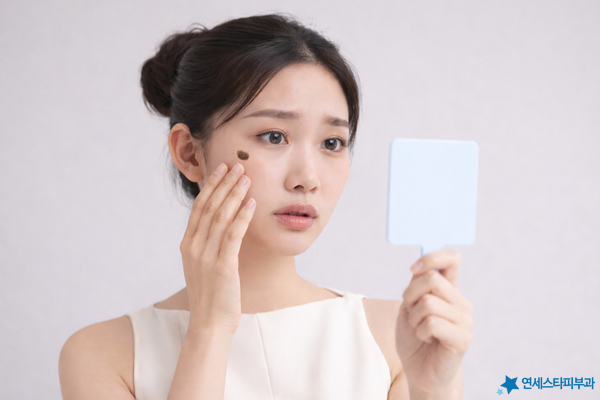
The reason your face in the mirror looks darker and duller than before is often due to the increasing number of brown spots. The first question that usually comes to mind is: "Is this melasma, lentigo, or seborrheic keratosis?"
Although they all appear as similar brown spots, lentigo, seborrheic keratosis, and melasma have different causes and treatment approaches. Therefore, rather than simply repeating the same procedure, the first step is to identify the type of lesion you have.
Similar-looking brown lesions, why is differentiation important first?
Brown lesions that appear on the skin vary in nature depending on the depth of the color and whether there are tissue changes. This is because the laser and treatment method that respond will differ depending on whether the pigment remains in the epidermis or if the tissue has thickened.
Accurately distinguishing the type of lesion is considered the first step to reducing unnecessary repeated procedures and increasing satisfaction.
In the examination room, many people who come in saying that their spots don't fade even after multiple toning sessions are actually found to have seborrheic keratosis or deep lesions. Since the starting point is different even for the same brown color, there are limitations to using the same method.
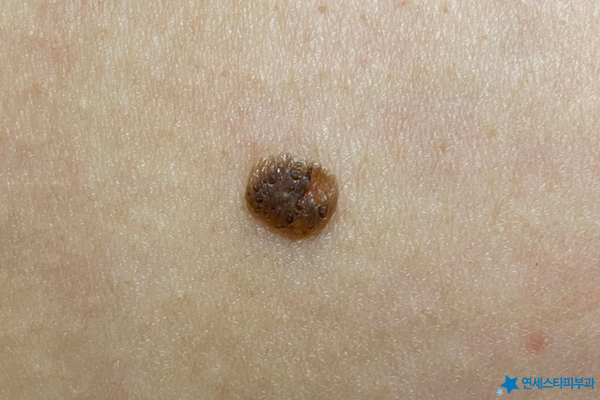
What is lentigo (solar lentigo)?
Lentigo is a pigmented lesion caused by excessive melanin production. As the name solar lentigo suggests, UV exposure is considered a primary cause.
- UV exposure acts as a primary cause
- Appears as relatively distinct brown spots
- Commonly occurs on sun-exposed areas such as the face, back of hands, and arms
- Relatively common in people in their 20s to 40s
Since it is often confined to the epidermal layer, it is easy to think that it can be easily removed. However, it tends to recur frequently, and as time passes, its borders become clearer and more noticeable, making it one of the common concerns.
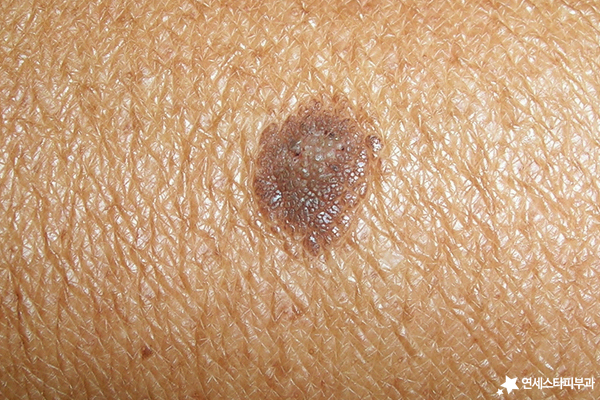
Why doesn't seborrheic keratosis fade well with toning?
Seborrheic keratosis is also called senile keratosis or age spots. It is a benign tumor related to aging, and unlike lentigo, it is characterized by the proliferation of skin tissue, not just an increase in pigment.
The surface may appear slightly raised or rough, and the color is often dark brown to blackish-brown. The incidence tends to increase with age. Since it is a form where the tissue has thickened, it is difficult to remove with general toning alone.
Lentigo and Seborrheic Keratosis, a quick comparison
Although they may look similar to the naked eye, these two lesions have different characteristics. The differences are summarized in the table below.
| Category | Lentigo (Solar Lentigo) | Seborrheic Keratosis |
|---|---|---|
| Main Cause | UV exposure, excessive melanin | Benign tumor related to aging |
| Surface Form | Flat brown spots | Slightly raised or rough surface |
| Color | Brown | Brown to dark brown |
| Tissue Change | Often confined to the epidermis | Form with tissue proliferation |
| Toning Response | Responds somewhat, but frequent recurrence | Difficult to remove with toning alone |
Both lentigo and seborrheic keratosis share the commonality of occurring in the epidermal area. However, differences in pigment depth, skin tissue changes, and laser responsiveness can lead to variations in suitable equipment and treatment methods. Information on pigment issues in general can also be found in the Epidermal Pigment Removal guide for blemishes, seborrheic keratosis, and freckles.
Why is customized treatment tailored to the lesion important?
Incorrect laser selection can increase the possibility of residual pigment, recurrence, and post-inflammatory hyperpigmentation. Therefore, customized treatment tailored to the lesion is considered important. Even for the same brown color, if the depth and shape are different, the energy and mode to be delivered will vary.
If you have any questions, you can comfortably ask them through chat consultation about pigment lesions and treatment directions.

How is RePott Laser used for pigment lesions?
RePott Laser is a device used to selectively target pigment lesions and deliver energy. The intensity and mode can be adjusted according to the depth and shape of the lesion, making it useful for removing various epidermal blemishes, including lentigo, and sometimes in combination with other treatments for seborrheic keratosis.
The characteristics of the RePott Laser method are summarized as follows:
- Treatment method that selectively targets lesions
- Relatively fast treatment time
- Aims to minimize damage to surrounding healthy tissue
- Adjustable intensity and mode tailored to pigment lesions
Especially for lentigo with clear borders or deeply pigmented lesions, a relatively clear improvement can be expected. However, individual results and the number of sessions may vary.
How are the number of sessions and combination treatments determined?
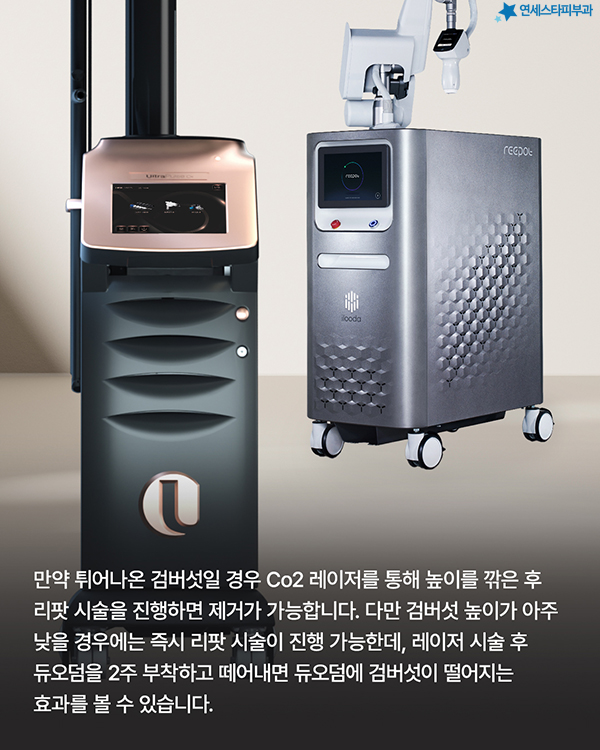
The number of treatment sessions required may vary depending on the size, depth, and skin type of the lesion. Additionally, when treating raised seborrheic keratosis, combination treatments such as RePott Laser and CO2 laser may be used to further enhance the completeness of the treatment.
Here are some important points to check before treatment:
- First, distinguish whether your lesion is lentigo or seborrheic keratosis through diagnosis
- Check the depth of the pigment and whether there are tissue changes
- Understand that treatment may not be completed in a single session
- Ensure post-treatment care, such as UV protection

In summary
Accurately understanding the difference between lentigo and seborrheic keratosis is the first step to reducing unnecessary repeated procedures and increasing satisfaction. Even if brown lesions look similar, their causes can be different, so it is important to establish a treatment plan after an accurate diagnosis of individual skin conditions. If you are also concerned about raised lesions like moles or warts, information on Laser Lesion Removal may also be helpful.
💬 Consult Now
Chief Director Lee Sang-joo (MD, PhD, Yonsei University College of Medicine and Graduate School, completed dermatology residency at Severance Hospital, President of the Korean Dermatological Association) Chief Director Lee Sang-joo's Profile First published 2026-02-13 / Last reviewed 2026-06-16
Even for the same brown lesion, the depth and response may vary from person to person, so please confirm the accurate diagnosis and treatment direction through consultation with medical staff.