
![[Yonsei Star Dermatology Sinchon] How to Improve Treatment Efficacy for Seborrheic Keratosis, Cafe-au-lait Spots, and Blemishes? / Sinchon Station Dermatology](/_next/image?url=https%3A%2F%2Fagqdgbuateknhwpocrgu.supabase.co%2Fstorage%2Fv1%2Fobject%2Fpublic%2Fsources%2Fbbf3bebe-45b6-4415-bd04-bda18b2cac0f%2Fblog-images%2F222858027827_00_799cc550afd4.jpg%3Ftype%3Dw1&w=3840&q=75)
Brown pigmentations on the face and body, such as seborrheic keratosis, cafe-au-lait spots, and Becker's nevus, are concerns that bother you every time you look in the mirror. The most common question we hear is always the same: "Can this be completely removed with a laser?" To get straight to the point, the basic treatment for pigmentary disorders, whether epidermal or dermal, is laser, and satisfaction varies depending on which equipment is used and with what expertise.
How are Seborrheic Keratosis, Cafe-au-lait Spots, and Becker's Nevus Different?
Even if their names seem similar, their causes and manifestations are all different. In the clinic, it is not uncommon to see two or three types coexisting in one patient.
- Seborrheic Keratosis Occurs due to a combination of sun exposure, genetics, and aging. It often does not heal naturally and tends to spread over time.
- Cafe-au-lait Spots Named for their resemblance to the color of milk coffee, these light brown spots often appear shortly after birth.
- Becker's Nevus Appears as mottled yellowish-brown spots that gradually enlarge, with hair growing on top of them.
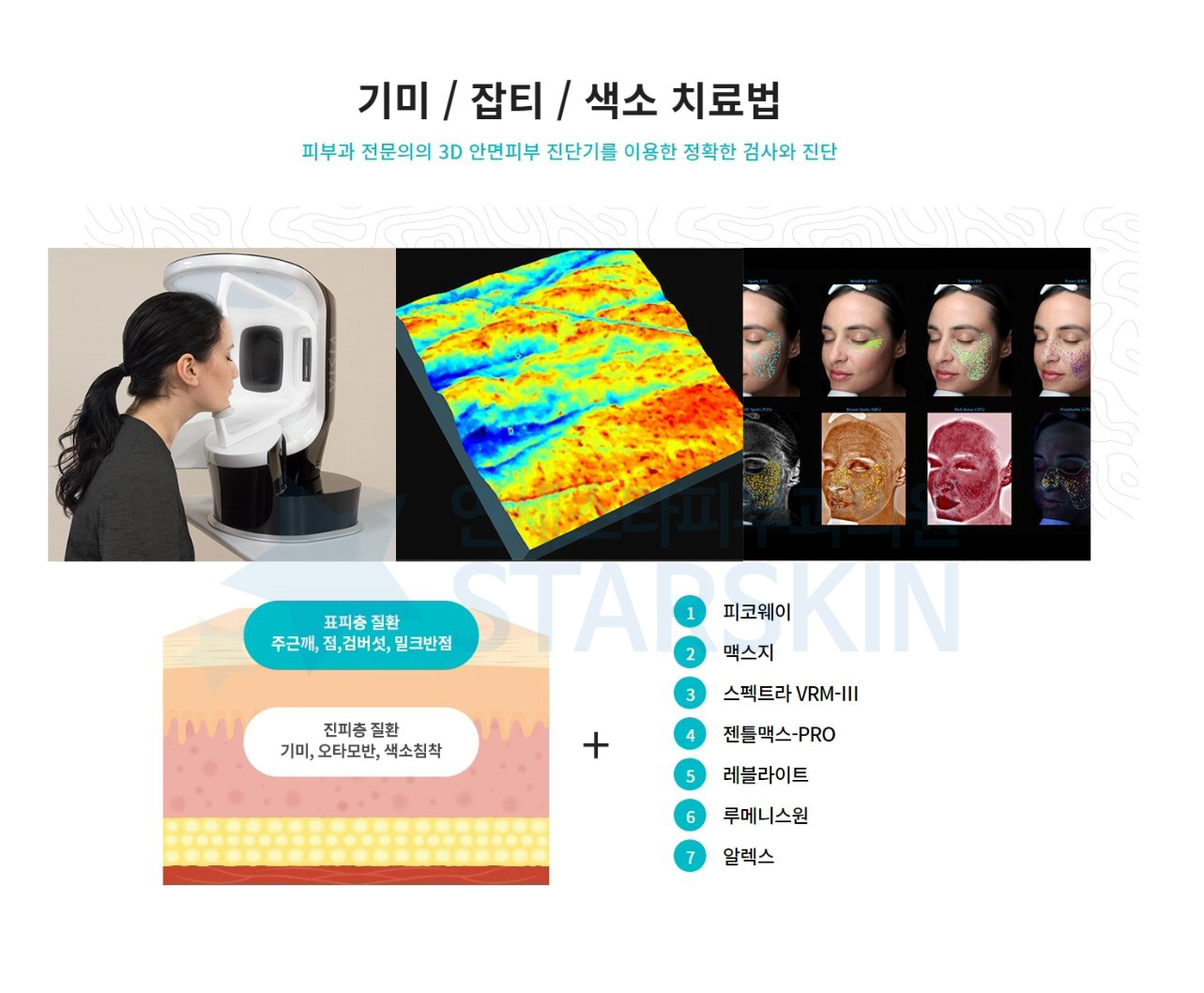
Why Should You Get Them Checked Early?
A common characteristic of pigmentary disorders is their tendency to increase in size or darken over time. It is more advantageous for management to accurately identify the condition and determine the direction of treatment early on.
Whether it's epidermal or dermal pigmentation, the basic treatment for pigmentary disorders is laser.
Laser treatment is a core pillar for both epidermal pigmentations like seborrheic keratosis and cafe-au-lait spots, and dermal pigmentations like nevus of Ota, melasma, and post-inflammatory hyperpigmentation.
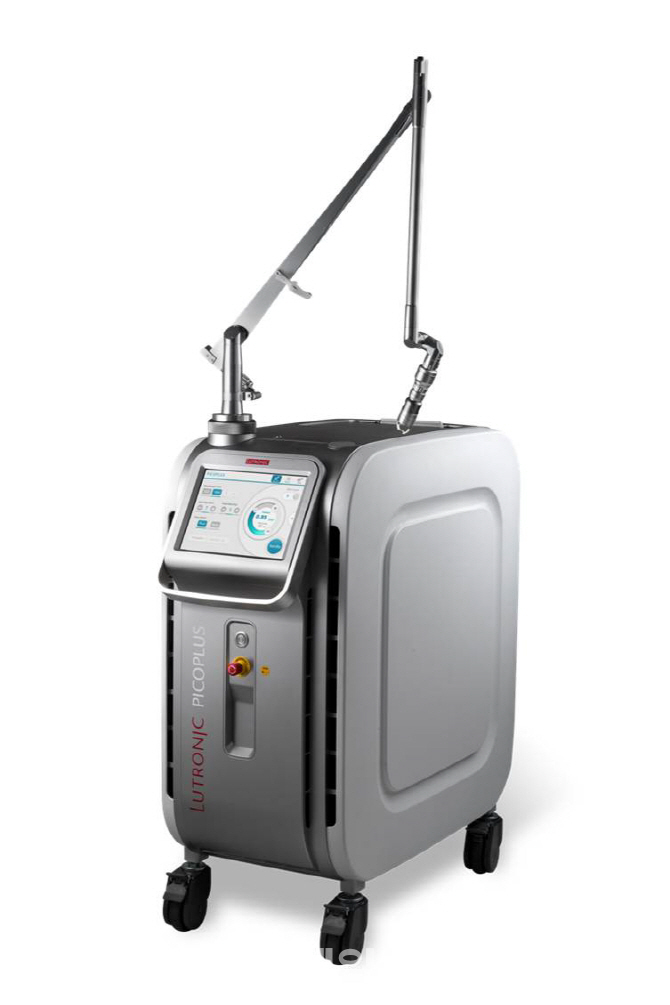
Why Do Lasers Differ by Pigment Type?
Different equipment is suitable depending on the depth and pattern of the pigmentation. Rather than treating all pigmentations with one device, choosing the appropriate device for the nature of the pigment tends to yield better results.
| Pigment Type | Location | Primary Approach |
|---|---|---|
| Seborrheic Keratosis | Epidermal layer | GentleMax PRO Laser |
| Cafe-au-lait Spots | Epidermal layer | Picosecond Laser Toning |
| Melasma·Post-inflammatory Hyperpigmentation | Dermal layer | Pigment Laser Toning |
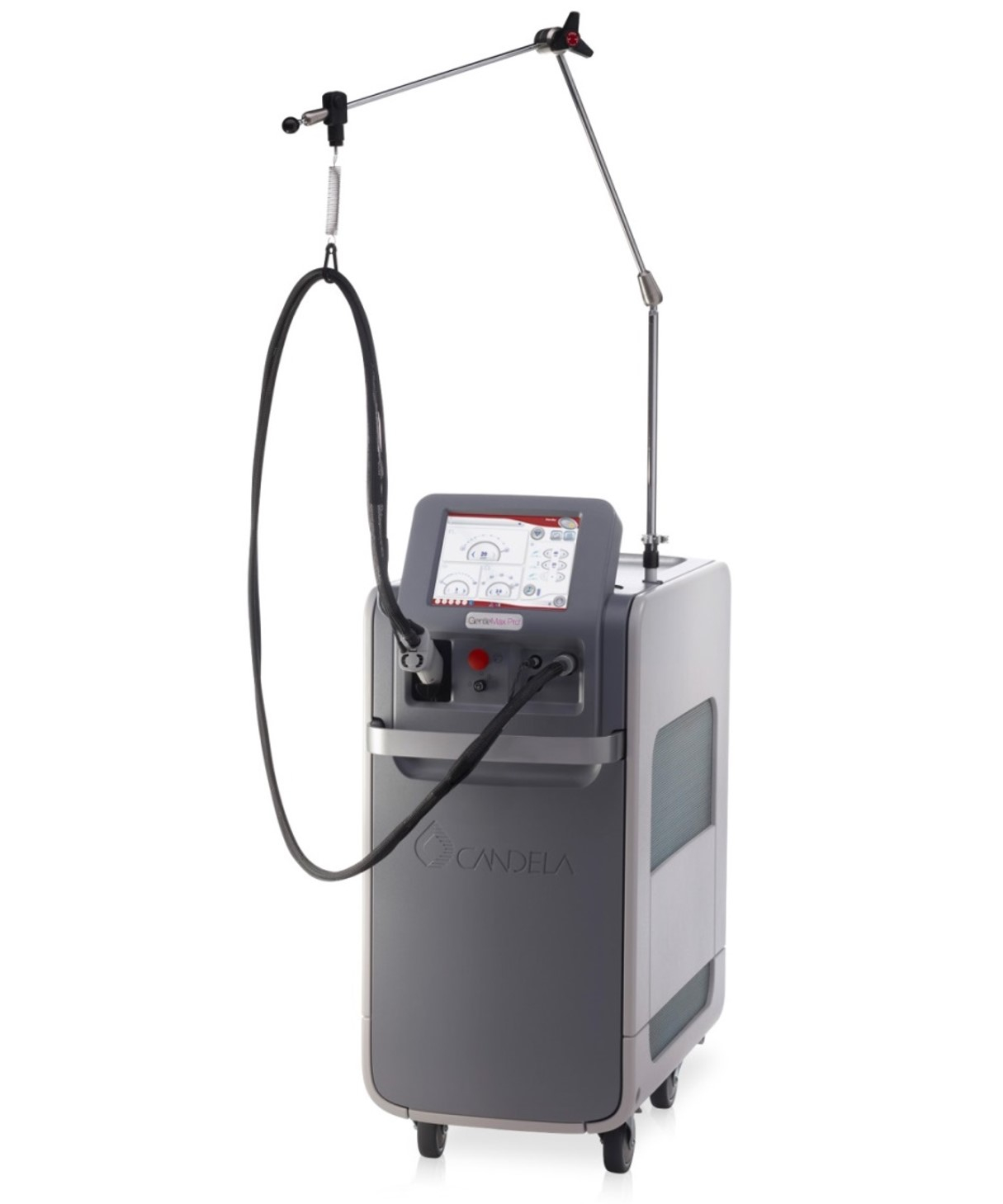
Pico Toning for Cafe-au-lait Spots
Cafe-au-lait spots show relatively satisfactory results when toned with a picosecond laser, which is used for improving pigmentary disorders. Pico Toning allows for immediate return to daily life after the procedure and minimizes side effects, making it possible to proceed with less burden.
Please feel free to leave any questions you have via chat consultation regarding pigment laser treatment.

Why GentleMax PRO is Used for Seborrheic Keratosis
GentleMax PRO is well-known as a hair removal laser, but it is also utilized for improving pigmentary disorders. Generally, when removing seborrheic keratosis by burning it off with a CO2 laser, it is reported that a regenerative tape must be applied after the procedure, and oozing or post-inflammatory hyperpigmentation may occur.
Yonsei Star Dermatology Sinchon uses the GentleMax PRO laser for seborrheic keratosis treatment, causing scabs to form only on the seborrheic keratosis area and then fall off. As a result, a key advantage is that no separate regenerative tape needs to be applied after the removal procedure.

If epidermal pigmentations such as blemishes and freckles are present along with seborrheic keratosis, they may be addressed according to the condition through Epidermal Pigment Removal. If moles or warts are mixed in, they are approached separately with Laser Lesion Removal.
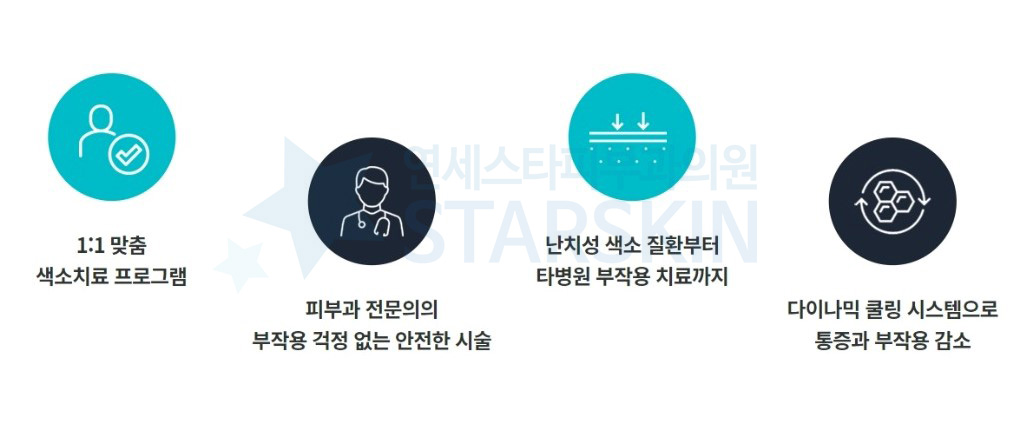
Customized Approach That Doesn't End with One Device
About 10 years ago, the directors of Yonsei Star Dermatology Sinchon confirmed through clinical trials that when the GentleMax PRO laser and the clinic's treatment expertise combine, seborrheic keratosis can be significantly improved with just 1-2 sessions. Individual results may vary.

Yonsei Star Dermatology Sinchon possesses various pigment laser devices such as MAX G, Lumenis One, and Revlite, enabling personalized 1:1 customized pigment treatment. If not only the pigment itself but also the overall skin tone needs to be considered, Customized Whitening Solution may be combined. Five dermatologists confirm the condition and jointly determine the treatment direction.
Checkpoints Before Pigment Treatment
- First, confirm through examination whether the pigment is epidermal, dermal, or mixed.
- Treatment may proceed in several sessions depending on the condition, rather than being completed in one go.
- Sun protection after the procedure is fundamental for pigment management.
- Temporary swelling, redness, or scabs may occur, so it is important to understand the recovery process in advance.
The key is to first identify the type and depth of the pigment, then select the appropriate equipment, and approach it step-by-step.
💬 Consult Now
Chief Director Lee Sang-joo (MD, PhD, Yonsei University College of Medicine and Graduate School; Completed Dermatology Residency at Severance Hospital; President of the Korean Dermatological Association) Chief Director Lee Sang-joo Profile First Published 2022-08-25 / Last Reviewed 2026-06-16
Temporary swelling, redness, scabs, or hyperpigmentation may appear depending on individual skin characteristics, and we recommend consulting with medical staff to determine an accurate diagnosis and treatment plan.