
![[Yonsei Star Dermatology Sinchon] Fingernail Scars · Facial Scratches: The Importance of Laser Treatment Tailored to Your Condition](/_next/image?url=https%3A%2F%2Fagqdgbuateknhwpocrgu.supabase.co%2Fstorage%2Fv1%2Fobject%2Fpublic%2Fassets%2Fyonsei-star%2Fblog%2F224391010882%2F1.jpg&w=3840&q=75)
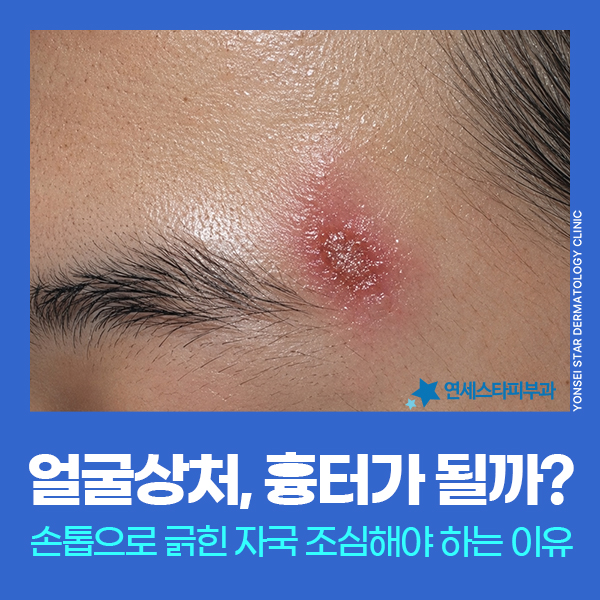
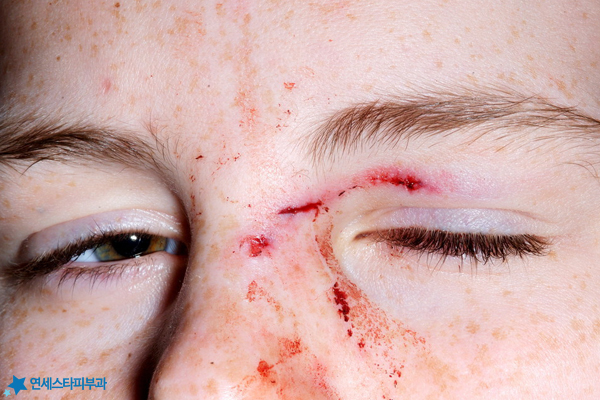
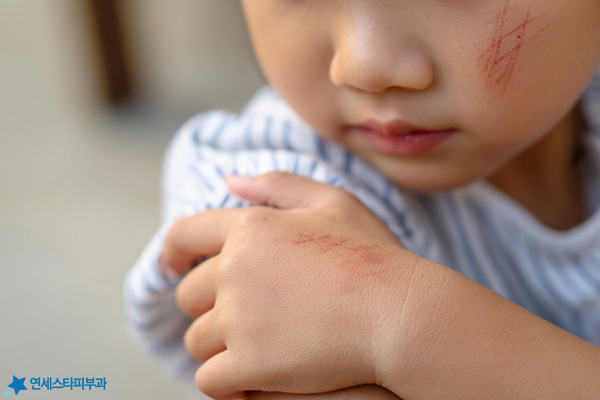
It's more common than you might think to get thin scratches on your face from a pet's claws or from falling. The problem arises when the healed mark remains. Linear marks on the face often aren't covered by makeup and may not fade on their own over time.
Treatment for such scars varies completely depending on when they occurred and what shape they have taken now.
Why the Same Injury Leaves Different Scars
Scratches or scrapes have different outcomes depending on how much the dermis was damaged and the individual's healing response.
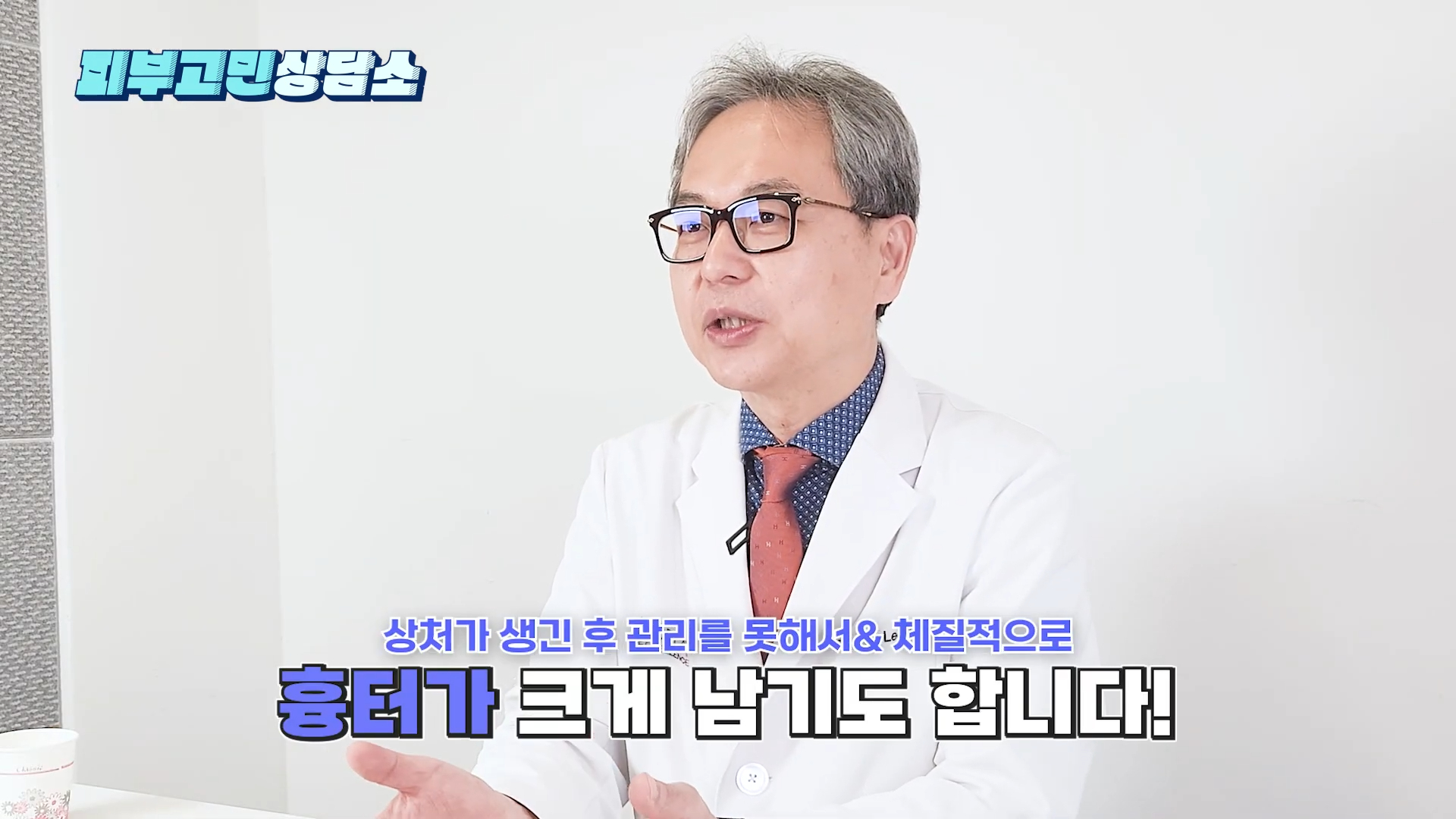
Immediately after the injury, the area goes through a period of prominent redness as blood rushes to it. If the dermis isn't sufficiently filled afterward, it can harden into a depressed scar. Conversely, if collagen is excessively produced due to one's constitution, it can become a keloid raised above the skin.
Therefore, a one-size-fits-all approach with a single laser is not suitable. It's important to first assess what form the scar has taken.
Early Stage with Redness — Vascular Laser
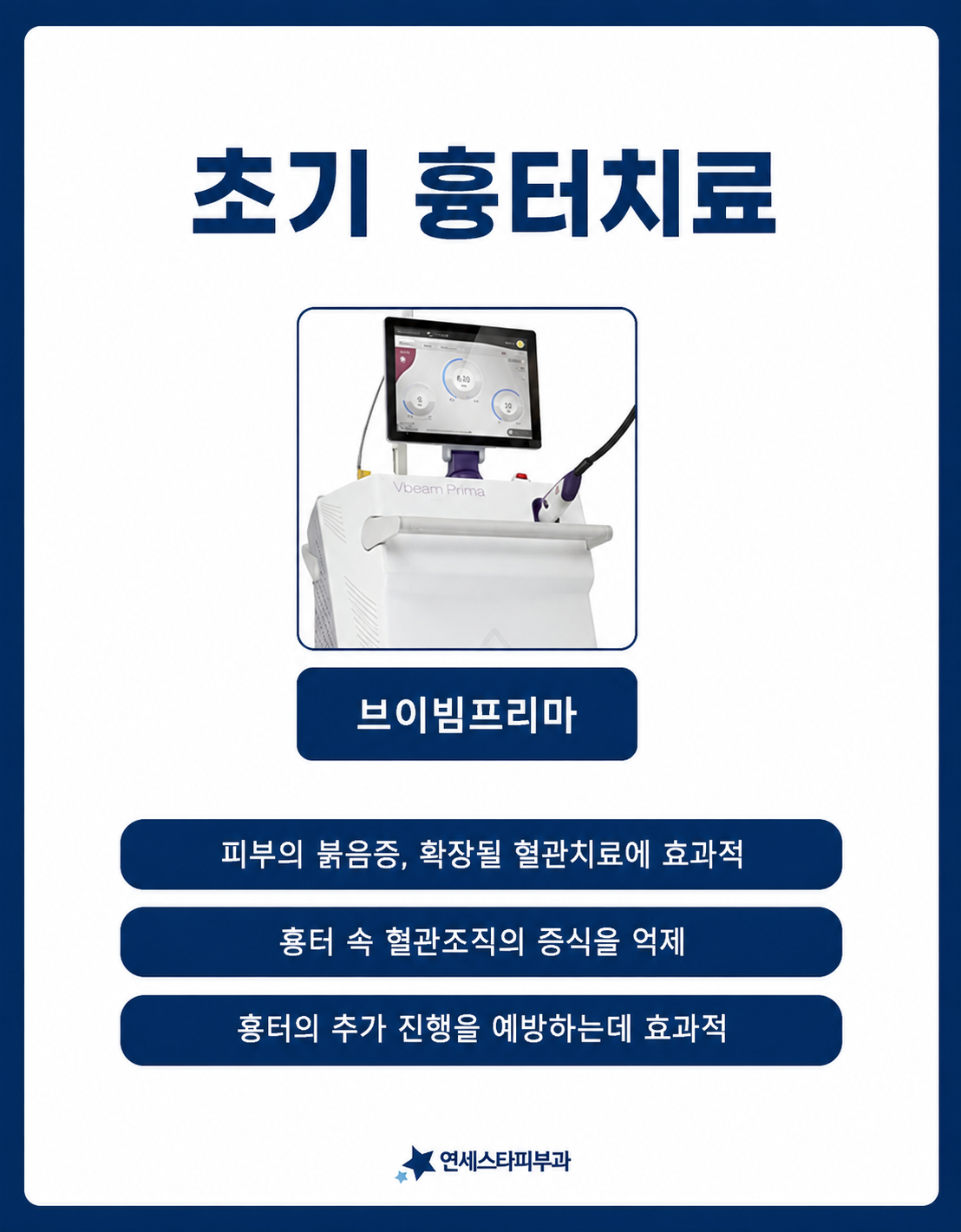
In the early stage, when the scar is relatively new and distinctly red, Vbeam Prima is the primary choice.
This pulsed dye laser uses 585nm and 595nm wavelengths, which are selectively absorbed by hemoglobin in dilated capillaries. It's designed to reduce only the blood vessels causing redness without affecting surrounding tissue.
Intervening at this stage not only lightens the redness but also helps to prevent the inflammation from prolonging, leading to pigmentation or the scar hardening.
Depressed Scars After Redness Subsides — Regenerative Laser
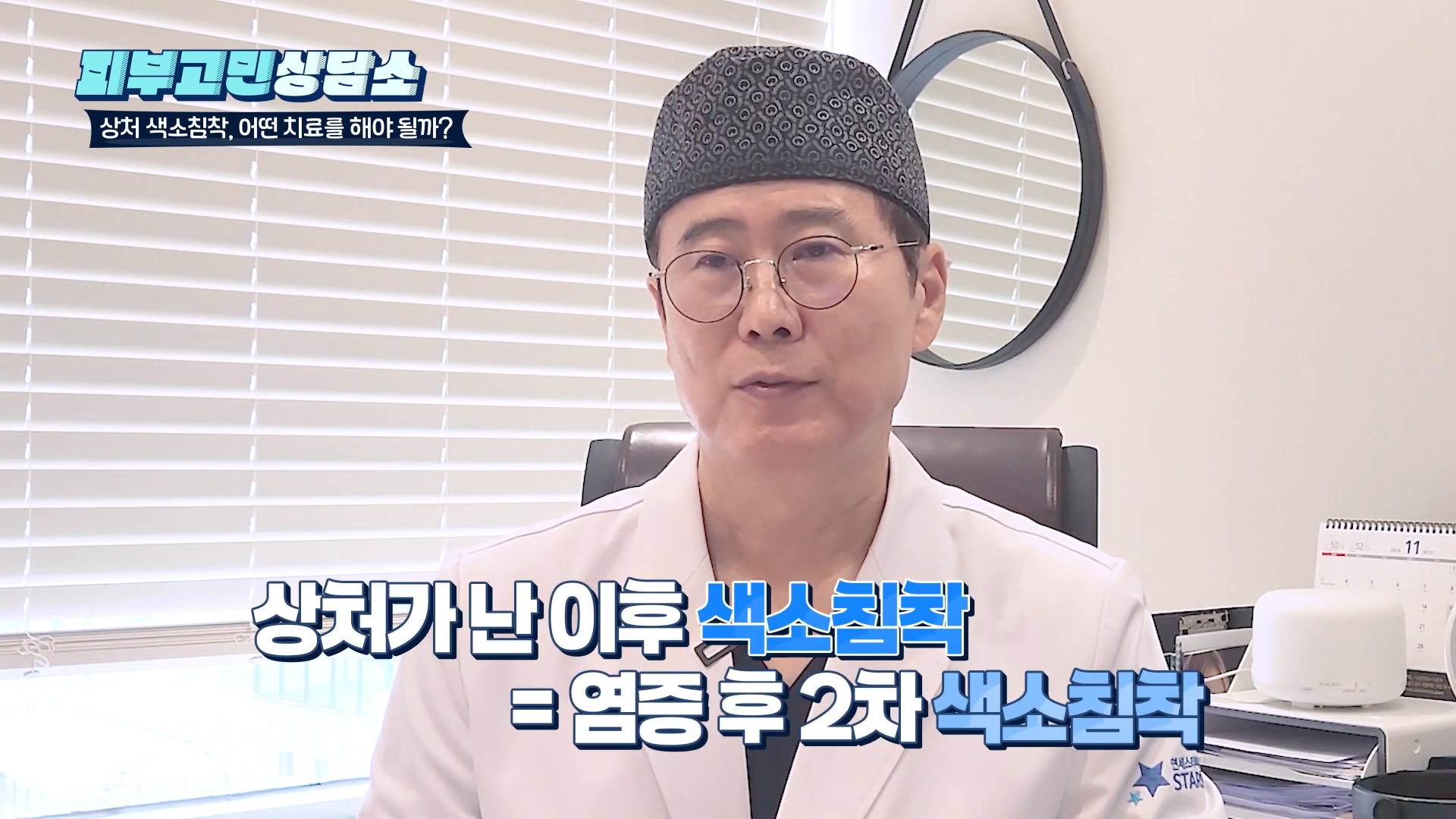
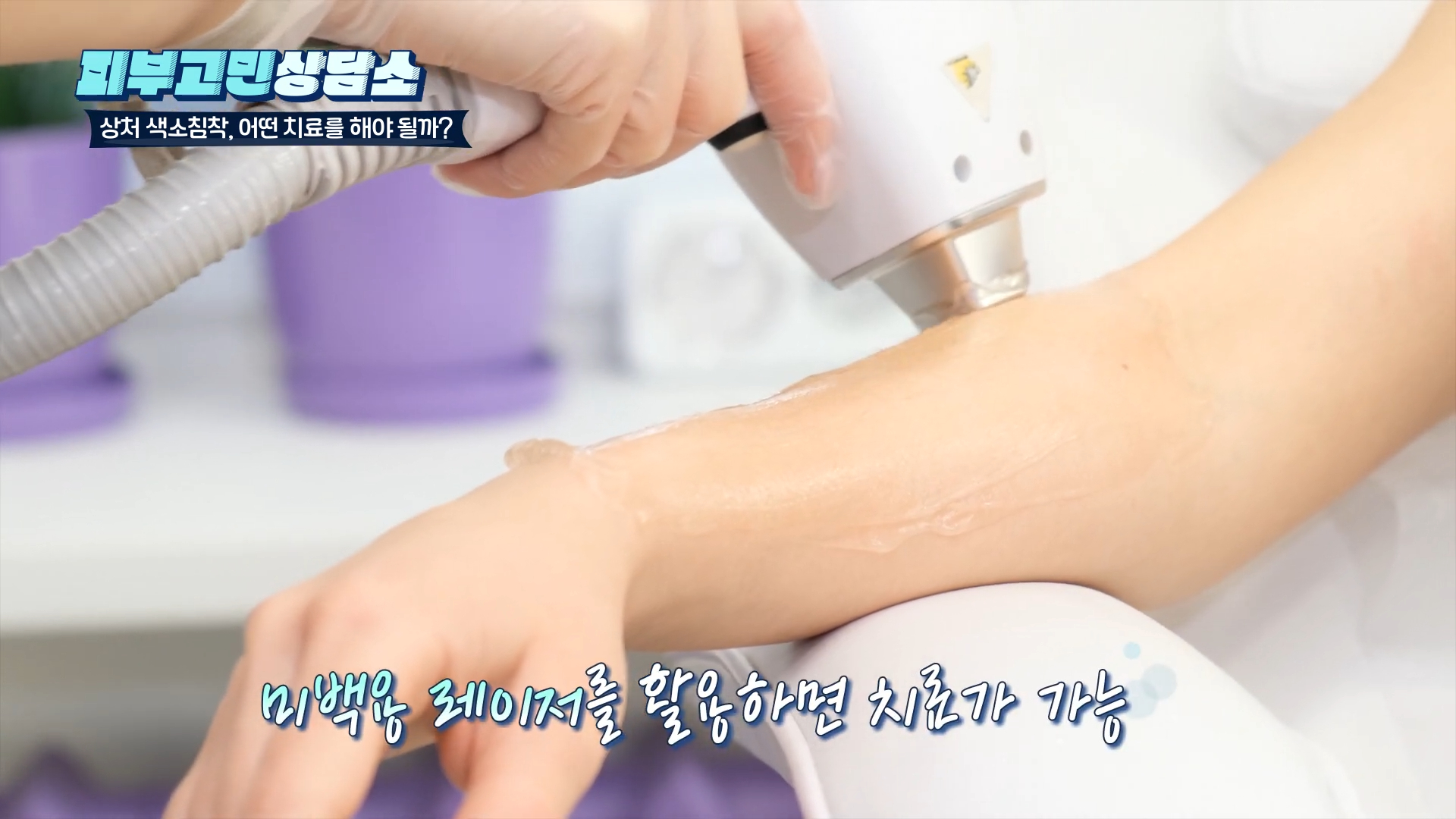
If redness has subsided over time but the dermis hasn't recovered, leaving a depressed mark or discoloration, the approach changes. In this case, Ultrapulse Alpha is used.
The CO₂ fractional wavelength delicately stimulates the damaged dermis, promoting new collagen production and skin remodeling. Fingernail scratches often leave narrow, deep linear marks, and the ability to adjust the treatment density and energy according to the scar's width and depth is advantageous here.
Keloids Raised Above the Skin — Combined Injections and Lasers
If there's a tendency for keloids, excessive collagen can accumulate at the injury site, causing the scar to rise, sometimes accompanied by itching or a pulling sensation.
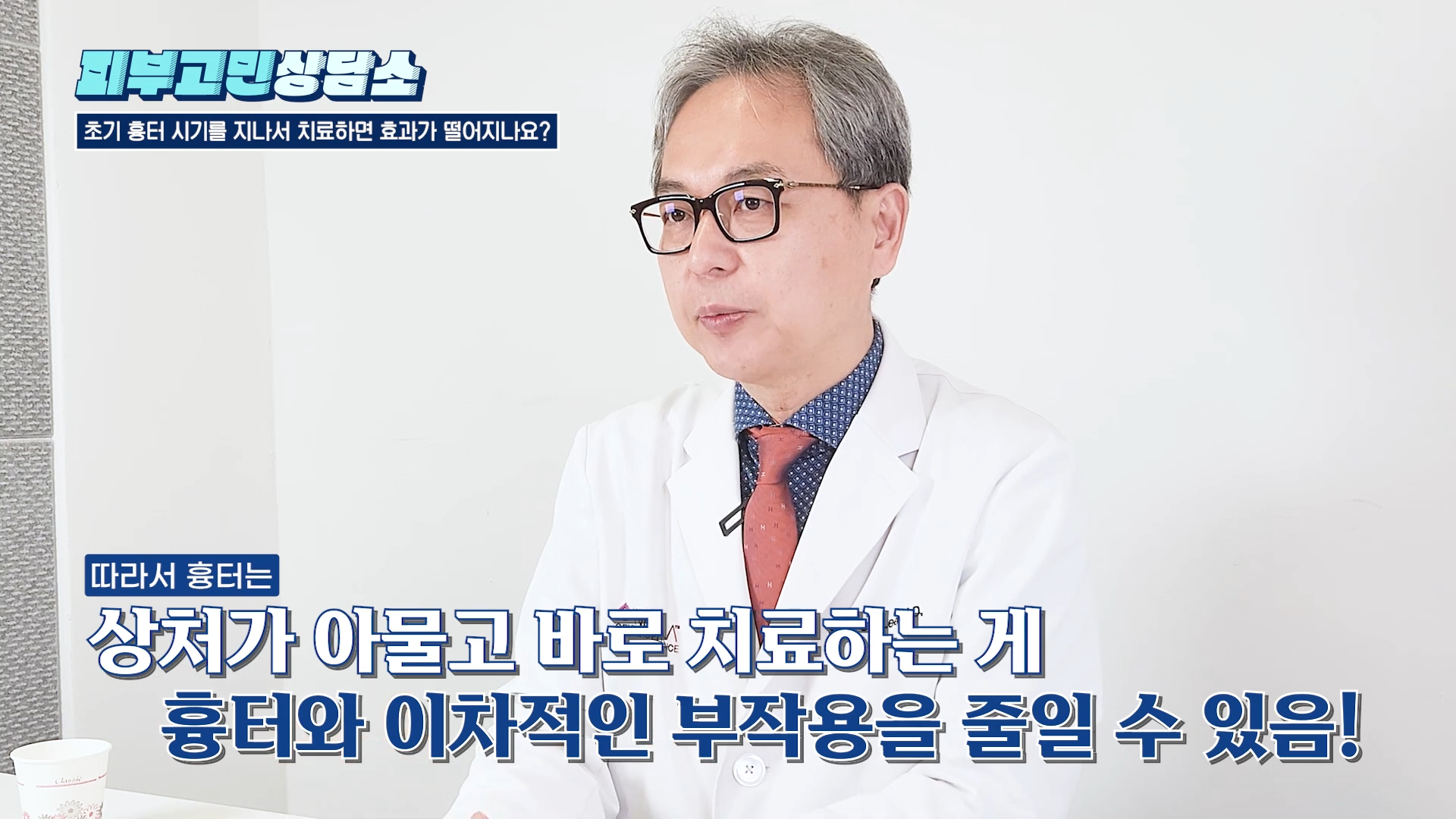
Already raised tissue has limitations in being flattened by laser alone. Therefore, intralesional steroid injections are used in conjunction. The injection suppresses excessive collagen production to alleviate the elevation, followed by vascular or regenerative lasers to refine any remaining redness and surface texture.
Keloids have a potential for recurrence, so it's safer to continue treatment while observing the progress rather than aiming for a single session.

Treatment Proceeds in Three Stages
1단계 · Scar Diagnosis
A dermatologist confirms when the scar occurred and whether it's currently red, depressed, or raised.
2단계 · Treatment Selection by Condition
For early red scars, Vbeam Prima is used; for old, depressed scars, Ultrapulse Alpha; and for keloids, intralesional injections are combined with lasers.
3단계 · Repeated Treatments and Progress Observation
The interval and method are adjusted based on the scar's response.
In Summary
Even small marks on the face are noticeable, leading many to wait for them to disappear naturally. However, the direction a scar takes is often determined in the first few weeks. Especially with keloids, it can be difficult to assess early on, so if a mark remains, it's better to have its condition checked. We recommend confirming your scar's stage through a consultation.
Author · Dr. Lee Sang-joo, Chief Director / Dermatologist As the chief director of Yonsei Star Dermatology Sinchon, Dr. Lee Sang-joo has extensive experience in scar treatment. He will serve as the president of the Korean Dermatological Association in 2026 and is an adjunct professor at the Department of Dermatology, Yonsei University College of Medicine. Detailed credentials can be found in the medical staff profile. · Last reviewed September 1, 2026
This article is intended for general medical information and the treatment methods and results may vary depending on the type and duration of the scar and individual skin condition. Please confirm an accurate diagnosis and treatment plan through a consultation with a dermatologist.