
![[Yonsei Star Dermatology Sinchon] Color Tattoo Removal: What are the Tricky Elements and Difficult Colors to Erase?](/_next/image?url=https%3A%2F%2Fagqdgbuateknhwpocrgu.supabase.co%2Fstorage%2Fv1%2Fobject%2Fpublic%2Fassets%2Fyonsei-star%2Fblog%2F224361887569%2F1.jpg&w=3840&q=75)

You've probably heard that color tattoo removal takes longer and is more difficult than black and white tattoos. It's not simply because there are more colors. The reason color tattoos are tricky is that each color absorbs laser light at a different wavelength.
Each color has a different absorption wavelength
The principle of laser tattoo removal is that light energy of a specific wavelength is absorbed by pigment particles, breaking down the ink into tiny fragments. Black ink absorbs most wavelengths evenly, showing high laser reactivity, but for color tattoos, each color absorbs different wavelengths, making it difficult to effectively treat all colors simultaneously with a single-wavelength laser.

Black and dark navy colors absorb most laser wavelengths well, making the procedure relatively easier. In contrast, bright, low-chroma colors like yellow, light green, green, and mint, or pastel shades, are considered the most difficult colors to remove.

These colors often reflect laser light instead of absorbing it, or they fail to absorb energy properly. As a result, existing single-wavelength lasers might have low removal efficacy, or pigment could remain even after multiple treatments. This is why cover-up tattoos, especially color cover-ups, are considered particularly challenging to remove.
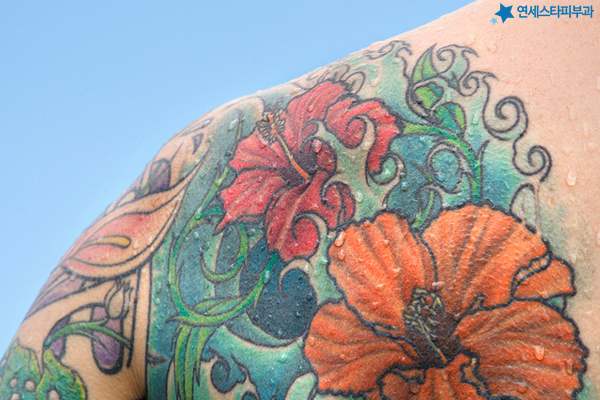
Five factors that make color tattoo removal difficult
- Color reflectivity and absorbency
Bright colors like yellow, green, and mint, or skin-toned colors, tend to reflect laser energy rather than absorb it effectively. This is a primary reason for lower removal efficiency.
- Ink concentration and pigment depth
The higher the ink concentration and the deeper the pigment penetrates into the dermis, the more difficult it is for the laser to reach effectively. If ink is layered multiple times, both the amount and depth of pigment increase, which can make color tattoo removal more challenging and recovery slower.


- Overlapping ink due to touch-ups or cover-ups
Cover-up tattoos, where a new tattoo is placed over an existing one, can temporarily hide the problem. However, the ink particles become more concentrated or deeply embedded, which is one of the reasons why color tattoos are difficult to remove. In such cases, the number of treatments and the duration can significantly increase.
- Characteristics of the treatment area
Areas where color tattoos are commonly placed, such as wrists, ankles, ribs, neck, fingers, and face, often have thin and sensitive skin. These areas may experience stronger pain during laser treatment or slower recovery, requiring a more cautious approach to the procedure design.
- Skin tone and melanin response
In darker skin tones, the melanin pigment in the skin can react excessively to the laser, potentially hindering the laser from reaching the ink pigment. There may also be an increased risk of side effects such as hyperpigmentation or hypopigmentation. While the difference is not extreme in Korean skin, if the skin is darkened due to tanning or UV exposure, treatment efficiency may decrease. It is advisable to proceed with the procedure after sufficient UV protection and care.
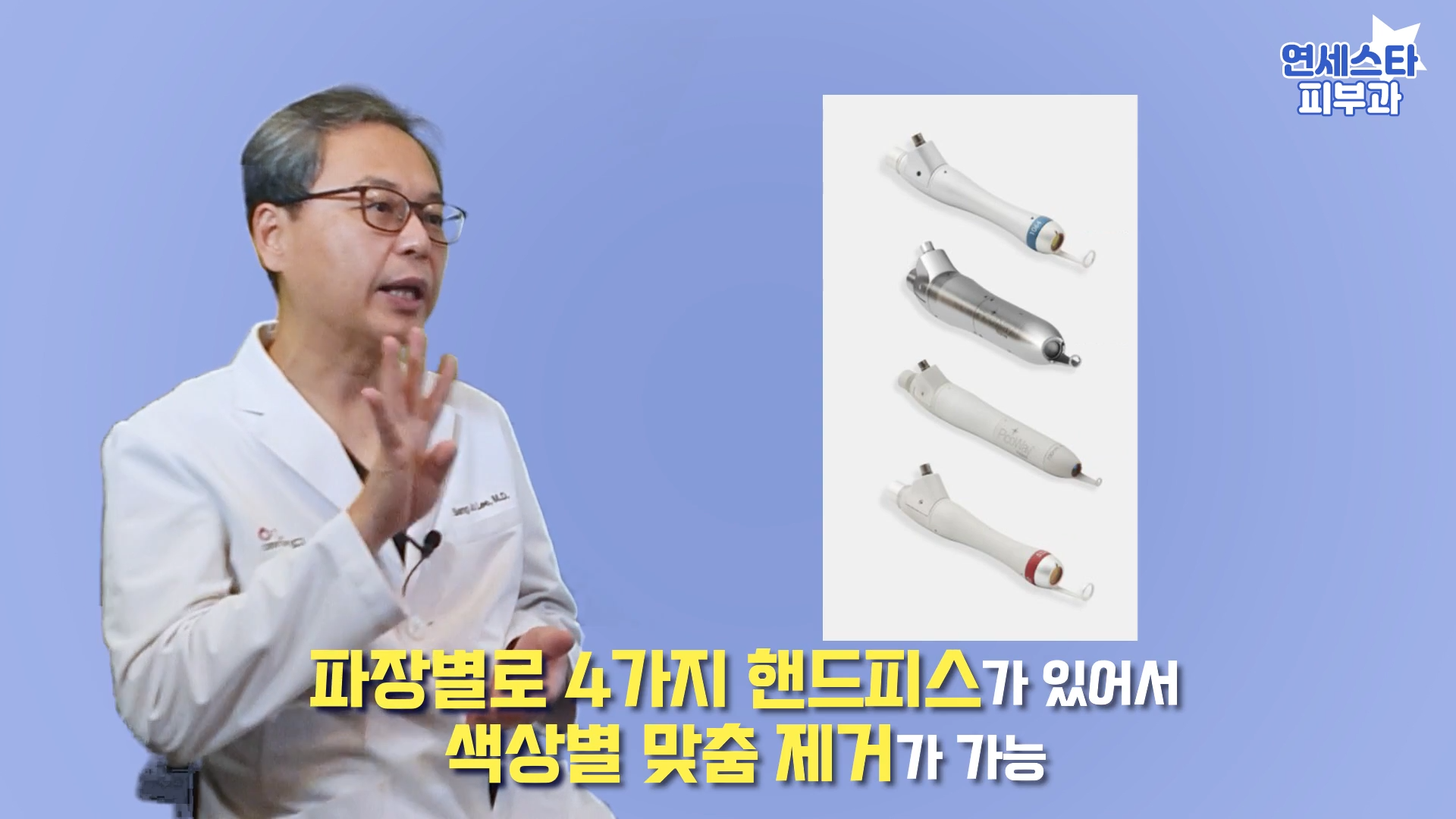
Why equipment is important
Equipment selection is particularly crucial for color tattoo removal. PicoWay supports a total of four different wavelengths—532nm, 730nm, 758nm, and 1064nm—allowing for an approach tailored to each color.
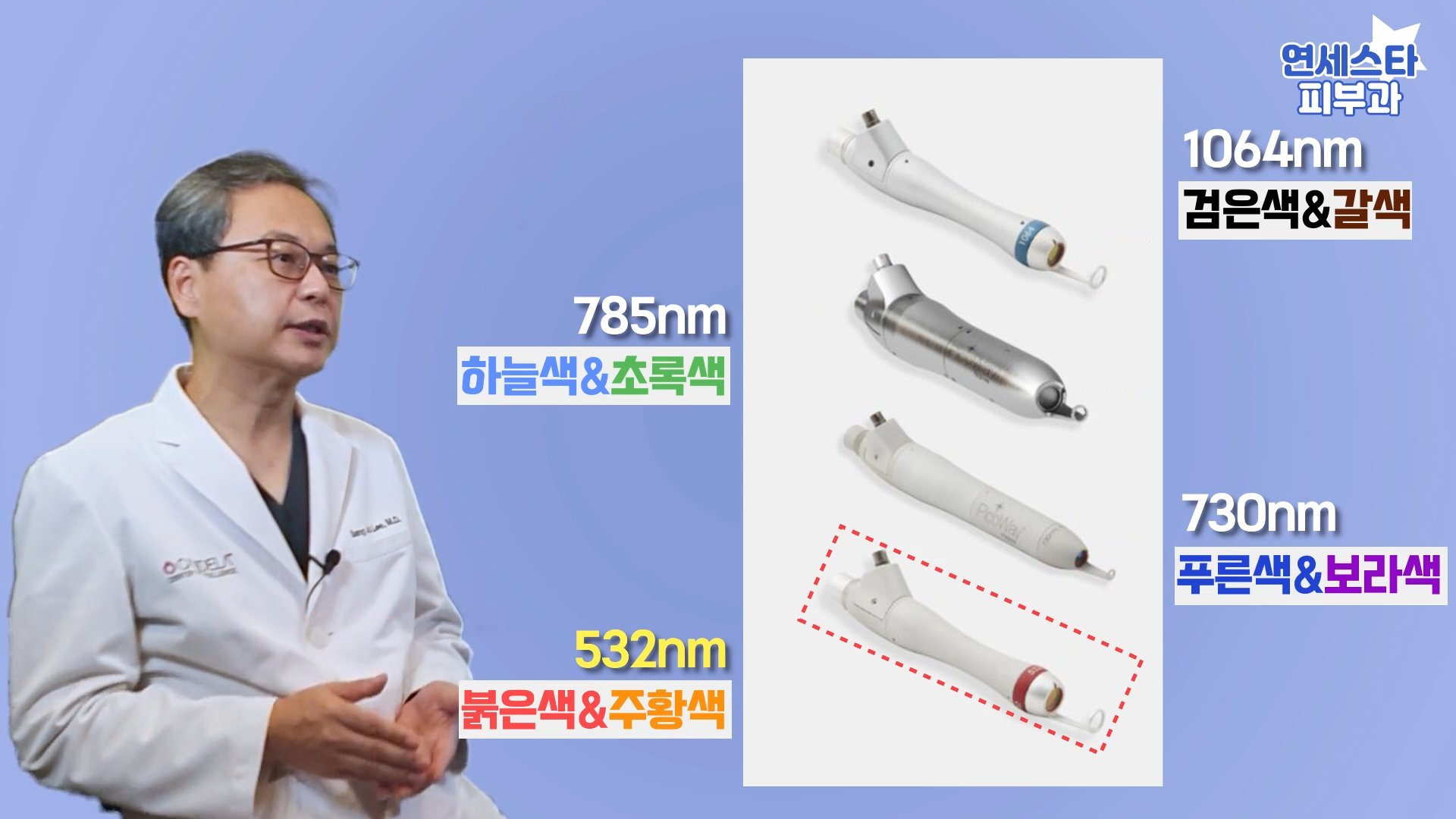
Laser tattoo removal is a representative and actively utilized method that shows good results. However, rather than disappearing in a short period, tattoo traces gradually fade over time, so patience and consistent care are paramount.
Especially if you are considering color tattoo removal with various mixed colors, it is necessary to carefully plan by comprehensively checking various factors such as equipment selection, the current state of the tattoo, and the treatment method for safer and cleaner removal. Therefore, we recommend starting safely after sufficient consultation with a dermatologist.

In summary
Since the approach varies depending on the color composition and depth, we first recommend a consultation to assess the tattoo's condition and plan the treatment.
Author · Chief Director Lee Sang-joo (Dermatologist) As the Chief Director of Yonsei Star Dermatology Sinchon, he has long specialized in pigment and scar treatments. He will serve as the President of the Korean Dermatological Association in 2026 and is an adjunct professor at the Department of Dermatology, Yonsei University College of Medicine. His clinical history can be found in his profile. · Last reviewed on August 6, 2026
This article provides general medical information. Treatment methods and results may vary depending on the condition of the color tattoo and individual skin characteristics. For an accurate diagnosis and treatment plan, please consult with a dermatologist.