
![[Yonsei Star Dermatology Sinchon] Can Old Scars Be Removed with Laser Treatment?](/_next/image?url=https%3A%2F%2Fagqdgbuateknhwpocrgu.supabase.co%2Fstorage%2Fv1%2Fobject%2Fpublic%2Fsources%2Fbbf3bebe-45b6-4415-bd04-bda18b2cac0f%2Fblog-images%2F224215297827_00_d1a3ca53ef72.jpg%3Ftype%3Dw966&w=3840&q=75)
As the season for lighter clothing and frequent outings approaches, many people feel a discomfort in a corner of their hearts due to old scars. The first question that comes to mind is often similar: "Can a scar that is already several years old be erased with a laser?" To answer directly, it is reported that even old scars can be expected to improve gradually, tailored to the condition of the tissue.
Why Do Old Scars Appear More Prominent?
Scars show unique changes over time. Initially, they may appear reddish, then gradually fade to white, often becoming raised or, conversely, sunken compared to the surrounding skin. When this happens, shadows form when natural light hits the scar surface, making it appear more prominent.
However, the problem is not just a simple color difference. Because the structure of the skin tissue itself has been deformed, it is not easy to conceal with makeup or skin-tone correction alone. This is why satisfaction is not high if the structural changes are not addressed together.
The key to scar improvement is not to cover the color, but to reorganize the structure of the deformed skin tissue.
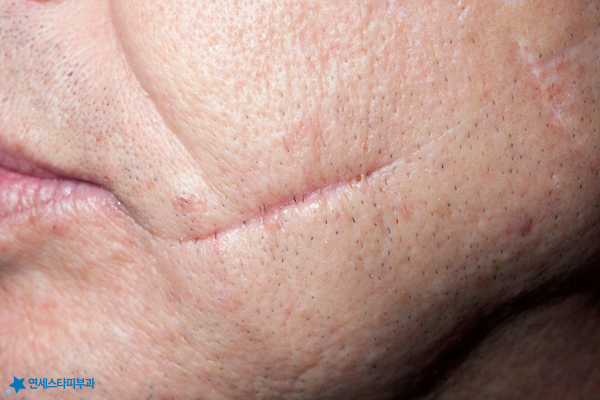
How Does Scar Laser Work?
Scar laser treatment approaches the improvement of existing scar tissue without leaving new marks. The core principle is to induce skin regeneration in the scar area with laser energy. It breaks down abnormally formed collagen and helps new, normal tissue to settle in.

Typically, CO₂ laser devices such as Ultrapulse Alpha and StarLux are used for scar treatment. In clinical practice, the device and irradiation method are often varied depending on the depth and shape of the scar.
Features of Ultrapulse Alpha
One of the notable devices in current scar laser treatment is Ultrapulse Alpha. The following features are reported:
- Precise irradiation range focuses on the scar area, reducing damage to surrounding healthy tissue.
- It simultaneously accesses the epidermis and dermis, treating the dermal layer which is the root of the scar.
- It induces collagen production through thermal stimulation, addressing both skin elasticity and tissue reconstruction.
- It is known to reduce the recovery burden compared to conventional CO₂ lasers.
If you are curious about these approaches and device-specific characteristics, you can find more information in Learn about Surgical Scar Revision.
For inquiries, Contact us for old scar laser consultation
Scars: The Sooner, The Better, But Never Too Late for Old Ones
Scars are most responsive within approximately 6 months of their formation, a period when the tissue is still flexible. During this time, improvement can be expected with relatively short treatment. However, many people realistically begin to worry years after this period has passed.
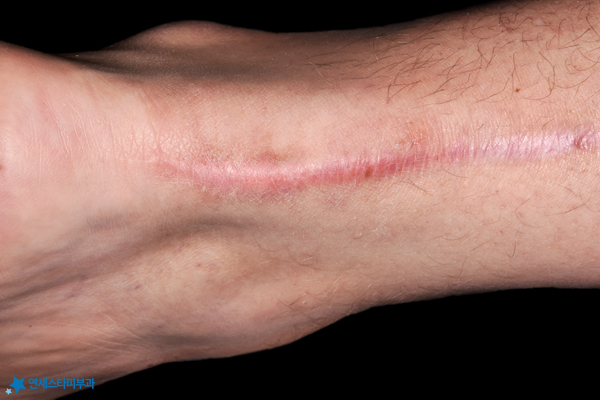
If you have hesitated with the thought, "It's already been years, is it still worth doing?", there's no need to give up on old scars. While it may take longer than initial treatment, gradual improvement leading to fading marks is reported.
| Category | Early Scar (within 6 months) | Old Scar |
|---|---|---|
| Tissue Condition | Relatively flexible | Hardened and rigid |
| Treatment Period | Relatively short | May require a longer period |
| Approach | Primarily regeneration induction | Combination of tissue breakdown and rearrangement |
Why Pinhole Technique is Used for Old Scars
PINHOLE TECHNIQUE is a treatment method used in conjunction with CO₂ laser devices such as Ultrapulse Alpha and StarLux. The principle is to create very small, precise micro-holes in the scar tissue to induce skin regeneration.
Old scars often have abnormally clumped and hardened collagen, making them less responsive to external stimuli. Pinhole Technique works by delivering direct physical stimulation with a laser beam to these hardened scar tissues, promoting collagen breakdown and rearrangement. If you are curious about the Pinhole method, referring to Learn about Mild Pinhole and Learn about Pinhole Alpha Treatment may be helpful.

Treatment Plans Vary by Scar Type
It is known that the sooner scar management begins, the better the recovery process. Therefore, it is recommended to start scar management, such as laser treatment, as early as possible. However, this does not mean there are no options for old scars.
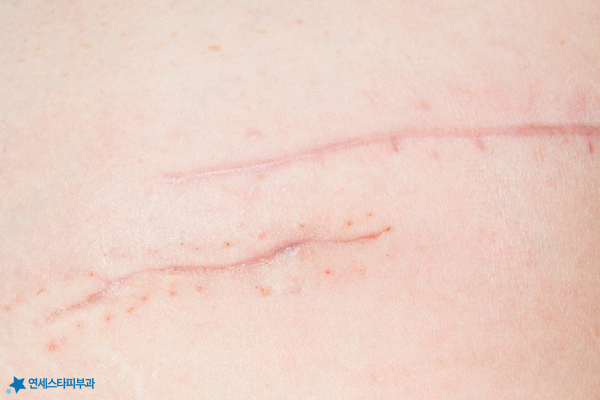
The treatment plan varies depending on the type, depth, and duration of the scar. Here are some items to check before management:
- Confirm the scar's shape: whether it is sunken or raised, and if pigmentation remains.
- Recall the time of injury and the elapsed period.
- Check if there is a tendency for keloid or hypertrophic growth.
- Examine if the area is frequently exposed to sunlight.
- Share any past scar management history if available.
If the mark is from surgery or a surgical procedure, Surgical Scar Information and Cosmetic Surgery Scar Information can help you understand your scar type. If it's a mark from a burn, Burn Scar Information can be helpful.
Old Scars: A Matter of Starting, Not Giving Up
If you have carried the burden of an old scar for a long time, please remember that there are now ways to address it. Scar treatment is a matter of starting, not giving up. The first step is to accurately assess the scar's condition and create a suitable plan.
For inquiries, Contact Yonsei Star Dermatology Sinchon for scar treatment consultation


Chief Director Lee Sang-Joo (MD, PhD, Yonsei University College of Medicine and Graduate School, completed dermatology residency at Severance Hospital, President of the Korean Dermatological Association) Chief Director Lee Sang-Joo's Profile First Published 2026-03-13 / Last Reviewed 2026-06-16 Scar recovery patterns may vary depending on individual skin conditions, so please confirm an accurate diagnosis and treatment direction through consultation with medical staff.