
![[Yonsei Star Dermatology Sinchon] Burn Scar Cream Effectiveness: Treatment Content by Burn Stage](/_next/image?url=https%3A%2F%2Fagqdgbuateknhwpocrgu.supabase.co%2Fstorage%2Fv1%2Fobject%2Fpublic%2Fsources%2Fbbf3bebe-45b6-4415-bd04-bda18b2cac0f%2Fblog-images%2F224071271047_00_c4e75a8d9723.jpg%3Ftype%3Dw966&w=3840&q=75)
It's more common than you might think to suffer burns from sudden accidents in daily life. Even minor burns can leave burn scars depending on subsequent care, and one question comes up most often: "Will burn scars really disappear with just scar cream from the pharmacy?" To answer directly, there are specific stages where creams or ointments can help, but beyond that scope, active treatment is necessary.
Burn Scars: How Far Can Creams Help?
Nowadays, many people perform first aid immediately after an accident and then manage it with over-the-counter ointments or creams. Scar creams and ointments are readily available at pharmacies or online, and for superficial damage at the epidermal level, they can heal relatively naturally at home.
The problem arises when the skin layers are damaged deeper than the epidermis. In such cases, simple treatment often isn't enough for a clean recovery, and many people seek medical attention belatedly.
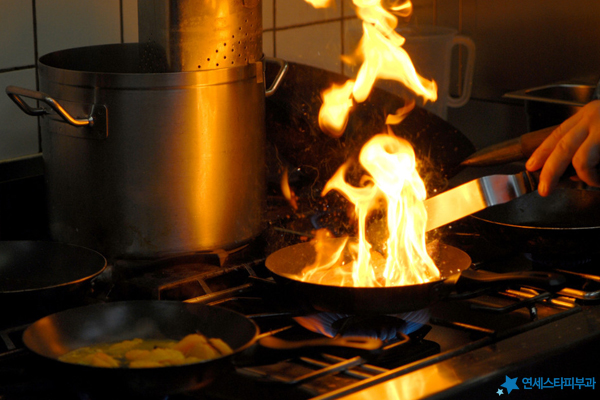
If you notice any of the following signs, it's wiser to consider a medical consultation rather than relying solely on cream:
- Redness that doesn't subside well over time
- Pain that persists for several days or worsens gradually
- Blisters (bullae) that form or burst
- Slow recovery accompanied by oozing
How Do 1st, 2nd, and 3rd Degree Burns Differ?
Burns are broadly classified into 1st, 2nd, and 3rd degrees based on the depth of damage. Each stage has different symptoms and risks of scarring, so understanding which category your burn falls into is the first step.
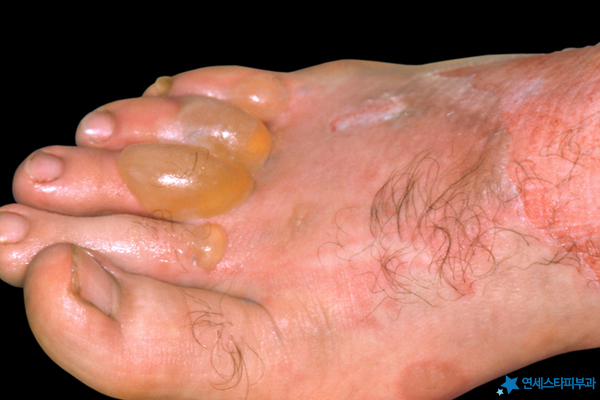
| Stage | Damage Extent | Typical Symptoms |
|---|---|---|
| 1st Degree Burn | Outermost epidermis | Skin is red, stings, and feels hot. Sunburn is typical. |
| 2nd Degree Burn | Partial dermis | Red, swollen, severe pain, accompanied by blisters and oozing. |
| 3rd Degree Burn | Entire dermis and subcutaneous tissue | Skin appears white, brown, or black; pain may be less due to nerve damage. |
1st-degree burns are a relatively mild stage where only the outermost layer of skin, the epidermis, is damaged. Sunburn, caused by prolonged sun exposure, is a typical example.
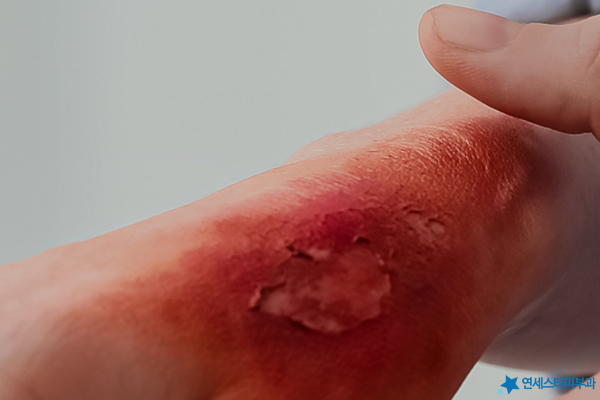
2nd-degree burns involve damage extending to part of the dermis. The skin becomes red and swollen, pain is severe, and blisters or oozing may occur. From this point, if blisters burst or pain doesn't subside, the likelihood of burn scars increases, requiring more meticulous treatment.
3rd-degree burns involve damage to the entire dermis and subcutaneous tissue, the deepest layers of the skin. In some cases, the damage can extend to muscles or bones, leading to significant scarring. The skin may appear white, brown, or blackened, and nerve damage might result in less pain, which should be recognized as a severe stage, not a mild one.
Why is Treatment Timing Important When Blisters Form?
The formation of blisters from a burn means that the skin's natural protective barrier has been compromised. In this state, the slower the recovery, the higher the chance of scarring, so managing it to heal as quickly as possible is key.
In the early stages of a burn, it's crucial to rapidly cool the affected area and ensure emergency measures are taken to prevent bacteria from entering the damaged site. This helps reduce additional damage or the progression to more significant skin problems.
It is reported that the scar improvement effect is more pronounced when two or more treatments are performed together than with a single treatment. Burn scars can have individual differences in results, so an approach tailored to the stage and condition is important.
If you are unsure about the burn stage and scar risk, it's best to start with a diagnosis. For questions, please use chat consultation regarding burn stages and scar risk.
Burn Scars: What Treatment to Consider for Each Stage?

If blisters have already formed (2nd-degree burn or higher), the likelihood of scarring is high, making it the right time to start active treatment. While many people manage urgently with silicone sheets or gel-form medications, to reduce burn scars from the outset, considering laser treatment appropriately can be an option. Vascular lasers like Vbeam Prima are reported to reduce burn scars by more than half.

For burn scars that heal with a raised hypertrophic response (e.g., keloid scars), a combined approach using Ultrapulse laser and injections can be considered. In clinical practice, for such thickened scars, a combined approach using Triamcinolone Scar Injection with laser often yields better results than single treatments.
If the scar is deeply set or skin texture damage is extensive, Surgical Scar Revision may also be considered. The appropriate method depends on the burn stage and scar condition, so it's best to decide based on a diagnosis.
Management Points to Observe During Recovery
This stage focuses on helping the burn-damaged skin return to normal. Consistently following these points can help reduce scarring:
- Maintain sufficient moisture to aid skin barrier recovery
- Meticulously block UV rays to prevent pigmentation
- Allow scabs to fall off naturally without forcibly removing them
- If redness or pain persists, seek medical attention instead of self-diagnosing
- Consistently continue treatment appropriate for the area and condition until the end
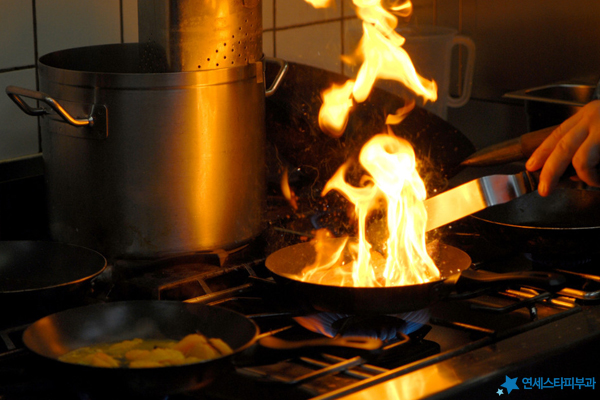
Burns can lead to wider and deeper scars over time, so starting treatment quickly in the early stages is advantageous. Especially for cosmetically sensitive areas like the face or lips, it's advisable to start treatment promptly if necessary to prevent burn scars from forming in the first place.
For Existing Burn Scars, Is Cream Alone Enough?

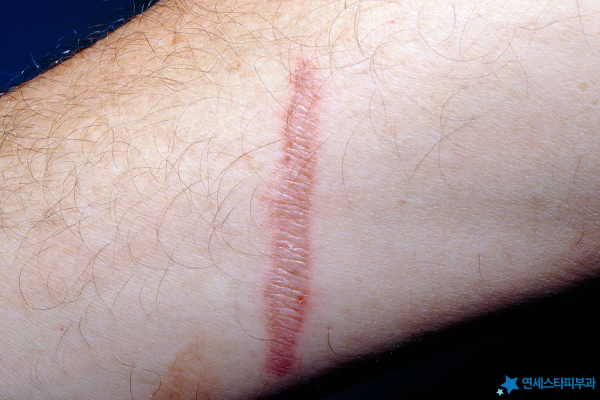
Scars from burns can severely damage skin texture and cause red, brown, or black pigmentation. When touched, they often feel wrinkled, making them a significant source of aesthetic stress.
Once a scar has formed, creams or ointments alone have clear limitations in improving it. It's necessary to choose a suitable laser and undergo consistent treatment, even if it takes some time, to begin management that promotes regeneration as close to normal skin as possible.
If you are concerned about how to treat existing burn scars, please use chat consultation regarding burn scar treatment methods to find the right approach for your condition.


Chief Director Lee Sang-joo (Yonsei University College of Medicine · Graduate School, Doctor of Medicine, Completed Dermatology Residency at Severance Hospital, President of the Korean Society for Dermatology)
Chief Director Lee Sang-joo's Profile
First published 2025-11-10 / Last reviewed 2026-06-16
This article is for general information purposes only. The stages of burns and scar progression can vary individually, and accurate diagnosis and treatment direction should be determined through consultation with medical staff.