

Self-harm scars (hesitation marks) remaining on the wrist often go beyond simple skin marks, becoming a burden on the mind. The first question that usually comes to mind is one: Can this scar fade? To answer directly, self-harm scars are reported to be improvable to a level that is not easily noticeable through a staged treatment centered on laser therapy.
Why is Self-Harm Scar Treatment Difficult?
Self-harm scar treatment is, in fact, a difficult topic to bring up. This is often because patients become withdrawn due to negative societal perceptions, missing the optimal treatment period.

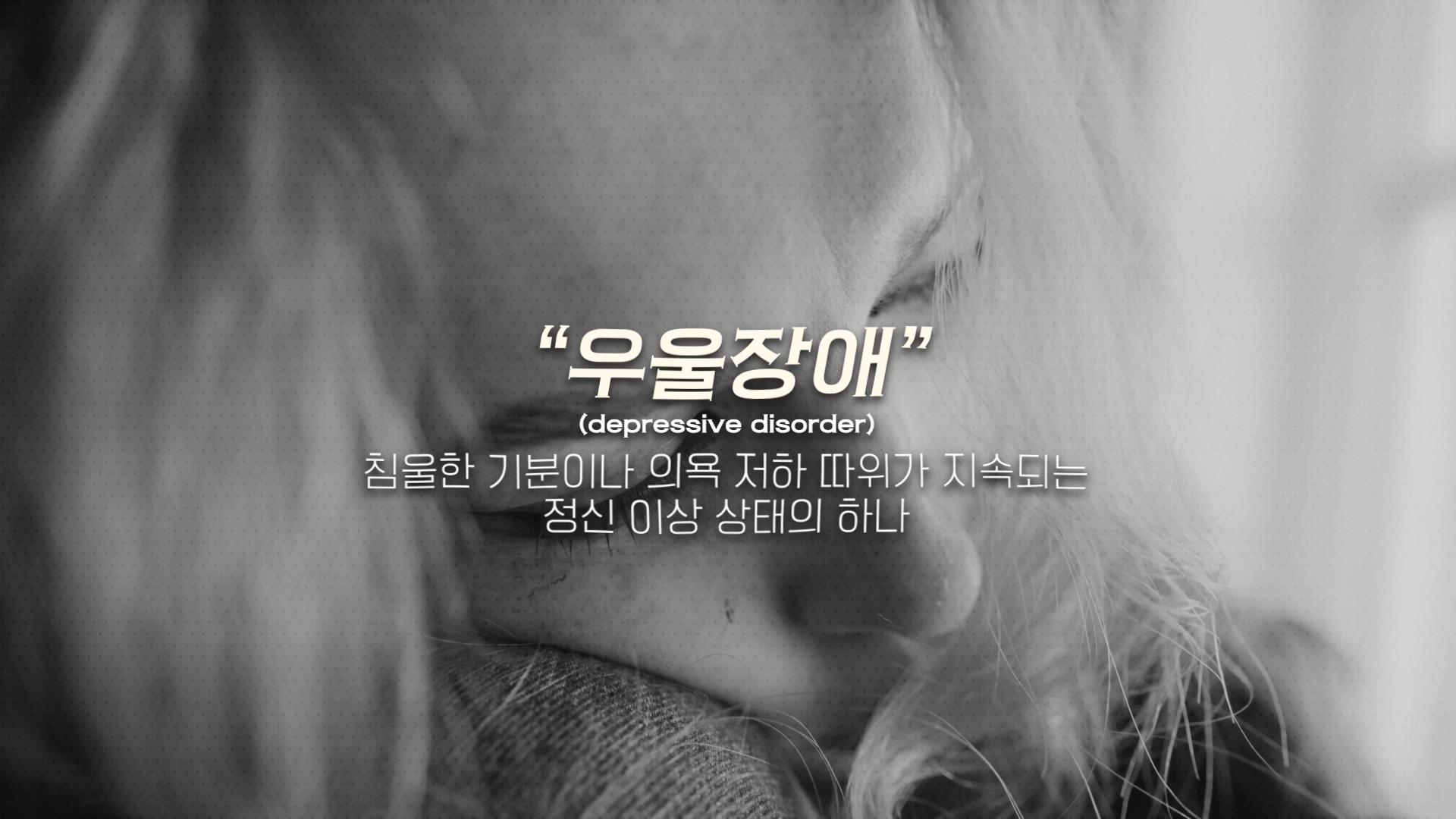
Self-harm scars, or hesitation marks, result from intentionally inflicting injury upon oneself during a state of depressive disorder, characterized by persistent low mood or lack of motivation. They primarily appear as linear lacerations on specific areas like the wrist, making them easily noticeable, and thus causing inconvenience in social life, making proper treatment important.
Characteristics of Wrist Self-Harm Scars
Wrist self-harm scars are characterized by multiple long, linear lacerations arranged horizontally, rather than just one. Slightly raised, long, linear white scars are the most common, and newer scars may appear reddish.
Since they can manifest differently depending on an individual's constitution, the treatment approach for self-harm scars varies even for the same type of scar.
- Slightly raised, white, old scars
- Relatively recent scars that still have a reddish tint
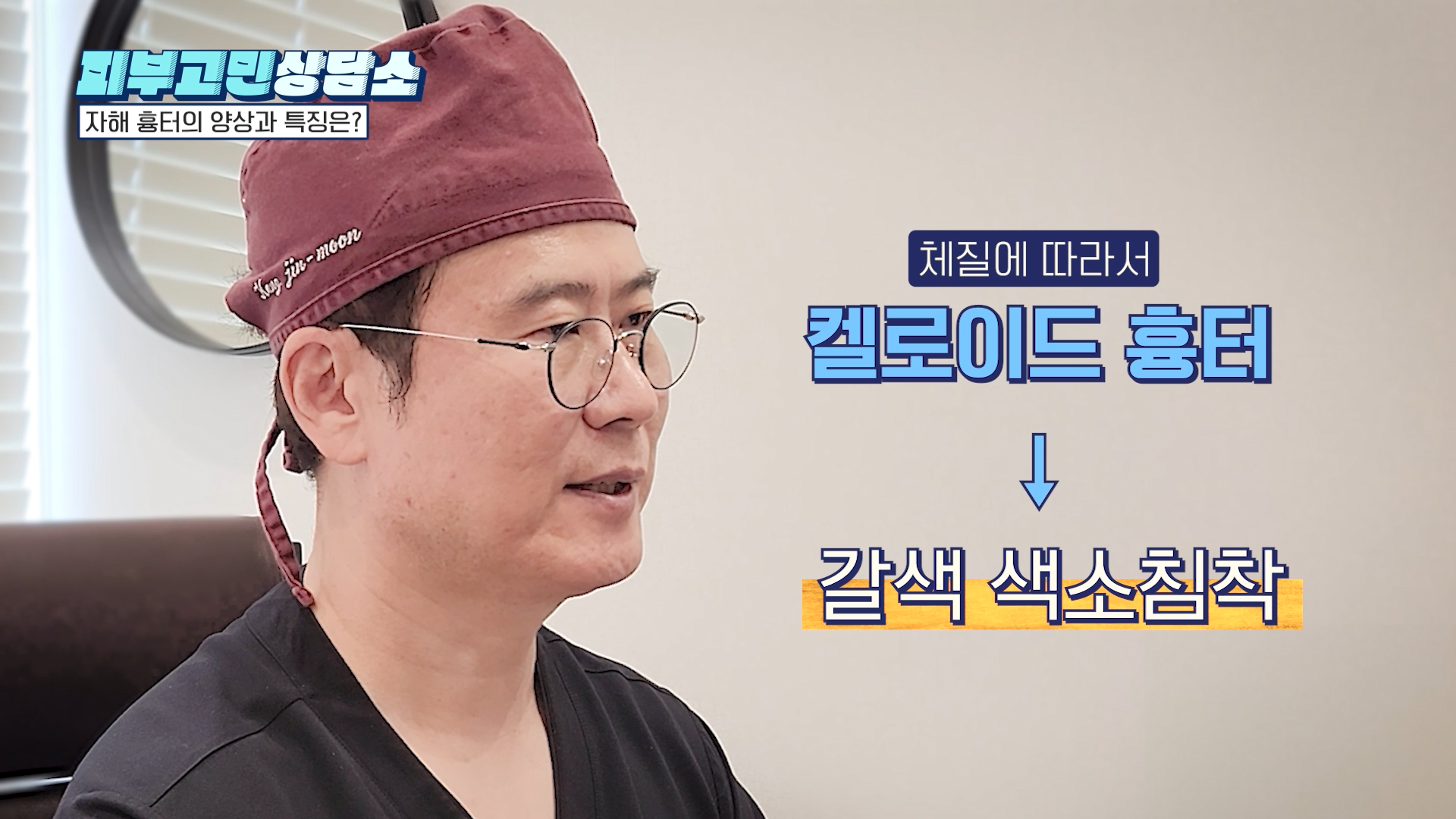
- Scars that have transformed into keloids or grown thick like keloid scars
- Scars accompanied by brown pigmentation
- Accumulated scars from deep damage where the skin was peeled away
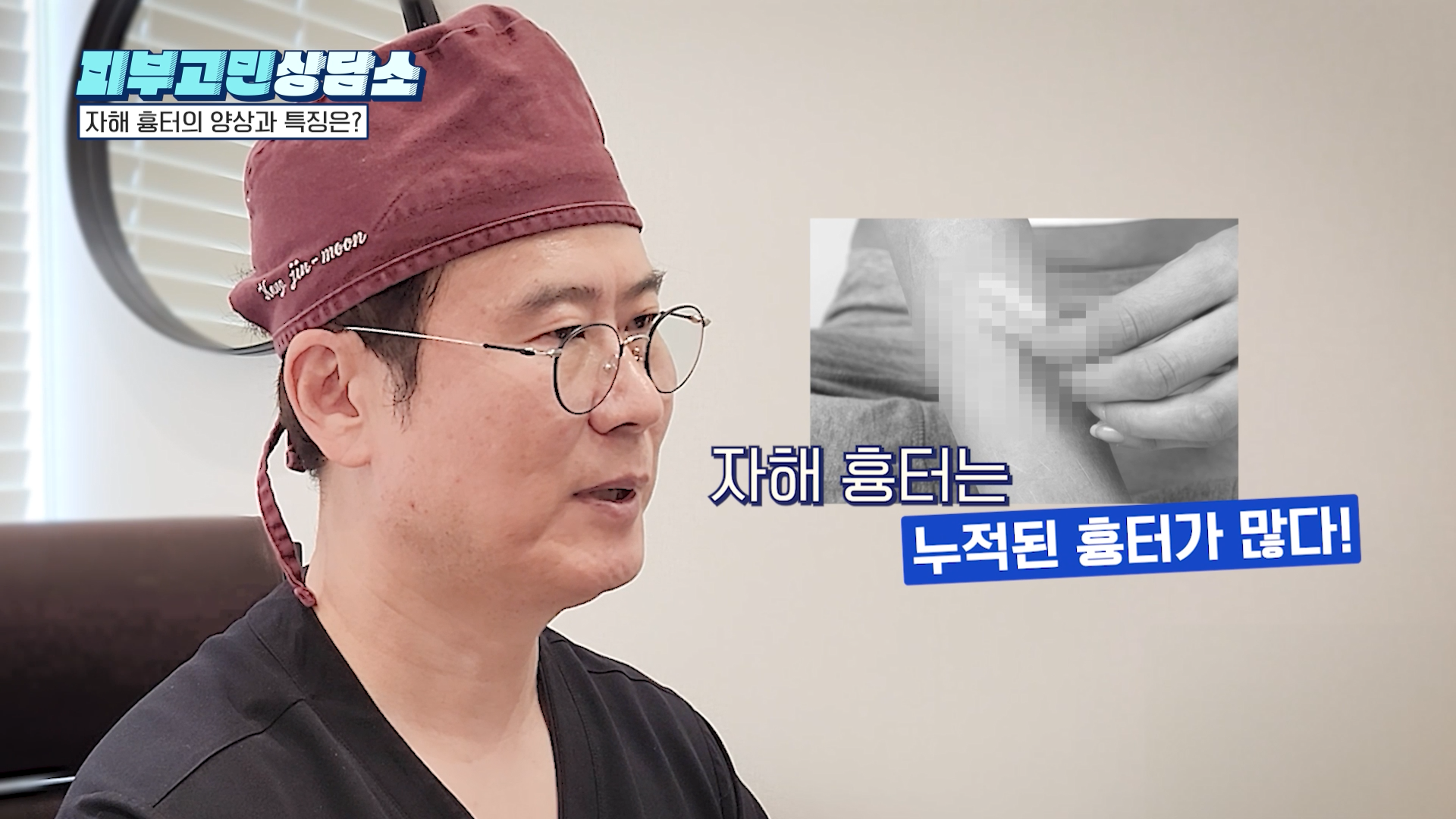
Another characteristic of self-harm scars is that they are often accumulated scars, unlike other types, as it is rare for self-harm to occur only once.
Who Seeks This Treatment?

As more adolescents experience depression due to various reasons such as academic stress, school violence, and peer relationship concerns, a significant number of young students visit with their parents for self-harm scar treatment.
In the examination room, the stage of emotional recovery often determines the starting point of treatment more than the depth or color of the scar itself.
What Methods Are Available for Self-Harm Scar Removal?
Methods for self-harm scar removal are broadly divided into two categories: surgical procedures and self-harm scar laser treatment.

Surgical methods include skin grafting or suturing. However, another scar may form during the surgical process, or the sutured area may widen and become unsightly, so in most cases, it is not very helpful unless ligaments or muscles are also damaged. For deeply indented scars, Surgical Scar Revision or Subcision may be considered as supplementary treatments.
Laser treatment is reported to be the fundamental treatment for self-harm scars.
Self-harm scar laser treatment works by creating microscopic wounds in the scar area with a laser, inducing the skin to regenerate.
Self-Harm Scar Lasers at Yonsei Star Dermatology Sinchon
Yonsei Star Dermatology Sinchon primarily uses self-harm scar removal lasers with strong regenerative capabilities, such as StarLux and Ultrapulse Encore lasers, for hesitation marks. Repeated treatments with these lasers are reported to gradually fade the scars, improving them to a level that is not easily noticeable after sufficient time.

The duration required for wrist self-harm scar treatment can vary significantly among individuals. It may take anywhere from several months to several years. Combining various treatment methods such as PicoWay Laser, Vbeam Prima, and Subcision, depending on the scar's shape and condition, is reported to lead to better results. If the scar is thick and raised, Triamcinolone Scar Injection may also be combined.
For any questions, please inquire via chat consultation for self-harm scar laser treatment
Management Points to Enhance Treatment Effectiveness
Self-harm scar treatment might seem simple based on its underlying principle. Therefore, even those with limited experience in scar treatment may attempt hesitation mark removal. However, just as seemingly simple things are often more difficult in reality, self-harm scar treatment is an area where experience and know-how are considerably important.
Here are some points to remember to enhance treatment effectiveness:
- Have patience and perseverance, as visible improvement may take a long time depending on the individual's condition.
- Understand in advance that even for one or two scars, treatment typically takes 1 to 2 years.
- Due to the risk of recurrence, combine psychiatric treatment with dermatological scar treatment.
- If pigmentation is present, combine daily care such as UV protection.
- Create a customized treatment plan tailored to the scar type, similar to cosmetic surgery scars.
Self-harm scar removal treatment requires a long time, so even if it's not urgent, we recommend starting treatment early to gently erase a gloomy past and prepare for a brighter future.
If you have further questions, please feel free to inquire below.
💬 Chat with us now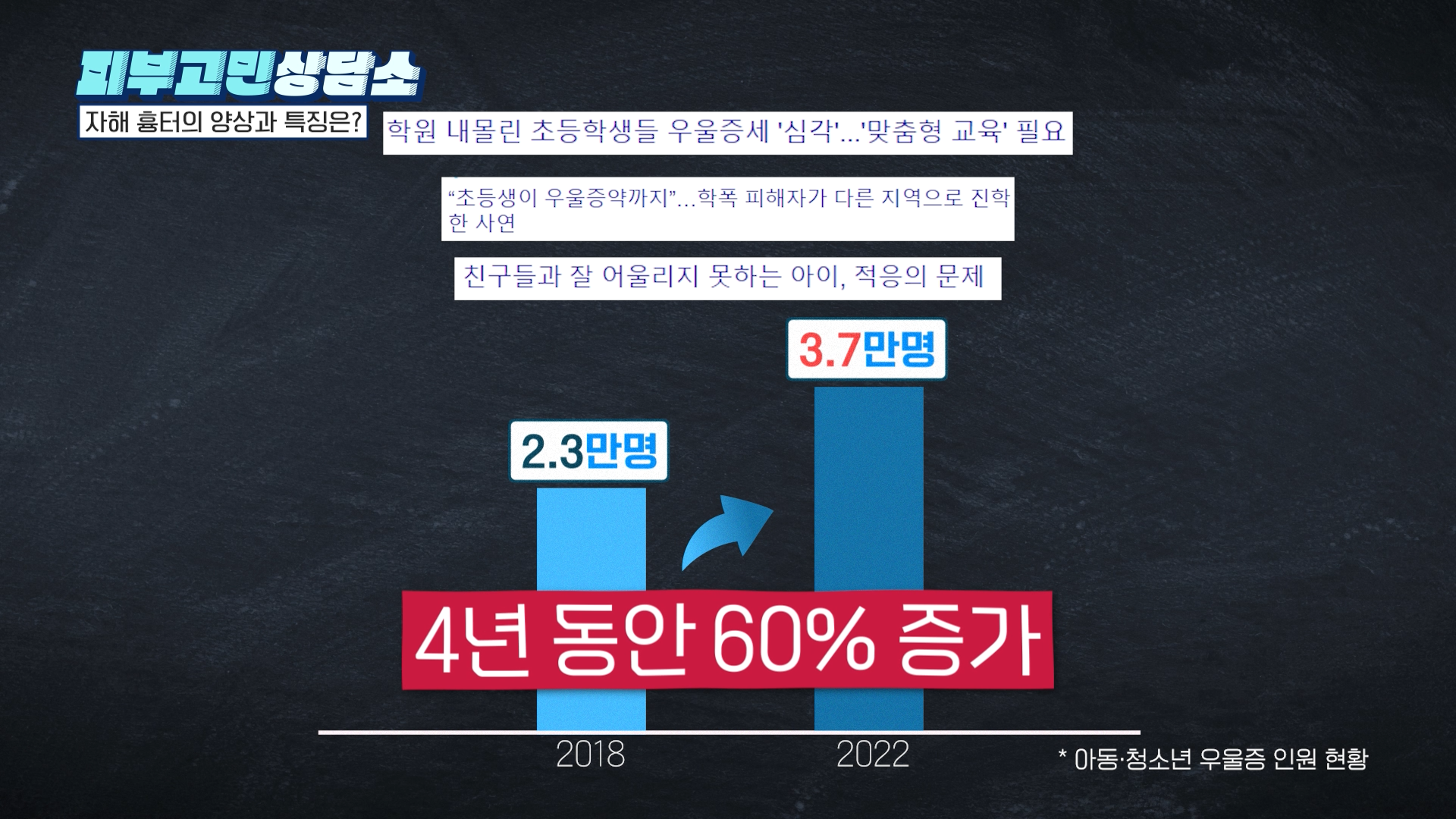
Chief Director Lee Sang-joo (MD, PhD, Yonsei University College of Medicine and Graduate School, Completed Dermatology Residency at Severance Hospital, President of the Korean Dermatological Association) Chief Director Lee Sang-joo's Profile First Published 2024-03-25 / Last Reviewed 2026-06-16 Treatment responses and recovery patterns may vary from person to person, so please ensure an accurate diagnosis and treatment plan are determined through consultation with medical staff.