
Browsing social media, you might come across tattoo removal ampoules. It's natural to be interested in claims of cheap and easy removal.
However, tattoo removal is not just about eliminating remaining ink; it's a process that directly affects the skin.
The Location of the Ink is the Problem
Tattoo ink is spread across multiple layers of the skin. Therefore, removal requires deep observation of the skin, and the skin's health must be protected throughout the procedure.
This is why a dermatology specialist who understands skin structure and can apply appropriate techniques is necessary.
Self-treatment, based solely on the idea of an easy method, can lead to skin damage, inflammation, and even scarring in severe cases.

Diagnosis Comes First
A dermatology specialist is an expert in diagnosing and treating skin-related diseases and problems. Before removal, the following are checked:
- Current skin condition
- Depth of the tattoo ink
- Type of ink used
Through such detailed diagnosis, the appropriate laser type for tattoo removal is selected, and a customized treatment plan is developed to suit the individual's skin condition.

Where the Two Methods Diverge
| Item | Ampoule Self-Treatment | Dermatology Laser |
|---|---|---|
| Access Depth | Primarily skin surface | Targets the layer where pigment resides |
| Control Factors | None | Wavelength, intensity, pulse duration |
| Risk Factors | Potential for damage, inflammation, scarring | Minimized damage through diagnosis-based control |
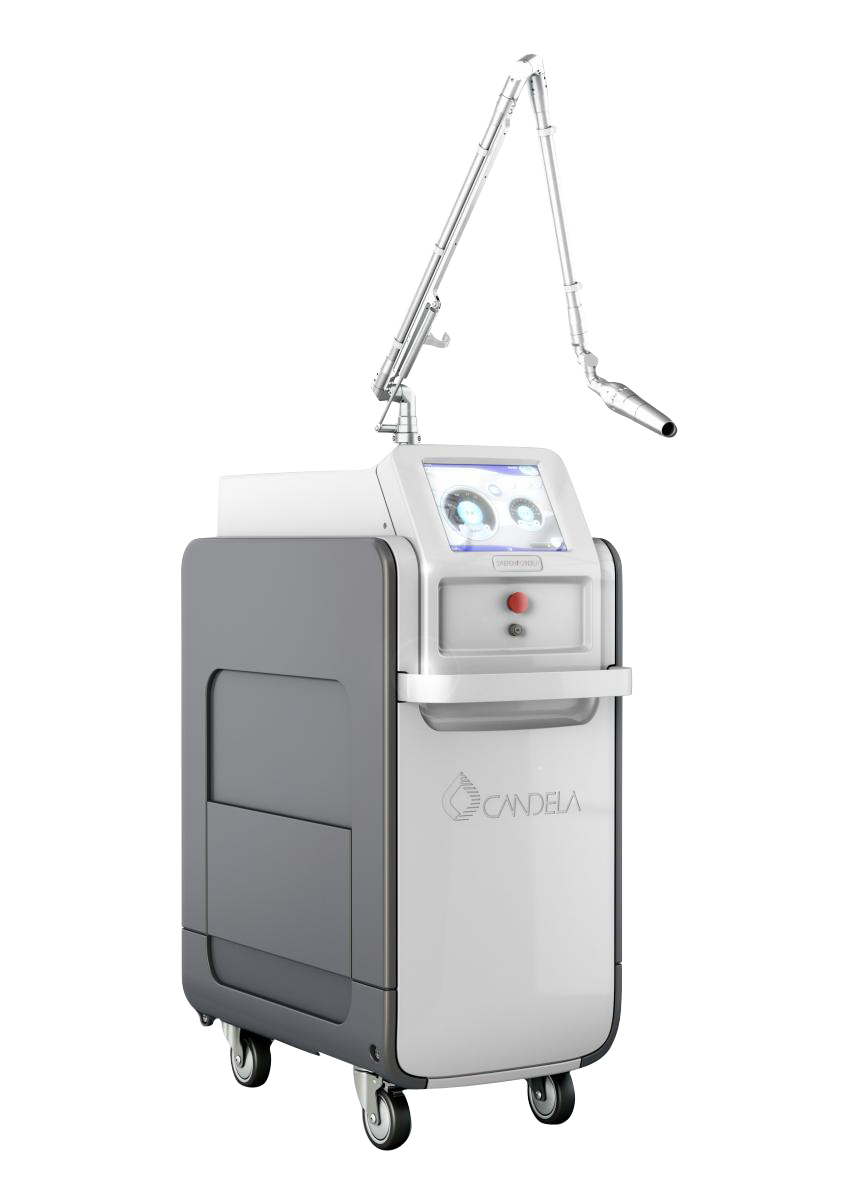
Lasers manage pigment while minimizing skin damage by adjusting wavelength, intensity, and duration. The equipment configuration is summarized in the R-Zero Pico-Frectat Tattoo Removal guide.
A Procedure That Doesn't End in One Session
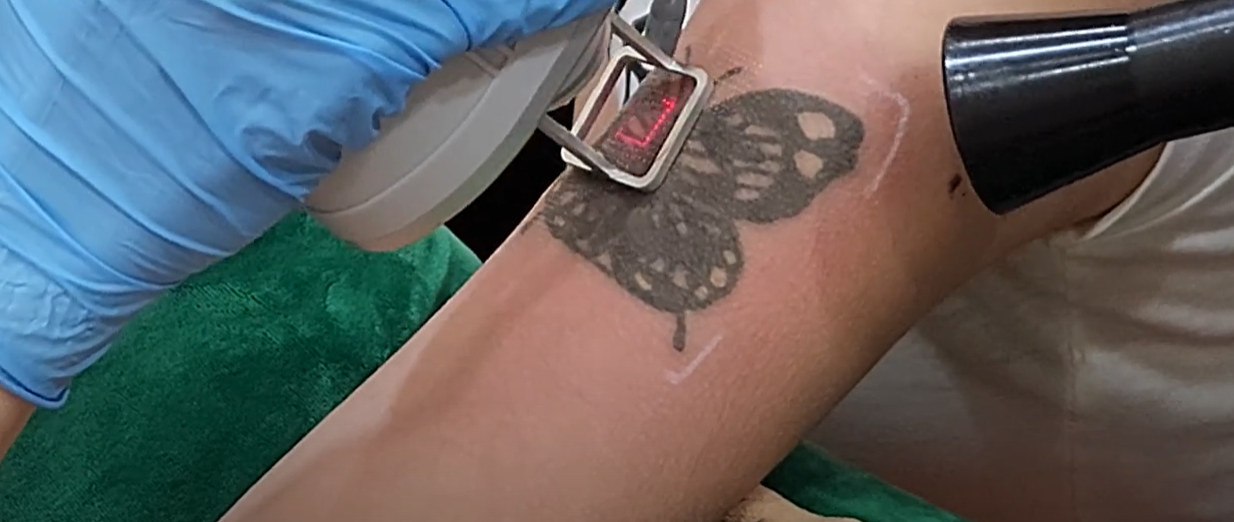
Tattoo removal is not a one-time procedure. It progresses gradually over several laser treatments, and post-treatment skin care is very important.
Any questions can be asked via Chat with us now.
The Final Stage to Aid Recovery
To assist skin regeneration, the Pinhole Technique using a CO2 laser may also be performed. This method creates small holes to induce collagen regeneration, also serving to prevent scars.
More details can be found in the Pinhole for Burn & Surgical Scar procedure guide.
Why Planning is Necessary
To remove a tattoo, rather than seeking cheap and easy methods, a meticulous plan that considers safety and potential after-effects is required.
We recommend undergoing the procedure at a dermatology clinic equipped with laser devices, professional knowledge, and experience in tattoo removal. The overall process can be checked in the Tattoo Removal Treatment Guide.

Authored · Medically Reviewed by Chief Director Dr. Lee Sang-Joo (Dermatology Specialist) Graduated from Yonsei University College of Medicine · Completed residency in Dermatology at Severance Hospital · Former Chief of Dermatology at National Police Hospital Author of Medical Skincare · Current Adjunct Professor, Department of Dermatology, Yonsei University College of Medicine View Medical Staff Profile
First Published 2025-05-28 · Last Reviewed 2026-07-29
This article contains general medical information and does not substitute for individual diagnosis and treatment. Results and recovery progress may vary by individual.