


Melasma, stretch marks, dark circles, scars, and existing tattoos. Some people consider flesh-colored cover-up tattoos to quickly hide unsightly marks.
These skin concerns can be improved to some extent with dermatological treatment. However, if you're considering a cover-up due to the burden of repeated treatments, we've compiled some points you might want to know before making a decision.
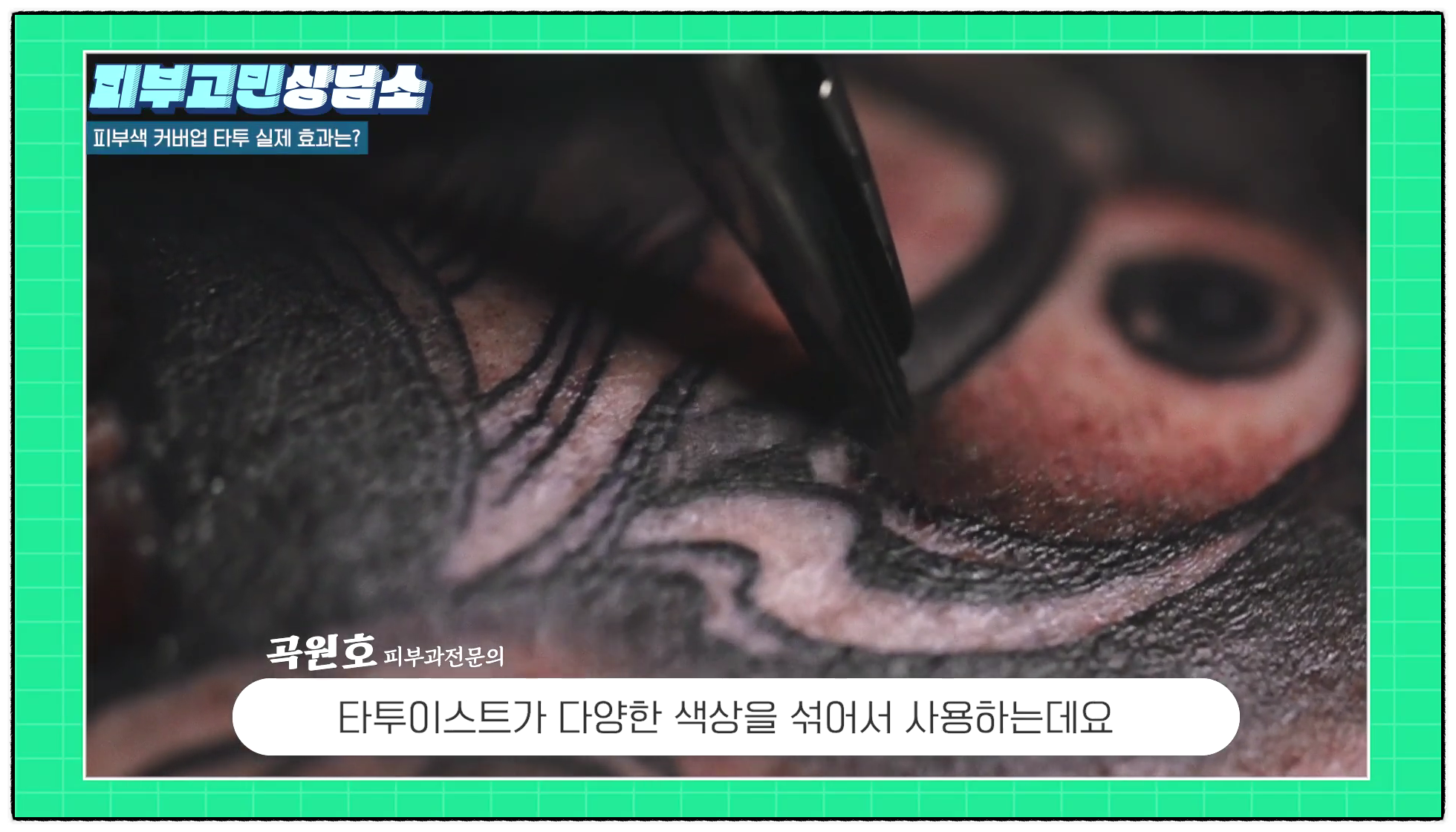
Matching skin tone with ink
When performing a flesh-colored cover-up tattoo, a tattoo artist mixes various colors to match the individual's skin tone as closely as possible.
However, after the procedure, there are cases where people are dissatisfied because it doesn't match their skin tone. Especially when covering an existing tattoo with flesh color, the flesh color often mixes with the underlying tattoo color, leading to blotchiness.

Conditions change with the seasons
Even if you received a cover-up from a highly skilled artist and achieved an unnoticeable result, problems may arise later.
Our skin tone changes slightly with the seasons. Since the ink remains the same while the surrounding skin changes, an area that was initially satisfactory may become noticeable over time.
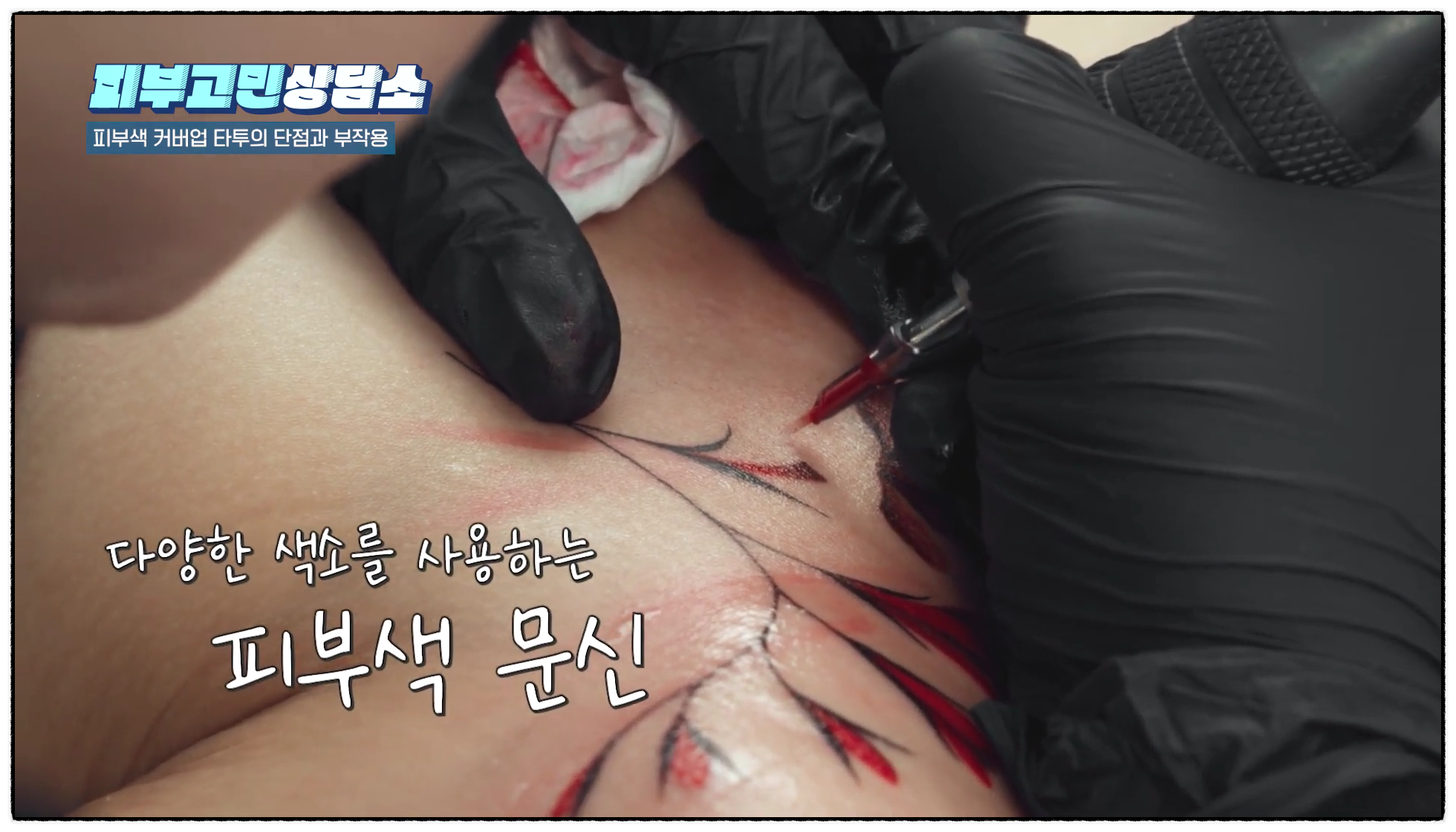
When mixing various pigments to match colors
Flesh-colored tattoos use several types of tattoo pigments to achieve similar colors. Some of these pigment substances may contain ingredients that can cause allergic reactions in certain skin types.

Colors that are much trickier to remove
Flesh colors are among the most difficult color tattoos to remove. You should also be aware of the changes that can occur during the removal process.
- The color may darken during the removal process.
- The pigment may turn green and become blotchy.
- Even with consistent treatment, dozens of sessions may be required.
- Complete removal may be difficult.
If you end up needing to treat skin concerns and remove a tattoo because of a procedure you had to cover something up, it will cost you double the time and expense.

When covered over an existing tattoo, it's pigment on top of pigment
If you've had a flesh-colored cover-up over an existing tattoo, it means pigment has been layered on top of more pigment. This requires a much longer time to remove.
In such cases, the R-Zero Technique, which originated in the United States, can be helpful. This method involves applying a special medication to eliminate the white bubbles that form during laser treatment, allowing up to 4 sessions at once.
| Situation | Removal Difficulty | Other Considerations |
|---|---|---|
| Single-color tattoo | Relatively low | Wavelength selection |
| Color tattoo | Varies by color | Wavelength suitable for the color |
| Flesh-colored cover-up | Relatively high | Session planning and observation of color changes |
| Cover-up over existing tattoo | Takes the longest | Combined R-Zero Technique |
You can see the procedure details in the R-Zero Pico-Frectat Tattoo Removal guide.


Think twice before deciding
Flesh-colored cover-up tattoos can sometimes lead to more problems than they solve. We recommend careful consideration before proceeding.
If you've already had one and regret it, it's better to consult with medical professionals who have extensive experience in treatment. If scars are also present, you can refer to the Pinhole for Burn & Surgical Scar guide, and the overall process is available in the Tattoo Removal Treatment guide. Individual results may vary.



Authored · Medically Reviewed by Dr. Jinmoon Kang, Chief Director (Dermatologist) Board-Certified Dermatologist · Graduated from Yonsei University College of Medicine · Dermatology Resident at Severance Hospital Former Professor at Bundang CHA Hospital · Current Adjunct Professor, Department of Dermatology, Yonsei University College of Medicine Member of the Korean Dermatological Association · Member of the Korean Association of Dermatologists View Medical Team Introduction
First Published 2025-03-14 · Last Reviewed 2026-07-29
This article contains general medical information and is not a substitute for individual diagnosis and treatment. Results and recovery progress may vary by individual.