

Red marks that remain after a wound has healed do not disappear on their own over time. If you let time pass, thinking, "Maybe it will fade if I wait a little longer," the scar will instead become firmly established. The final appearance of a scar can vary greatly depending on how it is managed in its early stages.
Scars are marks left after a wound heals
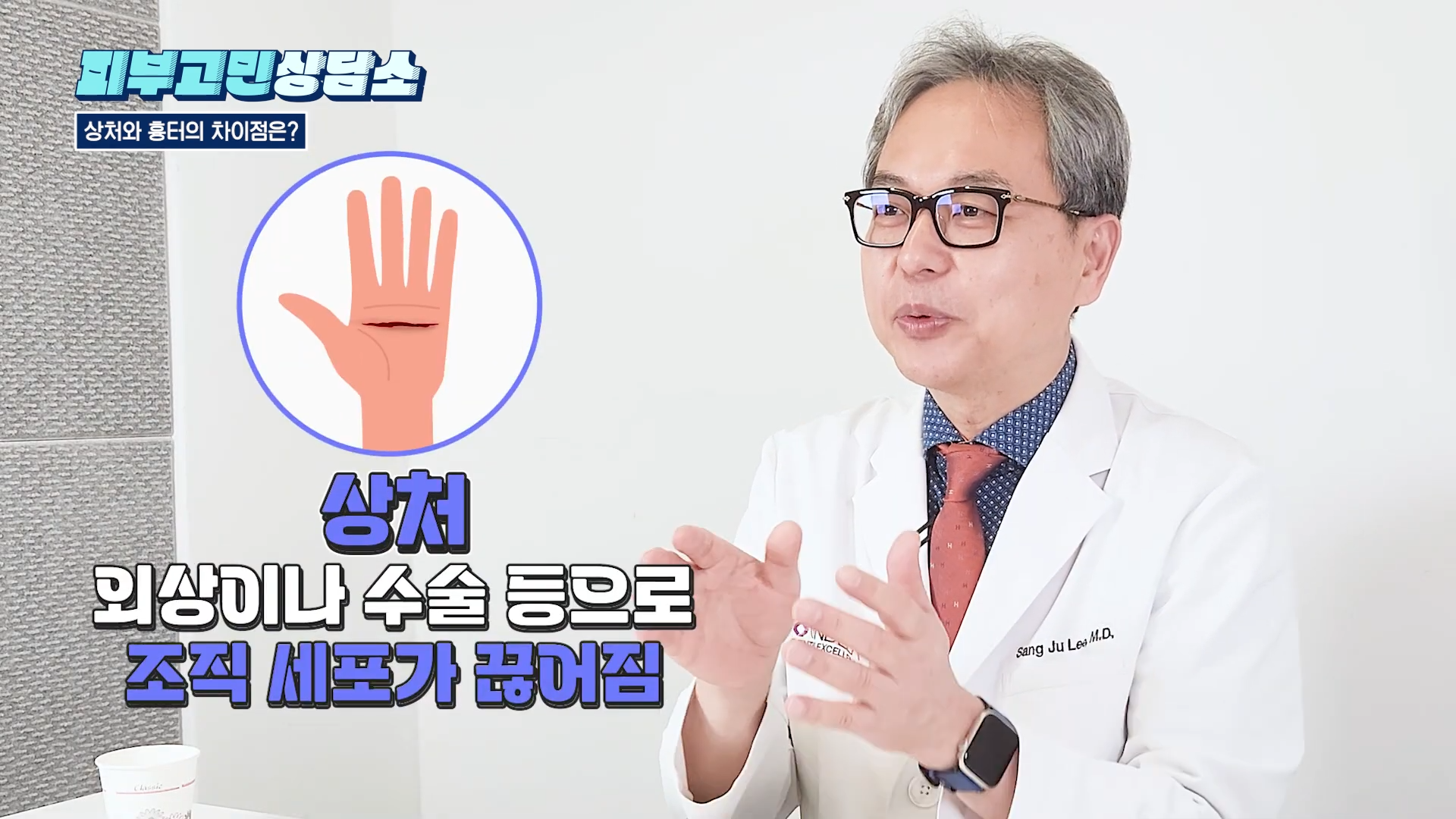
A wound refers to a state where skin tissue is damaged due to trauma or surgery. A scar is a mark left during the process of new skin filling in as the damaged skin heals. In summary, what remains after a wound heals is a scar.

The way skin recovers varies from person to person and from wound site to wound site. Even with wounds of the same depth, some heal with almost no trace, while others leave red or raised marks. Therefore, scarring is less a matter of "whether it occurs" and more a matter of "how it is managed in the early stages."
Early Scars, the Golden Time for Highest Treatment Effectiveness
The period from when a scab falls off and oozing stops, until the scar fully hardens, is called the early scar, or Pre-scar stage. This period is usually within 2 weeks to 6 months after the wound occurs, and is considered the golden time for the highest effectiveness in scar prevention and improvement.


If this period is missed, scar cells can harden, requiring more time and cost for treatment, and increasing the likelihood of remaining marks that may not be completely removed. If it's an early scar with redness, the approach may differ depending on the type, such as Red Acne Scar or Cosmetic Surgery Scar, so it's important to first identify the stage.

The most important principle in scar management is "early and proper." As time passes, scars harden, and treatment becomes more difficult.
Is Ointment Alone Sufficient?

Many people try to resolve scars by consistently applying scar ointment. Scar ointment can be helpful for supplementary management, but its effectiveness has limitations. Scar management using only ointments or tapes often results in only about 5% improvement, and it is known to have little effect on hyperpigmentation or thickened scars.
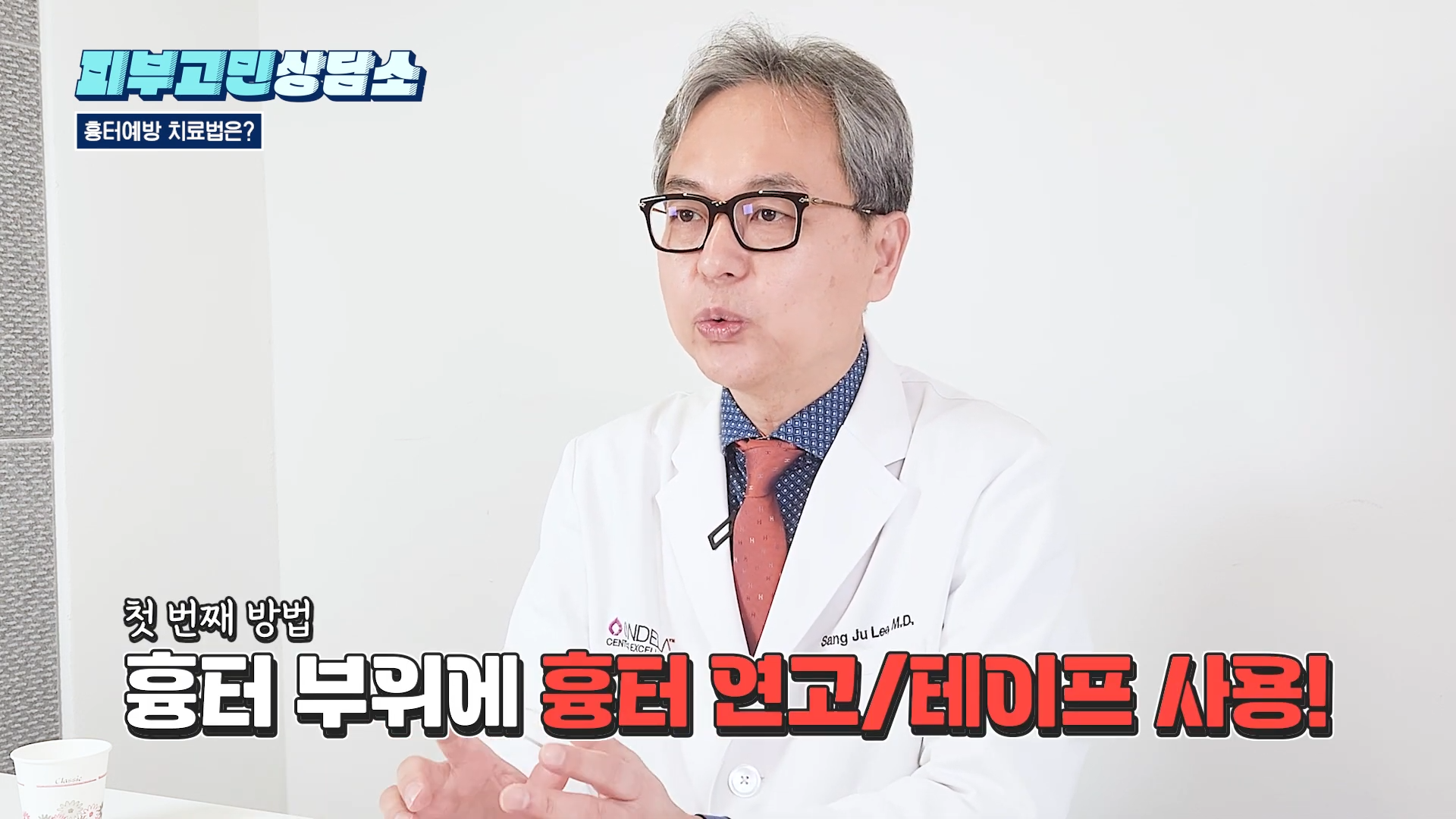
Supplementary care that can be done at home is summarized as follows:
- Do not forcibly remove scabs; let them fall off naturally.
- Consistently apply ointment or scar tape to areas where oozing and scabs have cleared.
- Reduce UV exposure to prevent hyperpigmentation from darkening.
- If redness persists or scars thicken, defer self-diagnosis and have the condition checked by a dermatologist.

While such supplementary care is certainly meaningful, it is often insufficient to reverse the color or thickness of scars that have already begun to establish themselves. For questions, inquire via chat consultation about early scar management.
Why Scar Lasers Are Emphasized

Scar laser treatment directly targets the transformed tissue that needs treatment, so a higher improvement effect can be expected compared to ointments. Especially when vascular laser treatment like Vbeam Prima is started early, before the scar hardens, it can help suppress excessive proliferation of scar cells and promote the skin's natural regeneration.

Ointments and lasers have different roles. The difference becomes clear when summarized in the table below.
| Management Method | Mechanism of Action | Suitable Situation |
|---|---|---|
| Scar ointment, tape | Surface moisturizing and protection, supplementary care | Early supplementary care, minor marks |
| Scar laser | Directly targets transformed tissue | Scars with redness, thickness, pigmentation |
For scars with prominent redness, a combined approach tailored to the stage and condition, such as V-beam Vascular Lesion Treatment or Triamcinolone Scar Injection customized for the scar condition, may be helpful.
Why the Same Laser Can Yield Different Results

Even with the same laser, results can vary depending on the usage method and the practitioner's experience. It's not just about irradiating the necessary area with a laser; the judgment to select equipment and adjust intensity according to the condition and progress determines the outcome.
In the examination room, even scars that appear similar often differ in color, thickness, extent, and time of occurrence, making it difficult to group them under the same prescription. Therefore, dermatologists comprehensively assess the scar's color, thickness, extent, and time of occurrence to determine the treatment direction.

Improper management during the early scar stage can actually make scars more prominent. Therefore, "starting appropriately for the condition" is as important as "starting early."
Don't Delay, Check Early
Natural skin recovery has its limits. As time passes, scars harden, and subsequent treatment becomes more difficult and prolonged. Since ointment management at home alone cannot resolve all situations, checking the scar condition with a dermatologist immediately after the scab falls off and planning appropriate scar laser treatment can make a significant difference in the outcome.
We recommend consulting with a specialist without delay. It is reported that the earlier the scar, the better the treatment results. If you don't give up and check thoroughly, the possibility of returning to cleaner skin increases. If the scar type and timing are ambiguous, you may want to refer to related symptom information such as Acne Scar before scheduling a consultation.
💬 Consult Now
Chief Director Lee Sang-joo (MD, PhD, Yonsei University College of Medicine and Graduate School, completed dermatology residency at Severance Hospital, President of the Korean Dermatological Association) Chief Director Lee Sang-joo's Profile First published 2026-05-12 / Last reviewed 2026-06-16
This article is for general information purposes only. The course of scars and treatment response may vary individually, and accurate diagnosis and treatment direction should be confirmed through consultation with medical staff.